Must-Try Georgian Dishes
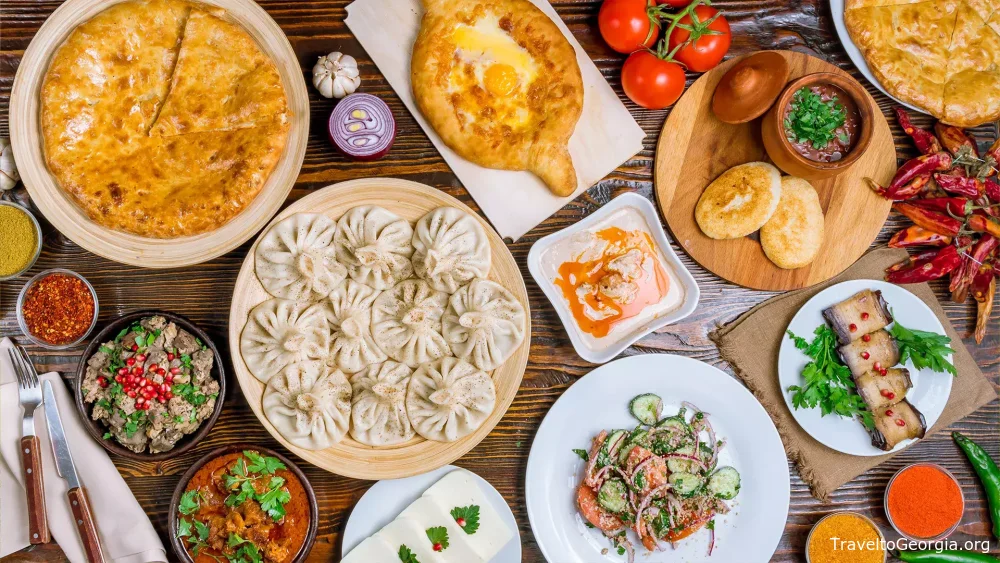
Every great city tells its story through food, and Tbilisi is no exception. Georgian cuisine reflects centuries of history, migration, and creativity — a flavorful union of East and West. Over time, the capital has absorbed dishes from every region and neighboring culture, reinventing them in its own way. What you taste in Tbilisi today is not just food, but a mosaic of Georgia’s identity — vibrant, aromatic, and unforgettable.
Chakhokhbili (ჩახოხბილი)
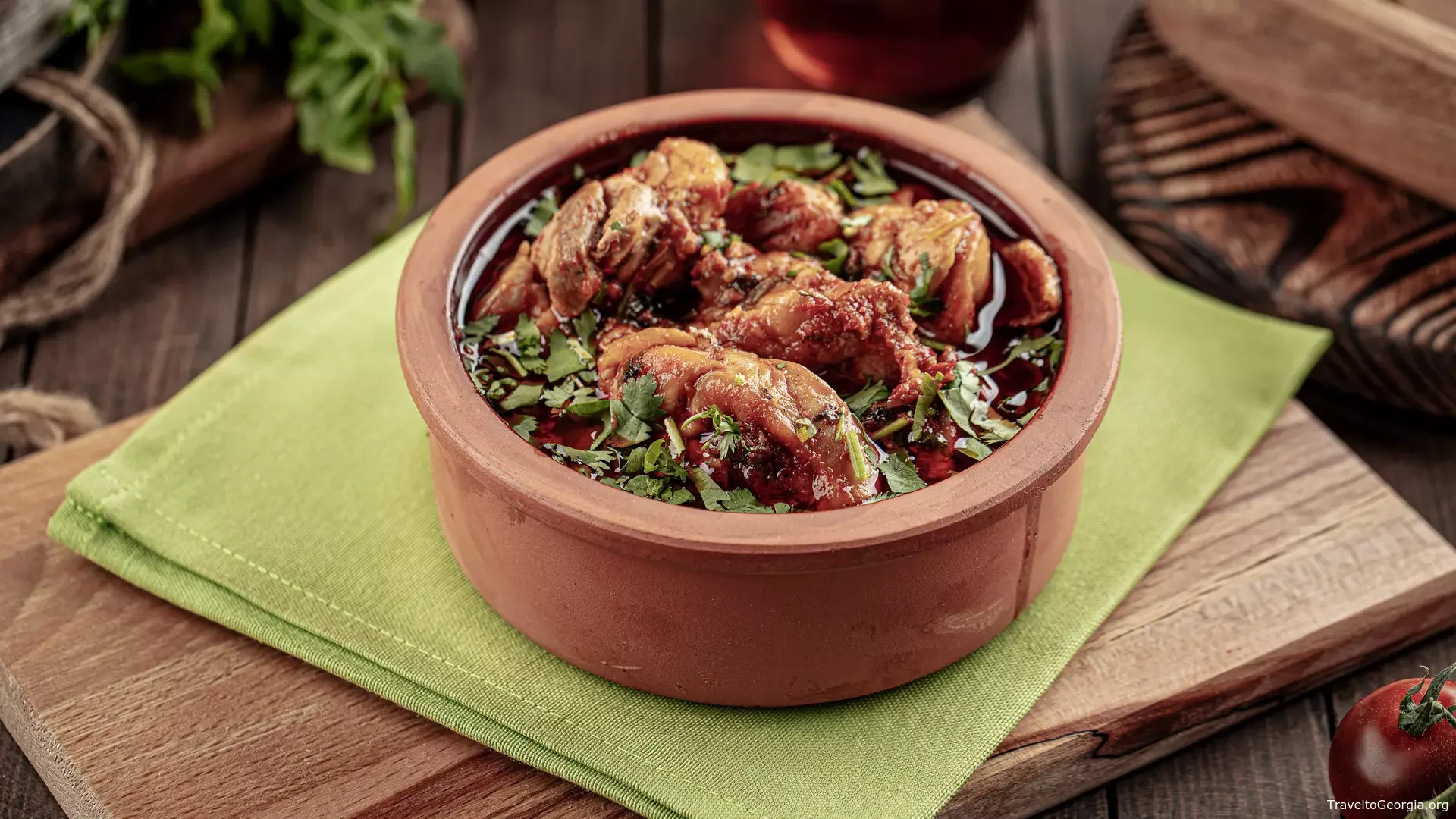
Among Georgia’s iconic dishes, chakhokhbili stands out as a comforting classic. Traditionally made only with poultry, this stew begins by slowly roasting the meat in its own fat and juices until tender. Then, a medley of tomatoes, onions, and herbs is added, creating a rich, flavorful broth. The result is a dish that feels both rustic and refined — hearty yet delicate.
The name chakhokhbili is tied to an old legend about the founding of Tbilisi. King Vakhtang Gorgasali, while hunting, shot a pheasant (khokhobi) that fell into a hot spring and was cooked by the water’s heat. Impressed by this miracle, the king decided to build a city there and named it “Tbilisi,” from tbili, meaning “warm.” It’s said that chakhokhbili was named in honor of that same pheasant — a symbol of Tbilisi’s beginnings.
Ajapsandali (აჯაფსანდალი)
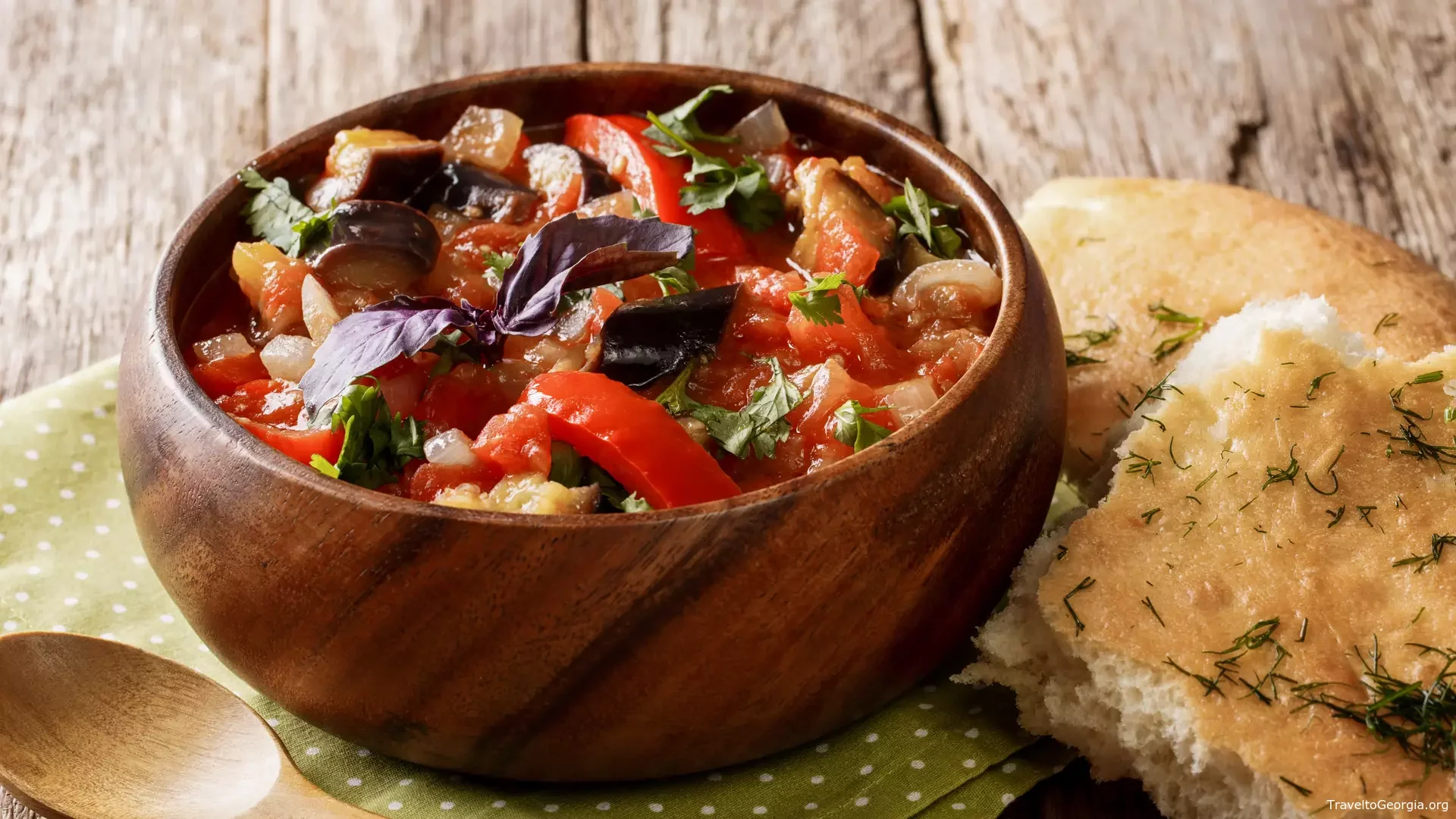
If one dish truly captures the soul of Tbilisi’s diversity, it’s ajapsandali. This vibrant vegetable stew mirrors the city’s multicultural spirit — colorful, lively, and full of character. The dish centers around eggplant, joined by peppers, tomatoes, potatoes, onions, and fresh herbs such as basil and coriander. Though often considered a fasting food, many locals enrich it with meat, creating endless variations.
During summer, the aroma of simmering ajapsandali wafts through Tbilisi’s courtyards and kitchens. Some call it “the Georgian ratatouille,” but it’s far more than that — it’s the essence of Tbilisi itself, belonging to no single region yet uniting them all.
Shkmeruli (შქმერული)
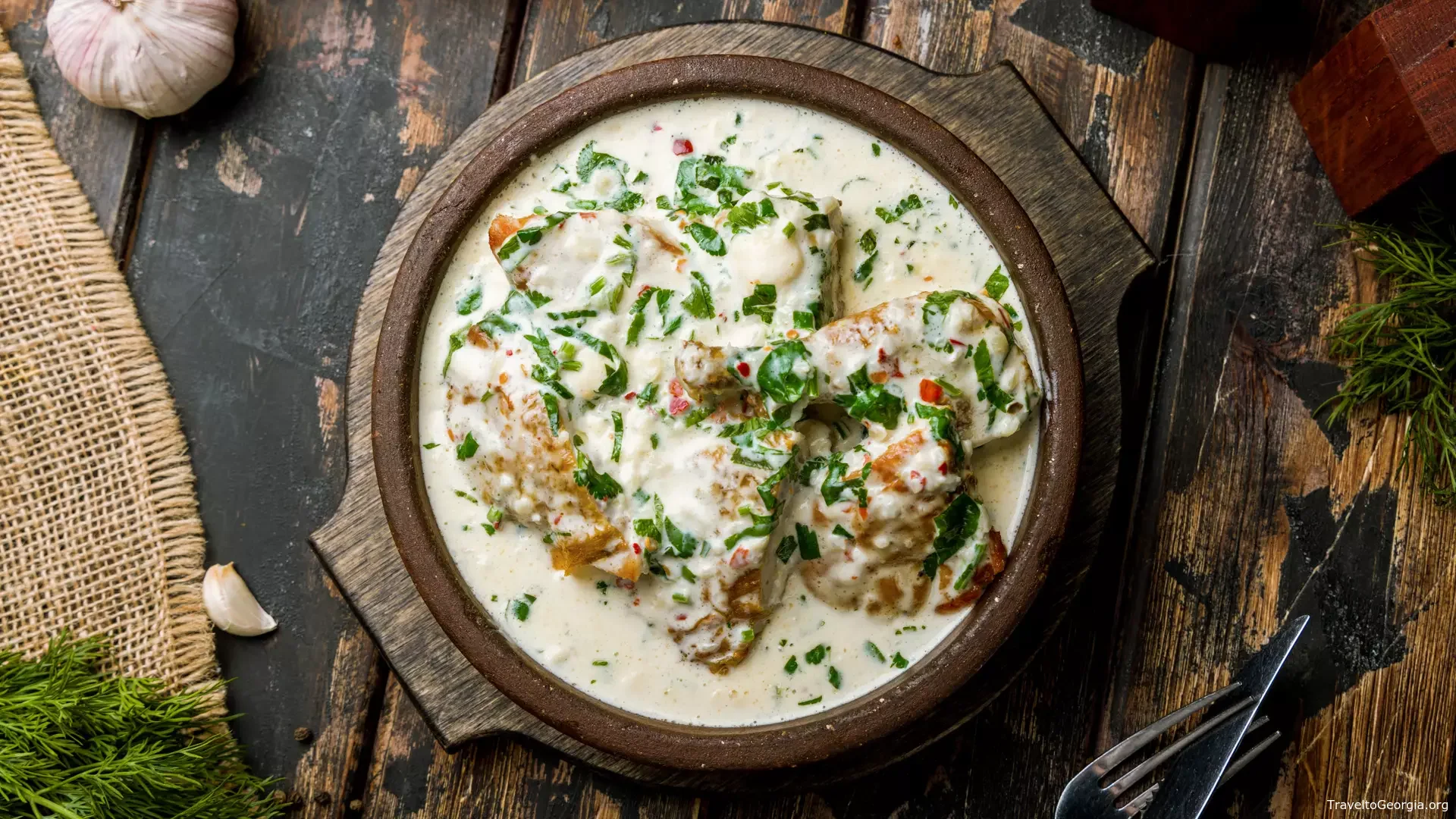
Few dishes combine simplicity and indulgence as beautifully as shkmeruli. Originating from the Racha region, this creamy garlic chicken has become a Tbilisi favorite. The chicken is fried to golden perfection, then bathed in a sauce of milk, sour cream, and crushed garlic. When cooked on a ketsi — a traditional clay pan — the flavors meld into a comforting, velvety masterpiece.
While Racha often prepares it without cream, Tbilisi’s version always includes it, giving the dish a smoother, richer taste. Its fame has even reached Japan, where chefs have recreated shkmeruli in their own style, further proving its universal appeal.
Lobio (ლობიო)
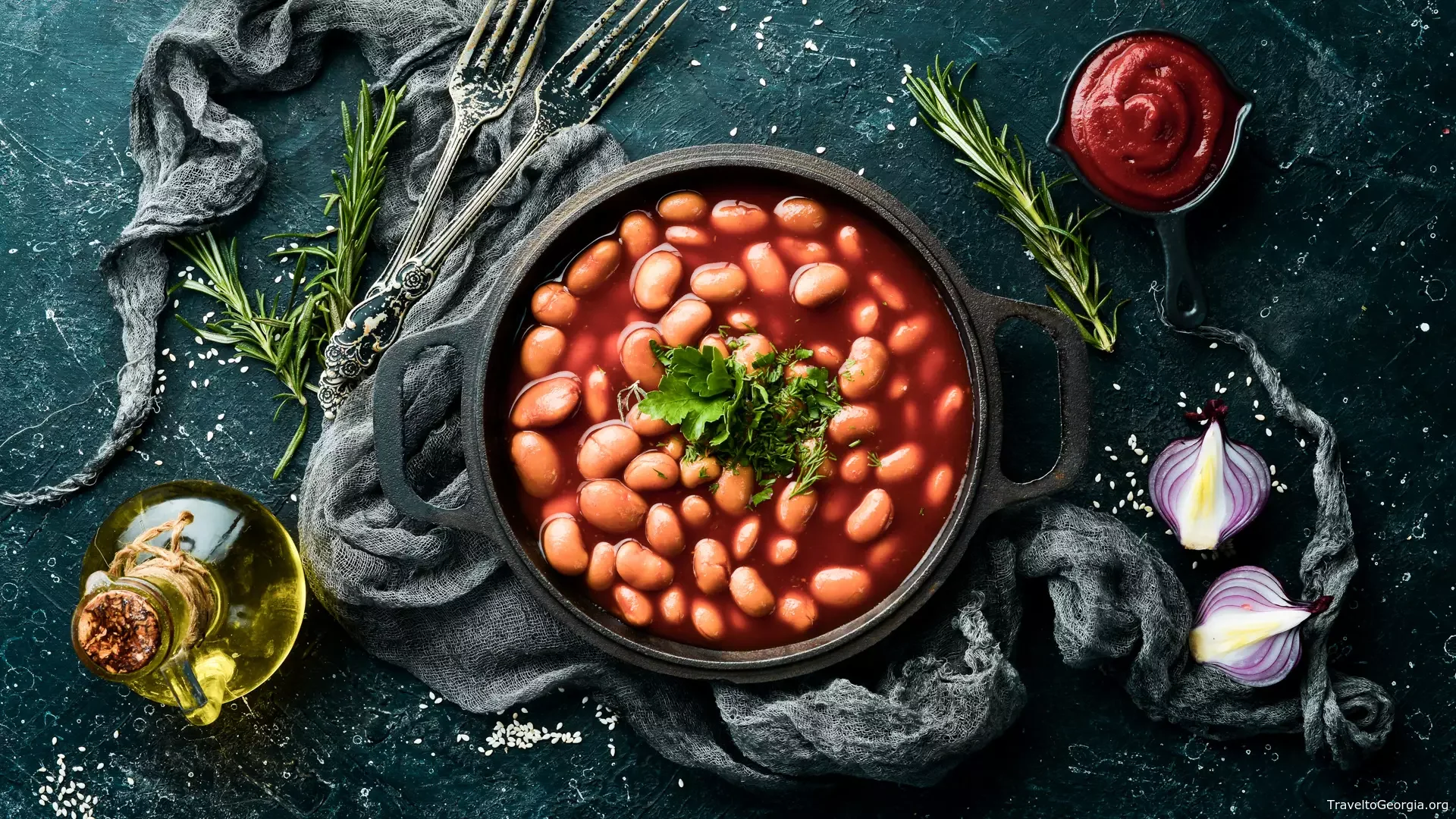
Beans are at the heart of Georgian home cooking, and lobio is a dish every family cherishes. There are countless versions: lobio with tkemali (sour plum sauce), mashed beans, dried kirkazhi beans, or beans slow-cooked with ham. Traditionally served in a clay pot, lobio is both simple and deeply satisfying — especially on cold days, when its warmth fills the table with comfort and the aroma of herbs and spices.
Satsivi (საცივი)
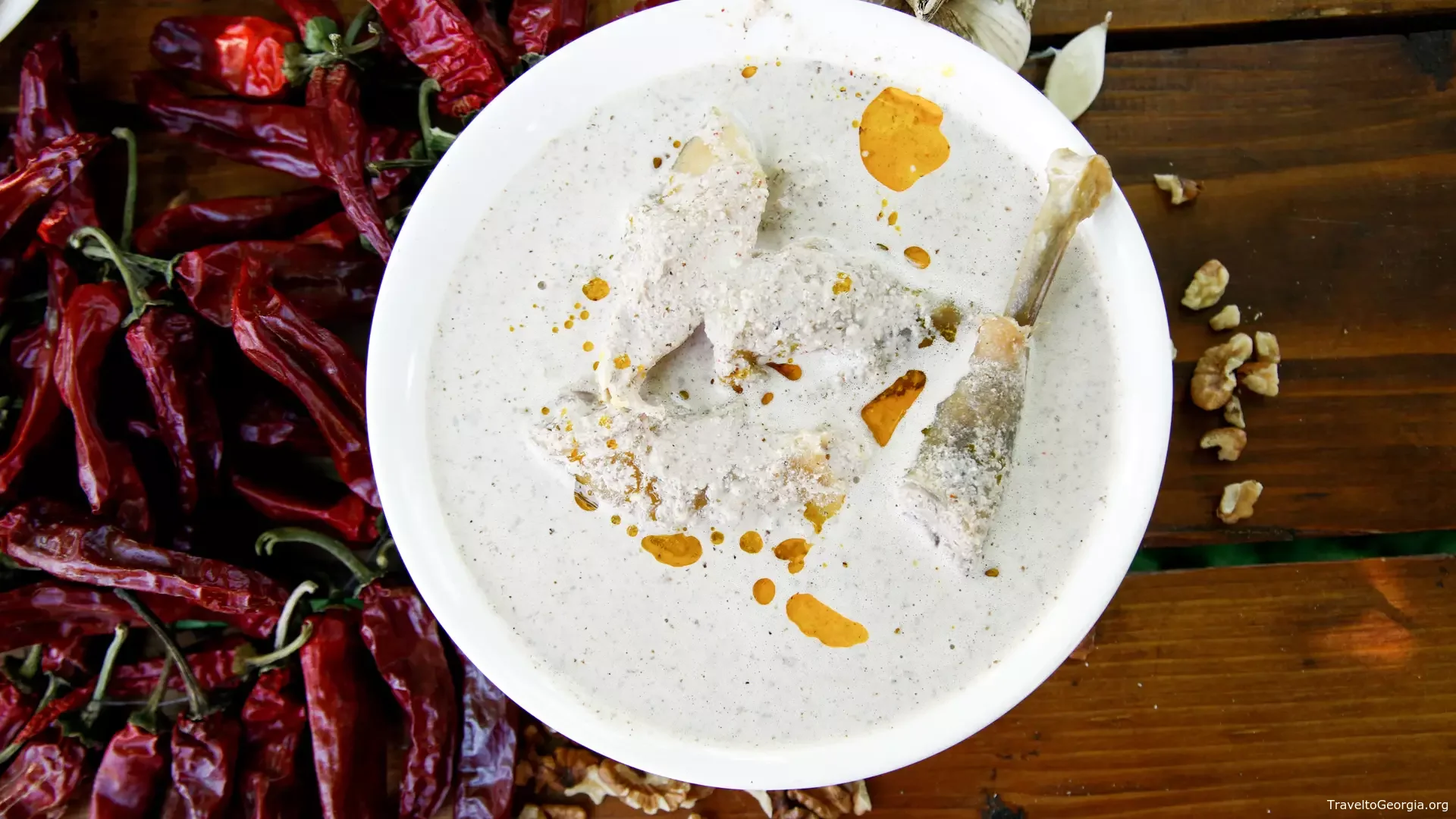
No Georgian holiday is complete without satsivi. This luxurious dish, often prepared for New Year celebrations, combines turkey or chicken with a rich walnut sauce seasoned with garlic, coriander, and blue fenugreek. The sauce, thick and nutty, is served cold — a balance of earthy and aromatic flavors that showcase the essence of Georgian cuisine.
Chakapuli (ჩაქაფული)
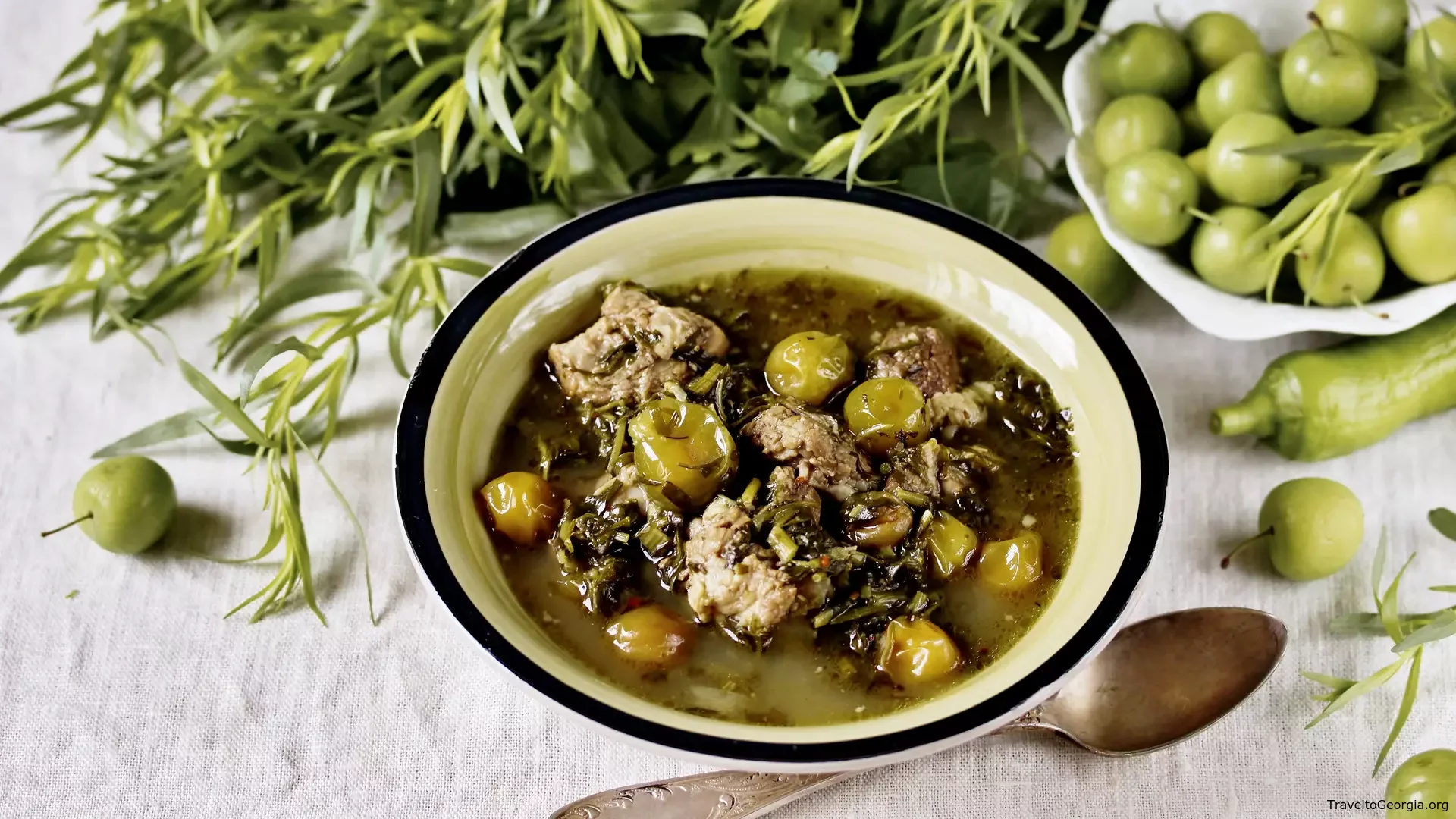
Spring in Georgia is the season of chakapuli, a dish that celebrates renewal and freshness. Made with lamb or veal, green plums, white wine, and a generous amount of tarragon, chakapuli captures the taste of early spring herbs. Its tangy, herbal flavor is unlike any other stew in Georgian cooking. If you visit Tbilisi in spring, don’t miss this refreshing and slightly sour delicacy.
Mtsvadi on Grape Twigs (მწვადი წალამზე)

Mtsvadi — Georgian barbecue — might seem familiar to travelers, but when it’s grilled over grape twigs, it becomes something extraordinary. Known as tsalami, the dried vine branches used for grilling infuse the meat with a unique smoky sweetness. Pork mtsvadi is the most popular, though beef and lamb versions are also loved. While Kakheti is famous for perfecting this dish, Tbilisi’s mtsvadi is equally delicious, especially when paired with local wine.
Khashi (ხაში)
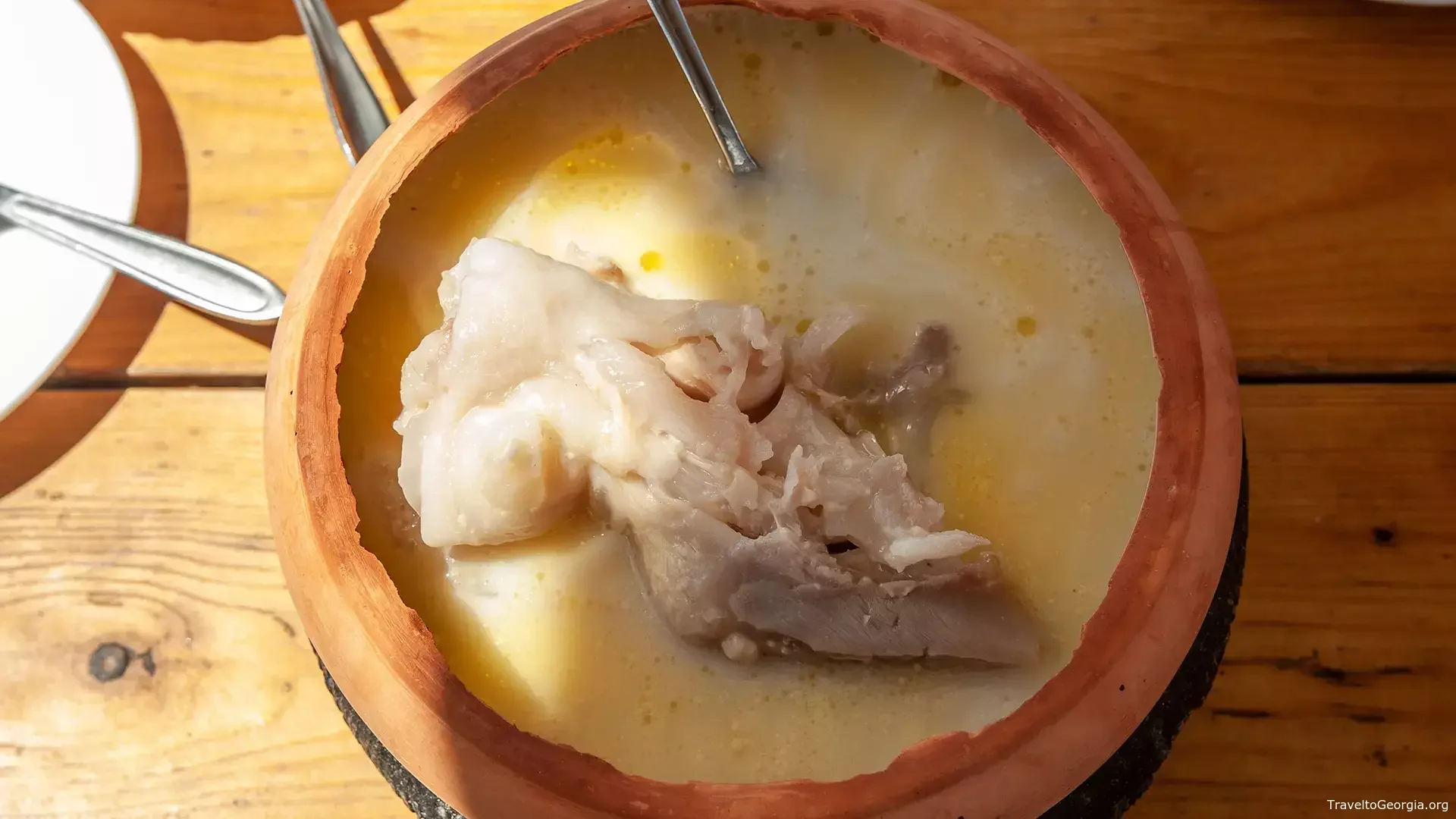
Khashi is one of Georgia’s oldest dishes, originally brought from Asia centuries ago but now deeply rooted in Georgian tradition. This hearty tripe soup became a Tbilisi staple, especially popular in the morning after a long night of wine and celebration. Locals often say the best khashi revives the soul — it’s served steaming hot with garlic, salt, and fresh herbs, and always enjoyed with homemade bread. Even today, khashi houses remain part of Tbilisi’s morning culture.
Kababi (ქაბაბი)
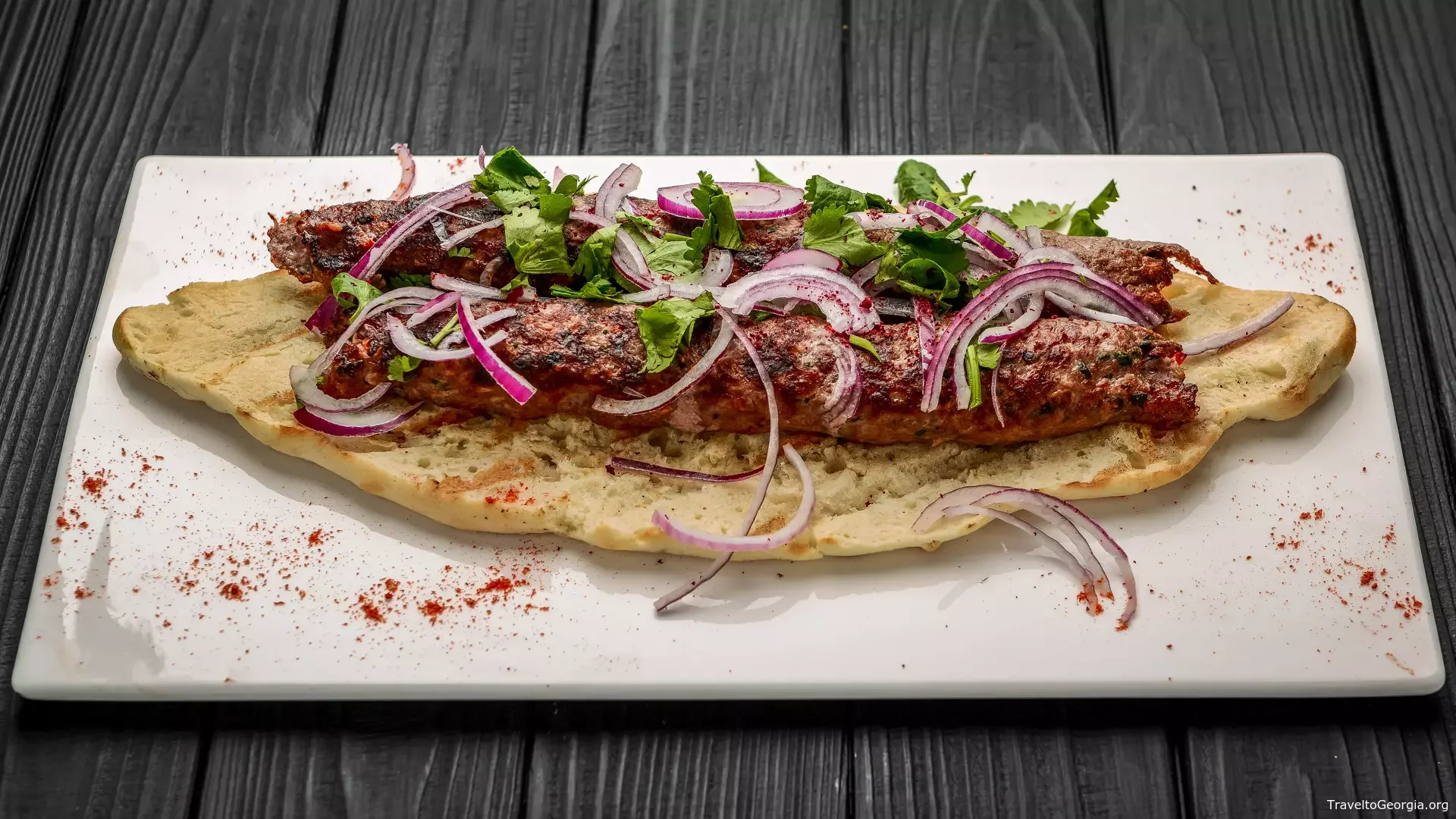
Tbilisi’s kababi is tender, juicy, and bursting with aroma. It’s made with a secret blend of minced pork, beef, and chicken fillet — the combination that gives it its distinct texture and flavor. Seasoned with Georgian spices and often served with satsebela (a tangy tomato sauce), kababi represents the city’s creativity in perfecting foreign-inspired dishes. Soft and savory, it’s a must-try street food experience in the capital.
Khinkali (ხინკალი)
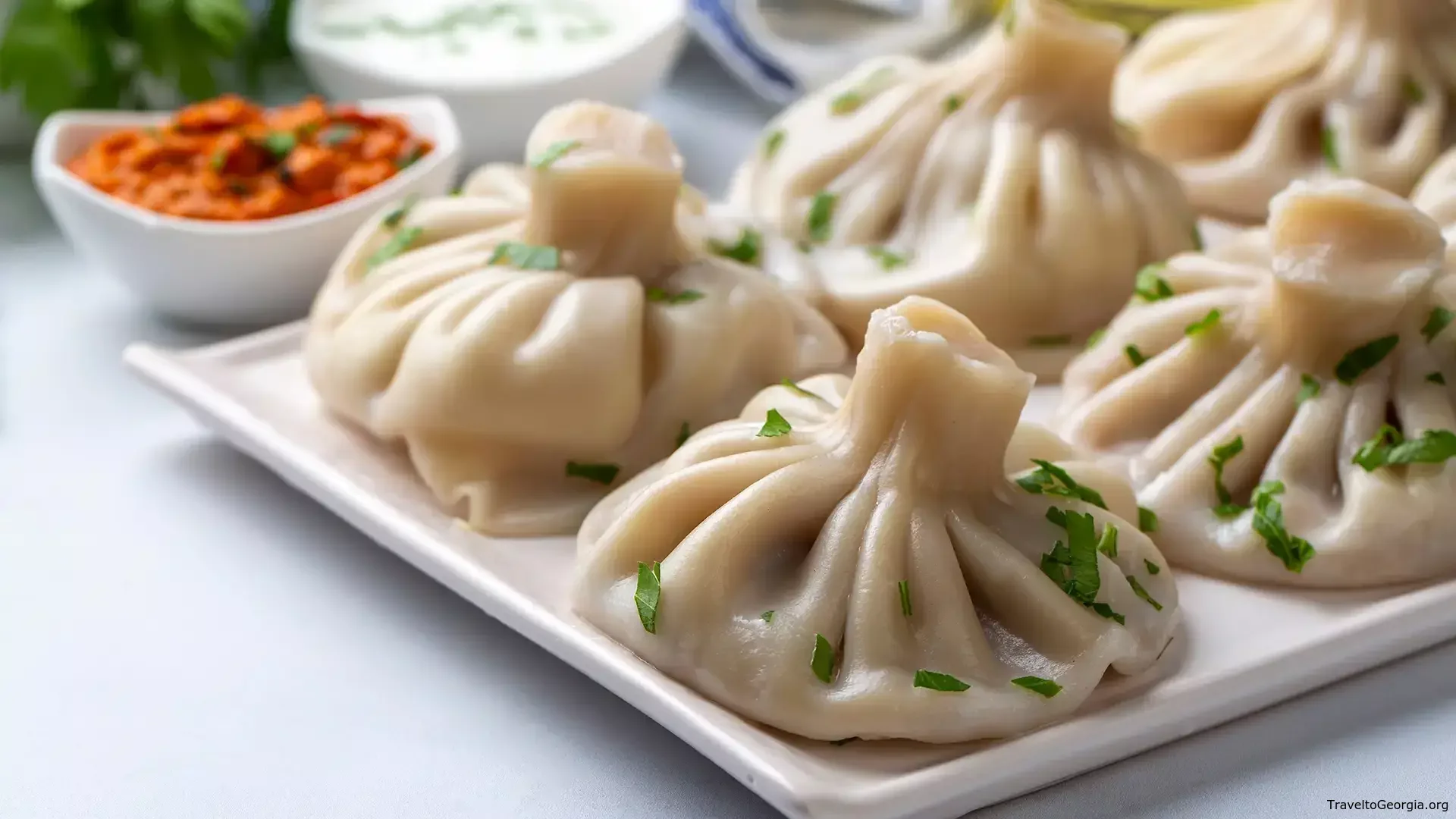
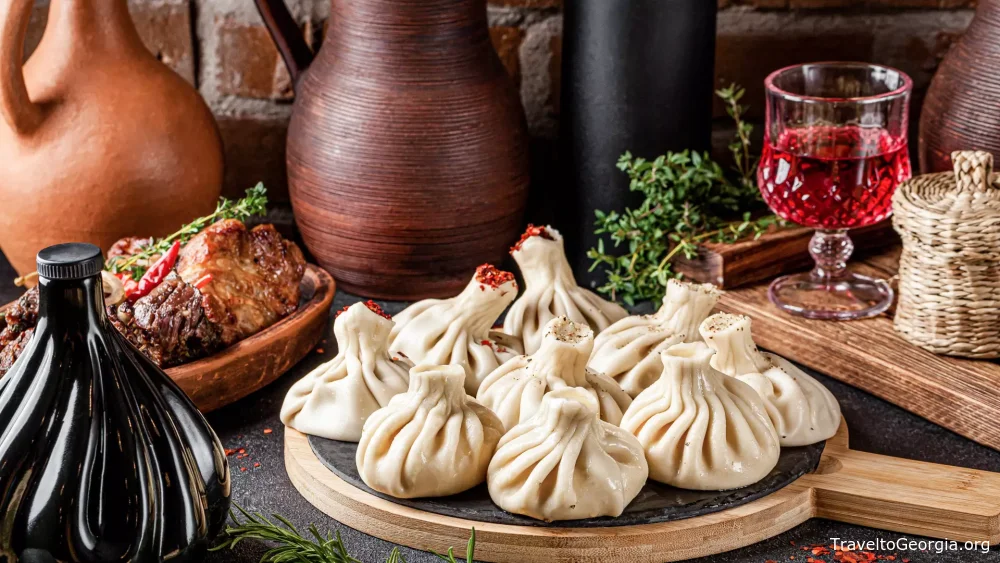
Perhaps no dish represents Georgia better than khinkali. These dumplings, filled with spiced minced meat and flavorful broth, are both art and comfort food. Originally a mountain dish, khinkali made its way to the city, where it transformed into kalakuri khinkali — the “urban version” made with herbs, silky dough, and intricate folds. Eating khinkali is an experience: you hold it by the top, bite into it, sip the broth, and savor the filling. In Tbilisi, you can find excellent khinkali in both restaurants and casual dumpling houses, often enjoyed with a glass of Georgian wine.
Khachapuri (ხაჭაპური)

If khinkali is Georgia’s heart, khachapuri is its soul. This beloved cheese-filled bread exists in many regional forms. The Imeretians make the traditional “mother khachapuri” with thin dough and gooey cheese inside. The Megrelians top theirs with extra cheese, while the Meskhetians create delicate layered versions. The most famous, Adjaruli khachapuri, resembles a boat with a sunny egg in the center. In Tbilisi, every bakery and restaurant has its version, including the city’s own dedakalakuri khachapuri, made with matsoni (yogurt) for a soft, tangy texture.
Lobiani (ლობიანი)
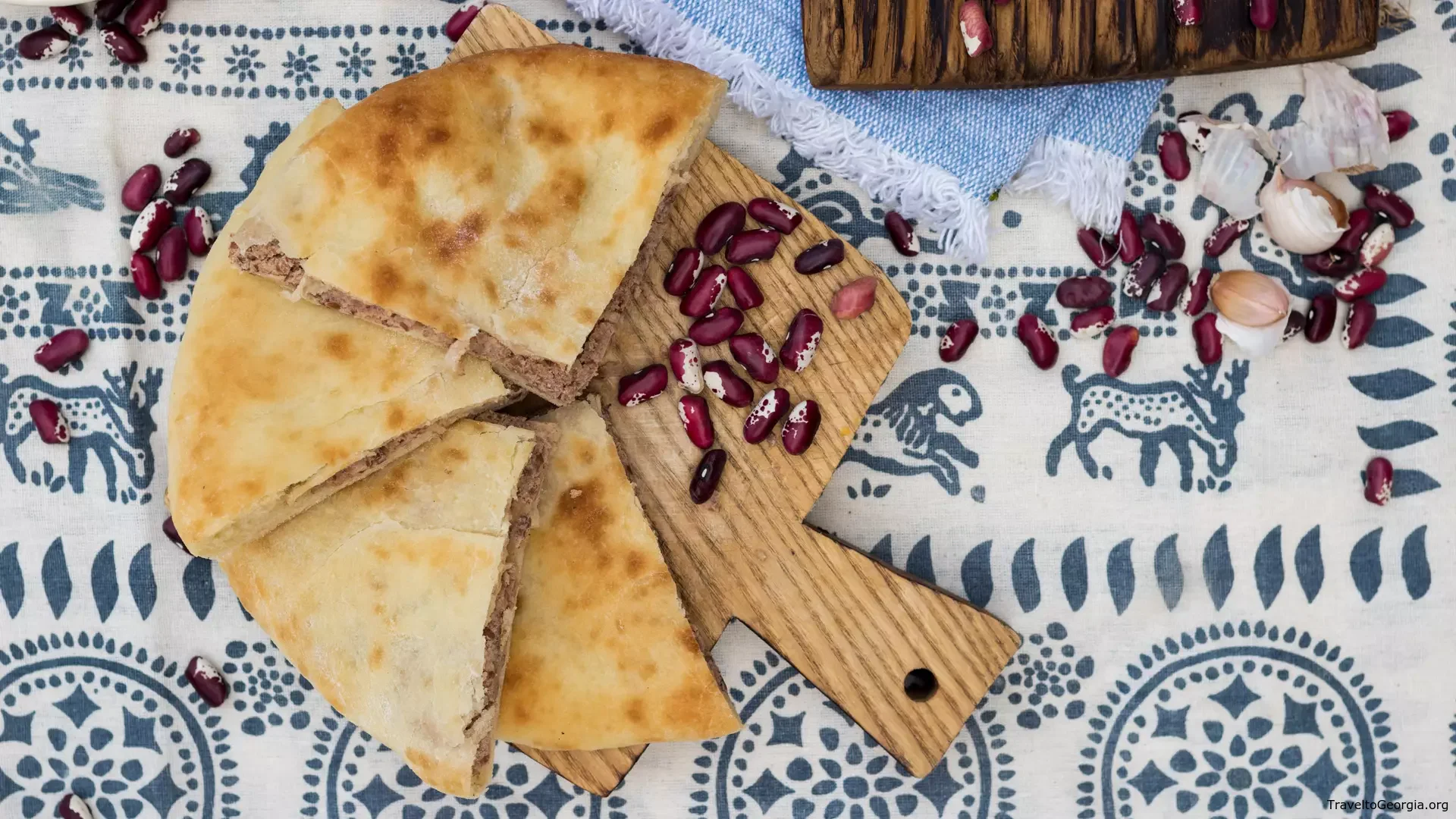
Another local favorite is lobiani — bread filled with mashed beans, sometimes mixed with smoky ham. The Racha version, Rachan lobiani, is especially prized for its use of regional ham and flavorful beans. Found in bakeries and cafes throughout Tbilisi, it’s a quick, comforting snack that pairs perfectly with hot tea or beer.
Kubdari (კუბდარი)
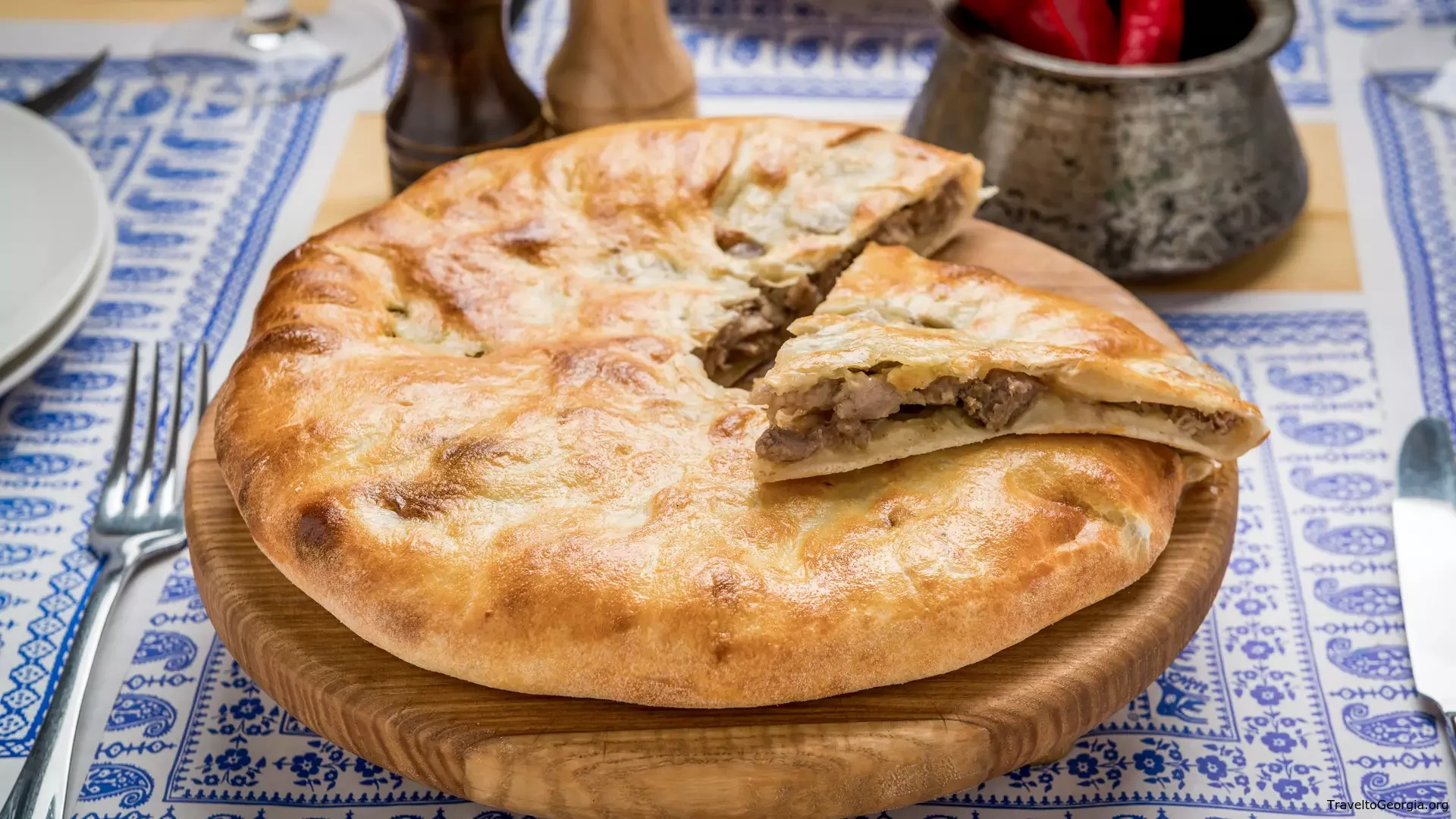
A proud dish from Svaneti, kubdari is a savory meat pie seasoned with aromatic Svan spices and forest herbs like gitsruli. The filling is made from finely chopped beef or pork, wrapped in soft dough and baked to golden perfection. Authentic kubdari is not easy to master, so it’s best enjoyed at trusted restaurants or with local hosts who know its traditional preparation.
Cheese (ქართული ყველი)
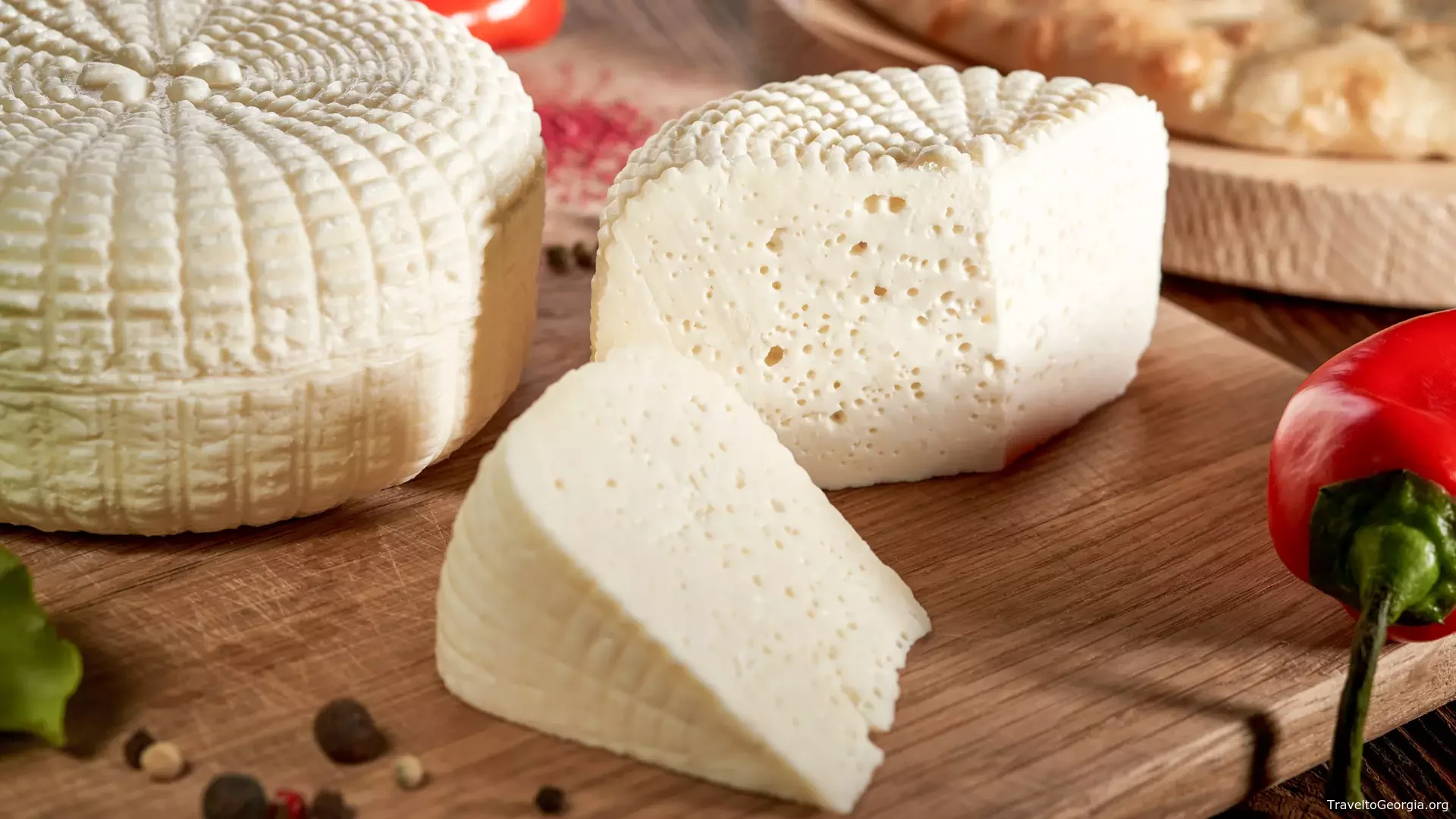
Georgia is truly a paradise for cheese lovers, boasting more than 60 varieties. In Tbilisi’s markets and specialty shops, you can sample cheeses from across the country — Imeretian, Sulguni, Guda, Tenili, Dambalkhacho, and more. Each has its own character, texture, and story, reflecting the landscapes and customs of its region.
Bread (ქართული შოთის პური)
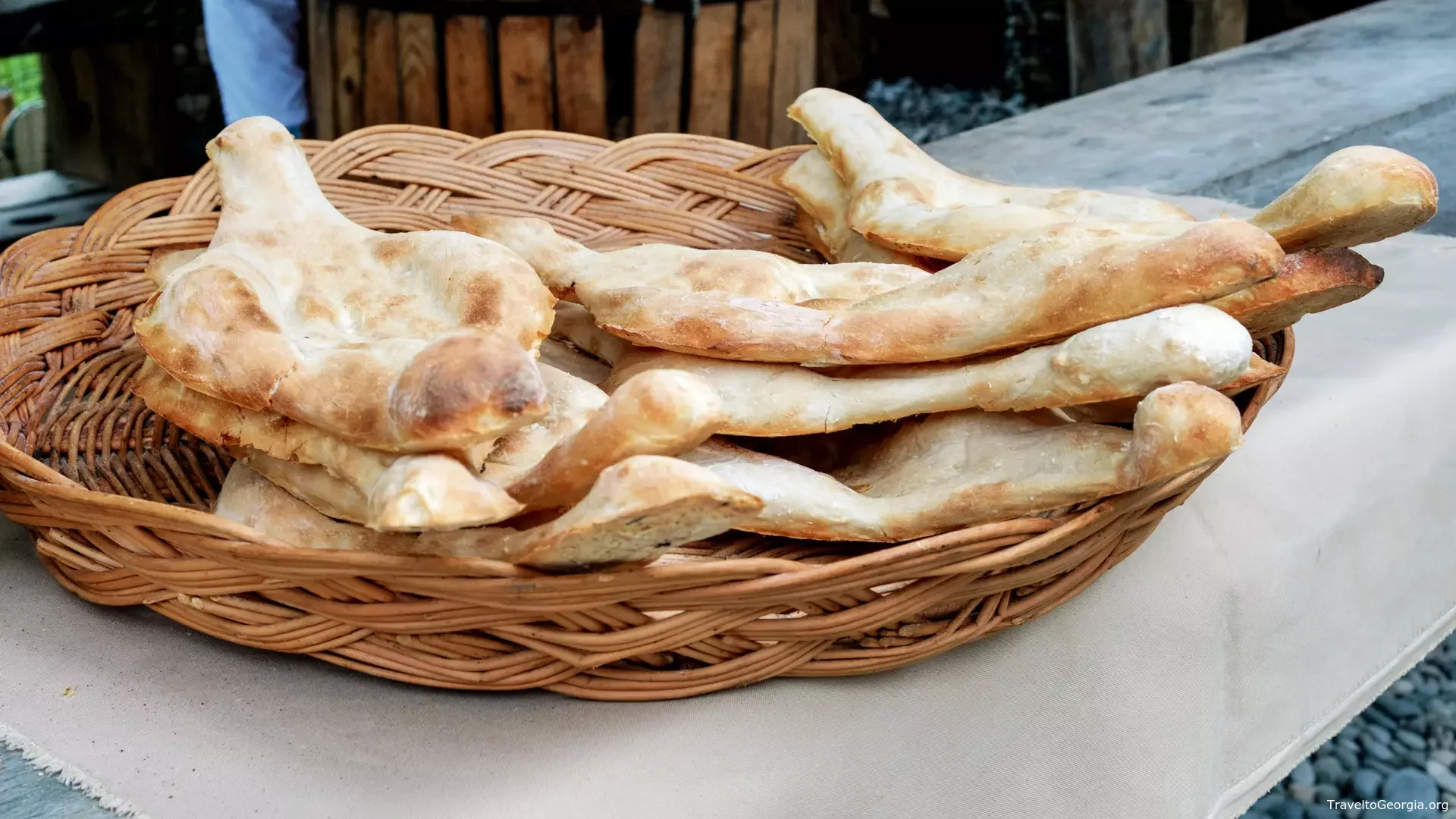
Bread holds a sacred place in Georgian culture. Every neighborhood in Tbilisi has its bakery, where the scent of freshly baked shoti or lavash fills the air. “Bread Square,” one of the city’s oldest districts, still honors this tradition. The loaves are baked in a tone clay oven — crisp on the outside, soft inside — and made with ancient varieties of Georgian wheat. Sharing warm bread from the oven is a daily ritual that symbolizes kindness, abundance, and community.
Tbilisi is not just Georgia’s capital — it’s a living museum of flavors. From rustic mountain recipes to modern reinterpretations, every meal here tells a story of resilience, warmth, and hospitality. A culinary journey through Tbilisi isn’t merely about tasting food; it’s about experiencing the soul of Georgia itself.


Comments