Georgian Wine – An 8,000-Year-Old Tradition
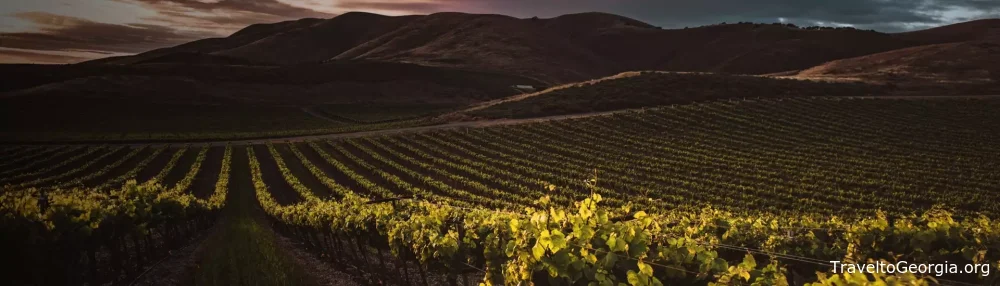
Georgian Wine – 8,000 Years of History
Georgia is widely recognized as the cradle of winemaking, with a history that stretches back to around 6000 BC. Over thousands of years, Georgian people have perfected the art of turning grapes into wine, creating a tradition that has endured across millennia. From ancient rituals to modern celebrations, wine remains at the heart of Georgian culture.
The Origins of Georgian Wine
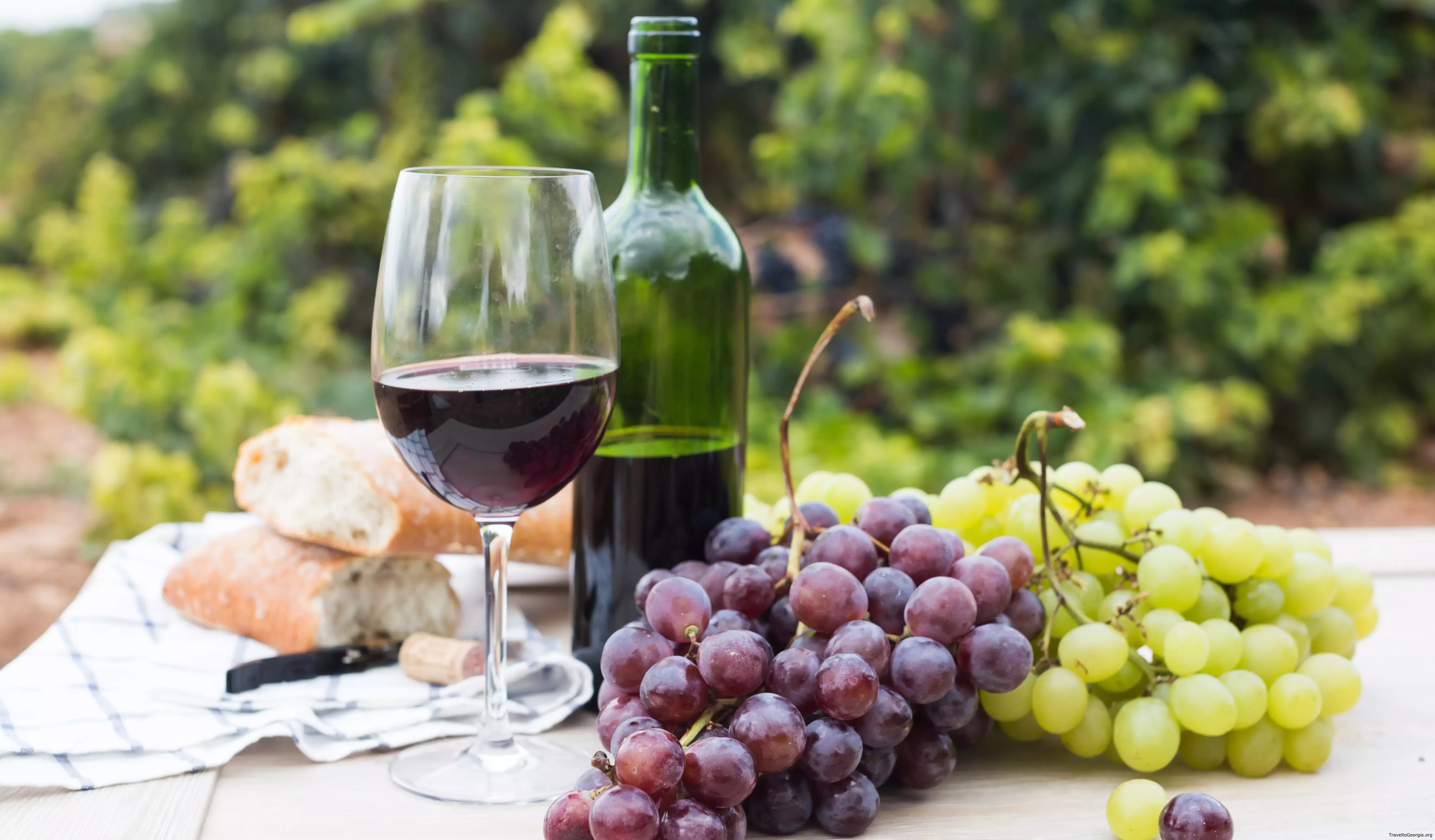
Long before recorded history, Georgians were already fermenting grapes in a special clay vessel called a Qvevri. These egg-shaped pots, buried underground during fermentation, are still used today and are recognized by UNESCO as part of the world’s intangible cultural heritage. Archaeological discoveries at sites like Gadachrili Gora in Marneuli Municipality have confirmed that Georgia was producing wine some 8,000 years ago, making it the oldest known wine-producing region in the world.
Some legends even tie wine to biblical times. One story suggests that Noah, after the ark landed on the slopes of Mt. Ararat, first tasted wine near the Caucasus mountains, in what is now Georgia—a fitting symbol of the country’s long-standing connection to the vine.
Archaeological Evidence
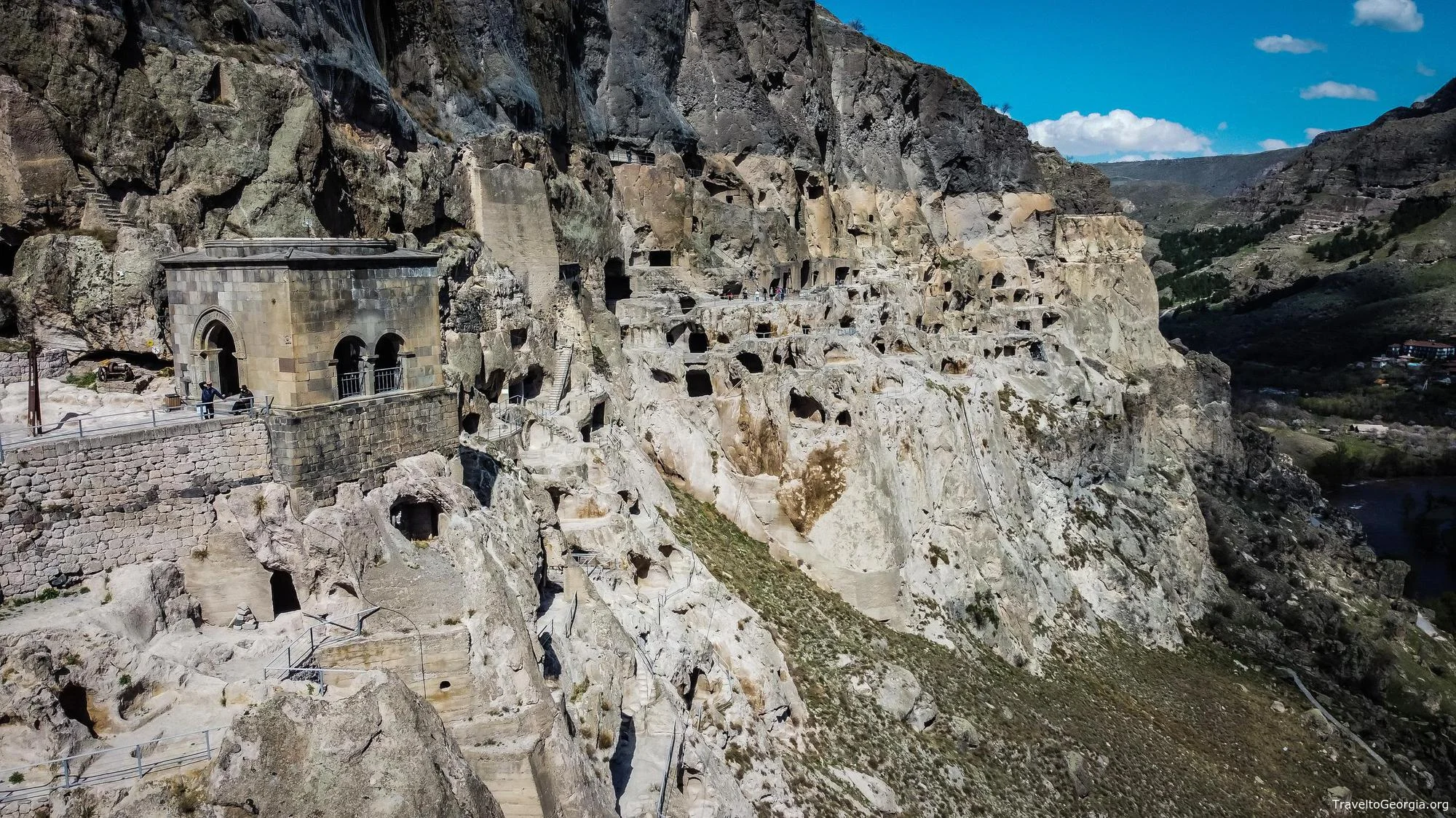
Scientific studies, led by biochemist Patrick McGovern and an international team of researchers, confirmed that ancient Georgians were the first in the world to cultivate grapes and produce wine. Excavations have uncovered grape seeds, wine pots, and other artifacts at over 50 archaeological sites, illustrating a thriving Neolithic culture that mastered winemaking centuries before it spread elsewhere.
The Shulaveri-Shomu culture, dating back to 6000–4000 BC, provides the earliest evidence of organized viticulture in the region. Ancient artworks, from engraved gold cups to bronze vessels, depict grapevines, leaves, and wine vessels, demonstrating the importance of wine in daily life and spiritual practices even thousands of years ago.
The Qvevri Method
The hallmark of Georgian winemaking is the Qvevri, a clay vessel traditionally buried underground to allow fermentation. The process begins with crushing grapes, then combining the juice, skins, stems, and seeds inside the Qvevri. Fermentation lasts five to six months, after which the wine is ready to enjoy.
This technique has endured for millennia, linking modern Georgians directly to their ancestors. Wine remains central to celebrations, religious ceremonies, weddings, and family gatherings, with wine cellars considered sacred spaces within households. Beyond Qvevris, other traditional vessels like Chapi and Satskhao have also been used, preserving the ancient methods of viniculture.
Wine and Georgian Culture
Wine is woven into the fabric of Georgian life. Songs, dances, and rituals are often dedicated to the vine, from planting and harvesting to pressing grapes and opening a Qvevri. Even today, farmers sing while tending vineyards, while professional ensembles bring these cultural expressions to stages worldwide.
Georgian polyphonic singing, particularly, frequently celebrates the vine, demonstrating how integral wine is to both spiritual and everyday life. Births, weddings, and seasonal celebrations are all marked with music, dance, and, of course, wine.
Georgia’s Wine Routes
Travelers in Georgia will notice signs for the Wine Route, guiding them to family-run wineries or larger commercial vineyards. Each region offers its own signature wines and local delicacies, perfectly paired with regional cuisine. Some notable examples include:
-
Ajara and Guria: Chkhaveri – a light pink or red wine
-
Samegrelo: Ojaleshi – a berry-forward red
-
Imereti: Tsitska-Tsolikouri and Krakhuna – crisp and lively whites
-
Racha-Lechkhumi: Usakhelouri, Khvanchkara, Tvishi – sweet and fruity
-
Shida Kartli: Chinebuli and Goruli Mtsvane – elegant regional wines
-
Kvemo Kartli: Rkatsiteli and Asuretuli Shala – golden and strawberry-like
-
Samtskhe Javakheti: Meskhuri Mtsvane, Meskhuri Tsiteli, Chitiskvertskha – resilient local varietals
-
Apkhazeti: Avasirkhva – exotic flavors
-
Kakheti: Kakhuri Mtsvane, Kisi, full-bodied Rkatsiteli and Saperavi – the region’s iconic wines
The only areas without wine routes are high-altitude mountain zones where grapevines cannot grow, so even when trekking or skiing, make time to sample local wines along the way.
Wine and Food in Georgia
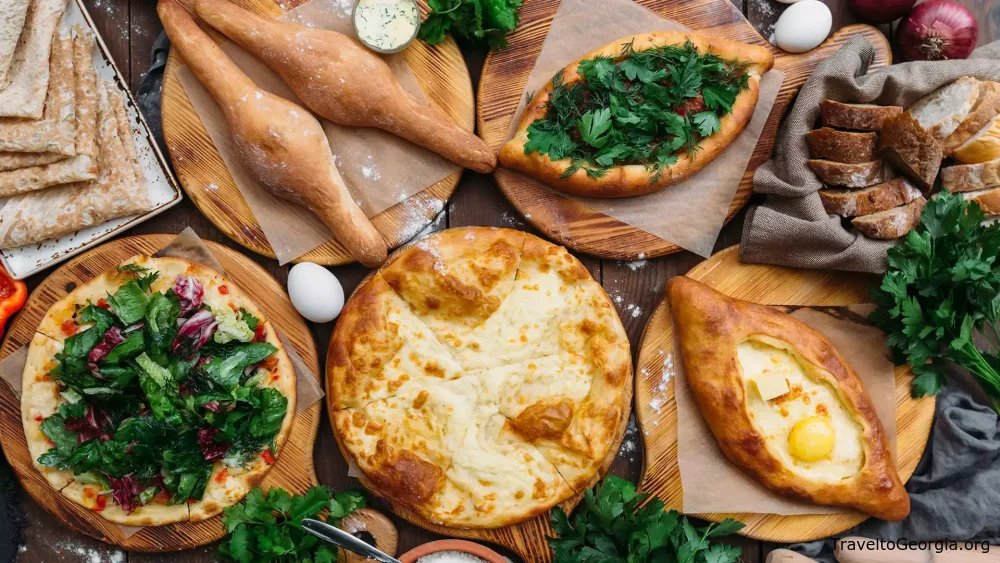
No discussion of Georgian wine is complete without mentioning Georgian cuisine. Each region pairs its wines with distinctive local dishes, reflecting centuries of culinary evolution influenced by neighboring cultures. The combination of wine and food is essential to understanding Georgian culture, as meals and toasts are central to hospitality, social life, and tradition.
Experience Georgian Wine Yourself
A visit to Georgia is not just a trip—it’s a journey into the world’s oldest wine culture. Explore vineyards, taste rare varietals, follow the Wine Routes, and immerse yourself in centuries of winemaking tradition. From the Qvevri cellars to regional dishes, you will discover why wine is more than a drink in Georgia—it’s a symbol of history, art, and life itself.



Comments