Georgian Folklore
The Origins of Georgian Myths
Most people are familiar with the Greek myth of Prometheus, who defied the gods to give fire to humanity. Yet few know that this story has deep roots in ancient Georgian legends.
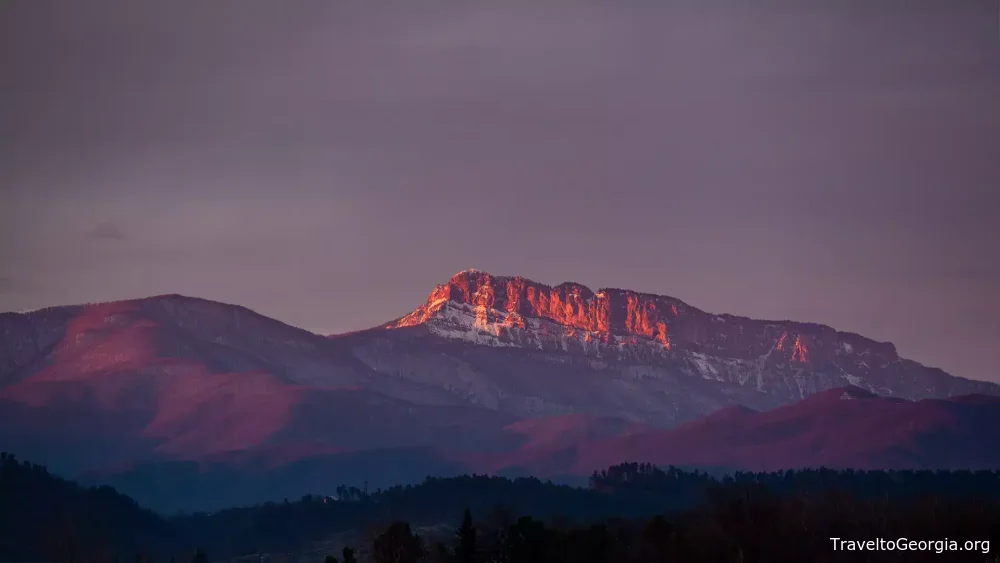
In Georgian folklore, the hero Amirani performed feats that would later appear in mythologies across the world. Like Hercules, he was swallowed by a giant beast and struggled to escape. He also abducted a celestial maiden made of fire, which led to his eternal punishment: he was chained to Khvamli Mountain, where an eagle gnawed at his chest every day. These dramatic tales of bravery and suffering became the inspiration for the Prometheus legend.
Another famous figure is Medea, daughter of the king of Colchis. Renowned for her healing skills, she assisted Jason, leader of the Argonauts, in stealing the Golden Fleece. Her story is a cautionary tale of love, betrayal, and tragedy, and her name is thought to be the origin of the word medicine, in honor of her healing abilities.
Georgian mythology doesn’t just influence local culture—it has inspired stories across civilizations. Oral storytelling preserved these myths for centuries, and even today, Georgians proudly recount them over festive meals and wine, keeping the ancient heritage alive.
Poetry, Proverbs, and Folktales
Georgian culture thrives not only in myth but in poetry, proverbs, and folktales. Poetry in Georgia is not mere words on paper; it is an expression of emotion, history, and philosophy.
At traditional mountain feasts known as supras, poetic duels called kapiaoba or shairoba are held. Participants exchange witty, heartfelt, and sometimes humorous verses that explore love, morality, and human folly. Georgian poetry captures the full spectrum of life’s emotions—from elation and romance to the sorrow of vanity and loss.
Proverbs in Georgia carry centuries of wisdom. They teach lessons about courage, loyalty, cleverness, and kindness, often wrapped in metaphors drawn from nature and everyday life. Folk tales complement this wisdom, featuring clever heroes, loyal friends, and the ultimate triumph of good over evil.
Georgian storytelling is also closely tied to the landscape. Tales from the mountainous regions differ from those along the Black Sea coast, reflecting local customs, hardships, and triumphs, adding a rich diversity to the national folklore.
Music That Reaches the Cosmos
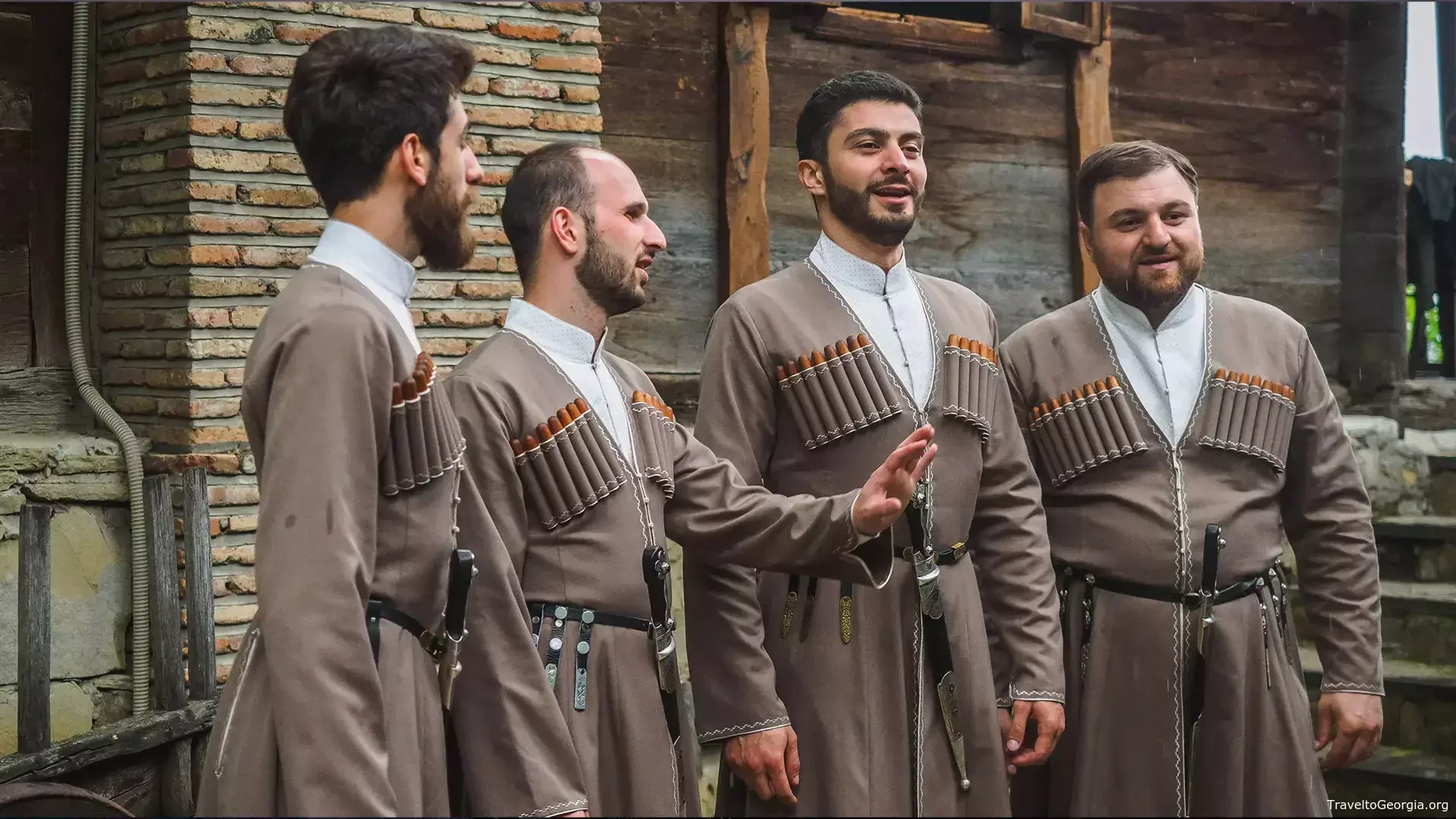
Few nations can claim that their music has traveled beyond Earth—but Georgia can. The folk song Chakrulo, performed in intricate polyphonic harmony, was selected for the Voyager 2 Golden Record and now soars through space as a testament to human culture.
Each Georgian region has its own distinct style of song:
-
Kartli-Kakheti – “Mravalzhamieri”
-
Mingrelia – “Nana”
-
Guria – “Khasanbegura” and countertenor-led “Krimanchuli”
-
Svaneti – “Lile”
-
Imereti – “Naduri”
Polyphony, where multiple independent vocal lines intertwine, is a hallmark of Georgian music. UNESCO has recognized it as a masterpiece of Intangible Cultural Heritage, celebrating its complexity, beauty, and historical significance.
Christian hymns also enrich the musical landscape. Georgian churches are alive with haunting melodies of praise, and the spiritual energy of these hymns has been preserved for centuries, creating a unique connection between faith and culture.
Dance: A Living History
Grigol Robakidze, the celebrated Georgian writer, once said: “The genius of Georgia is revealed through dance.” Every movement, every gesture in Georgian dance carries history, emotion, and identity.
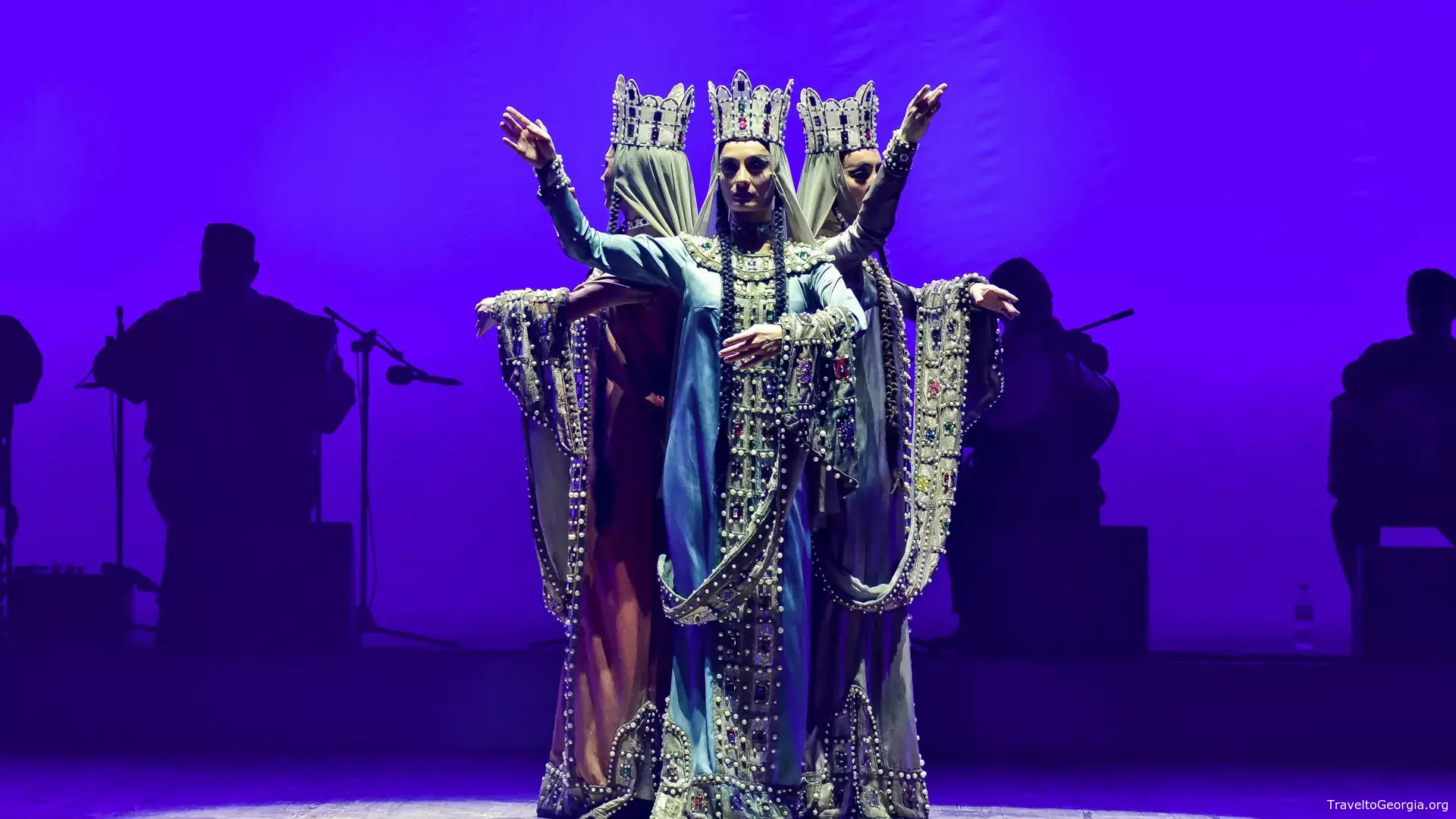
Traditional dances like Kartuli, Mtiuluri, Baghdaduri, Jeirani, Kintouri, Khanjluri, Gandagana, Samaia, and Khorumi tell stories of love, valor, and daily life. Each dance is a living chronicle, passed down through generations, refined into precise choreography that rivals classical ballet.
Modern Georgian choreographers also blend old and new, creating performances that honor tradition while appealing to contemporary audiences. National costumes, adorned with intricate embroidery and symbolic patterns, enhance the visual storytelling, making each performance a vibrant tapestry of culture and history.
Dance is also part of festivals and celebrations, where communities come together to celebrate seasonal events, weddings, and historical milestones, keeping the spirit of Georgian identity alive and visible.
Festivals, Crafts, and Everyday Culture
Beyond myths, music, and dance, Georgian culture is also celebrated in its festivals and crafts. The Rtveli harvest festival in autumn brings communities together with wine, song, and feasting, echoing traditions that date back thousands of years.
Georgian artisans continue to craft ceramics, textiles, and jewelry using ancient techniques, blending natural materials with regional symbolism. Each object tells a story, connecting the past to the present. Visitors can witness the making of traditional instruments like the panduri or chonguri, or see the intricate work of woodcarvers and weavers that has been preserved across centuries.
Cuisine itself is a cultural expression: a supra is not just a meal—it is a ceremony where toasts, poetry, and song are inseparable from the food and wine shared. These traditions reveal the warmth, hospitality, and communal spirit that define Georgian society.
Discover Georgia’s Cultural Treasures
This glimpse into Georgian folklore, music, dance, and craft represents only a fraction of the nation’s rich heritage. Experiencing Georgia in person—listening to polyphonic songs in a mountain village, attending a dance performance, tasting the local cuisine, or simply hearing a local storyteller—is the only way to fully appreciate its depth.
Georgia is a land where myths live, music soars, dances tell stories, and every corner reflects centuries of history. Visiting Georgia is not just a trip—it’s a journey into the heart of a culture that has inspired civilizations and continues to inspire today.
Come and see why this small country has given the world myths, melodies, and movements that still resonate across generations.

Comments