Georgian Unique Culture

What You Should Know About Georgian Culture
For centuries, Georgia has been a crossroads where European, Asian, and Middle Eastern cultures met, interacted, and left their mark. This unique blend of influences, combined with the creativity of the Georgian people, has shaped a culture that is both diverse and deeply original. Visitors to the country are often amazed by the mix of ancient traditions and modern life, from historic monuments to living customs that continue to thrive.
Despite a long history of invasions and conflicts, Georgia has preserved its distinct language and alphabet, literary and artistic achievements, musical and choreographic traditions, and culinary heritage—including its world-famous wine-making practices.
So, what should you experience in Georgia if you want to truly understand its culture, even during a short visit?
Georgian Supra: The Heart of Hospitality
Many travelers begin their cultural journey in Georgia with a supra, the traditional Georgian feast. Here, guests are treated to regional dishes, fine wine, and an atmosphere of celebration.
Georgia has been cultivating vines and producing wine for more than 8,000 years, making the supra an enduring symbol of hospitality and community. Supras are held for joyous occasions as well as somber events, reflecting the full spectrum of life.
During a supra, you will witness locals expressing themselves freely—singing songs, performing dances, reciting poetry, and exchanging stories. It’s a social experience where friendships are formed, traditions are shared, and guests get a genuine taste of Georgian culture. Each region brings its own culinary specialties, giving you a true sense of the country’s diversity.

Georgian Folklore and Music
Music in Georgia is as old as the nation itself. Every region has its distinctive sound, yet all share a common thread: polyphony—the intricate layering of multiple vocal lines.
Georgia was one of the first countries in the Christian world to develop three-part harmonies in sacred music. The Chakrulo folk song, a masterpiece of Georgian polyphony, was included on NASA’s Golden Record sent into space, representing human creativity. In 2008, UNESCO recognized Georgian polyphonic singing as an Intangible Heritage of Humanity.
Dance is another cornerstone of Georgian culture. Traditional performances tell stories of love, war, faith, and everyday life. Georgian dances are famous for the strength and flexibility of the men and the grace and elegance of the women, captivating audiences with every movement.
Architecture: A Testament to History
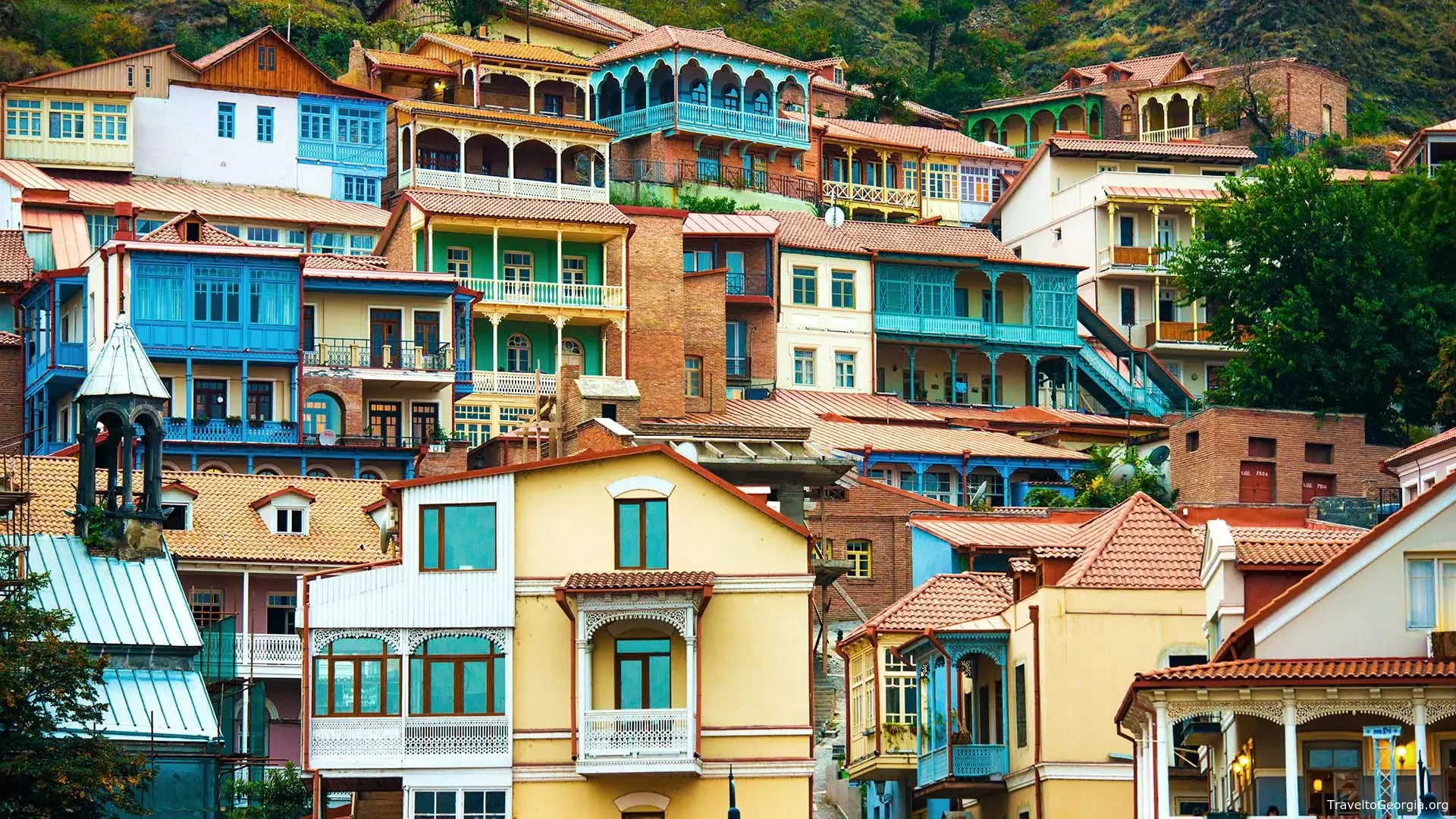
Georgian architecture, from ancient fortresses to ornate churches, reflects the richness of its culture. Religious architecture began to flourish in the 4th century with the spread of Christianity, and many well-preserved medieval churches and monasteries still stand today.
Georgia’s position at the crossroads of civilizations meant it was constantly absorbing new influences, yet it retained a uniquely Georgian identity in its buildings, decorations, and frescoes. Every village, town, and mountain valley holds a story told through its architecture.
Archaeology and the Origins of Wine
Georgia has been the site of numerous important archaeological discoveries. In Gadachrili Gora (Kvemo Kartli region), archaeologists found 8,000-year-old grape seeds, confirming that Georgia is the birthplace of winemaking. Ancient Georgians domesticated wild vines and fermented their grapes in clay vessels called Qvevri, a tradition that continues today.
The ruins of ancient cities across Georgia reveal a once-thriving civilization. During the Hellenistic Period, Georgia lay on key trade routes, bringing urban development, cultural exchange, and new ideas to the region.
The Georgian Alphabet
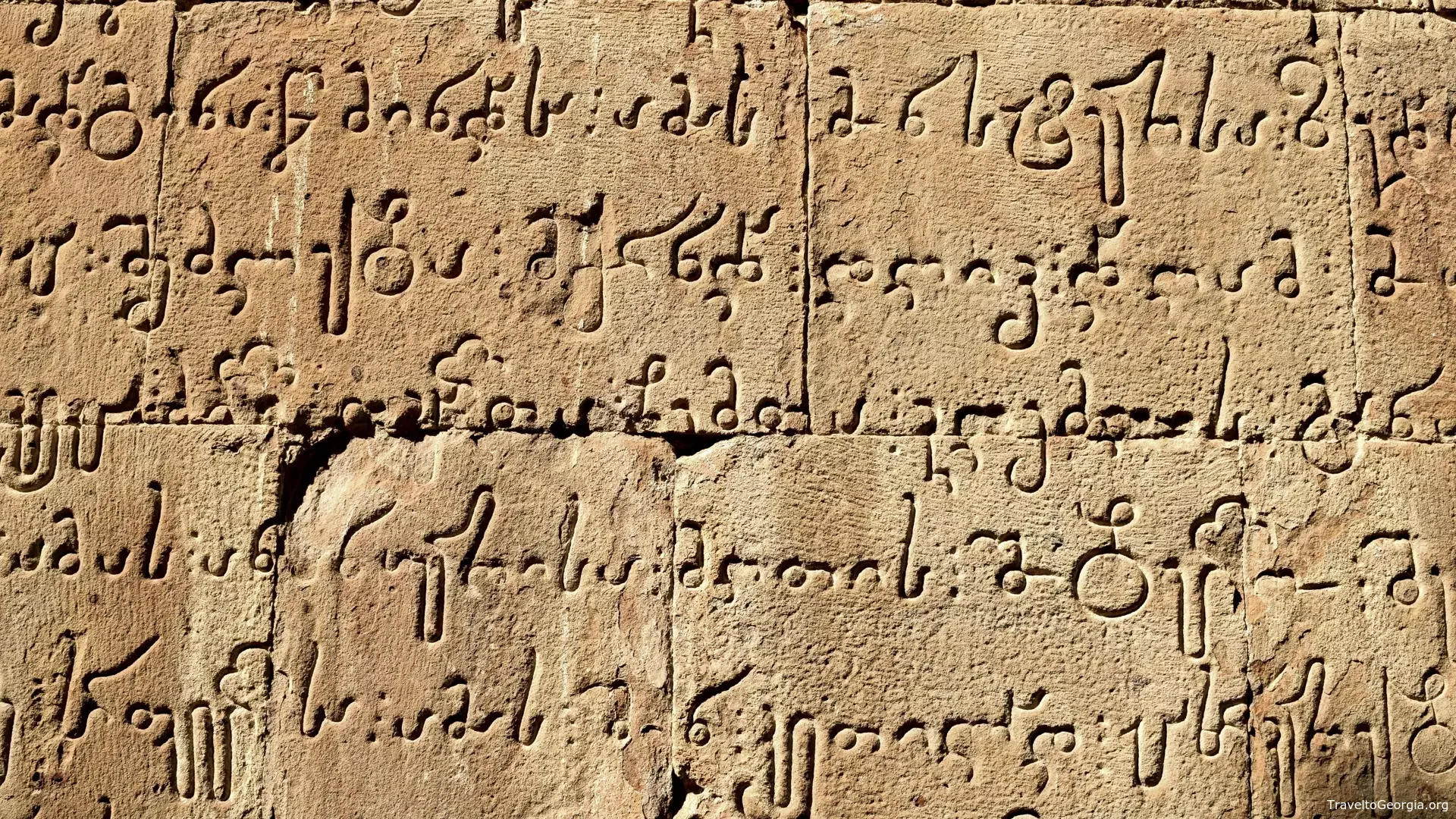
Georgia is one of the few countries in the world with its own ancient alphabet, which dates back to at least the 3rd century BCE. Over time, the writing system evolved into three forms: Asomtavruli, Nuskhuri, and Mkhedruli, the latter being used today. In 2016, UNESCO inscribed all three scripts on the list of Intangible Cultural Heritage. Many historical examples of Georgian writing are preserved in museums across the country.
Experiencing Georgian Culture Firsthand
Reading about Georgian culture can only take you so far—the true experience comes from visiting. Explore Georgia’s cities, villages, and churches; immerse yourself in folklore and traditions; browse local markets for handmade crafts; attend music and dance performances; watch Georgian films; and taste the rich flavors of Georgian cuisine and wine.
Only by seeing, hearing, and participating in these traditions can you truly understand why Georgia’s culture is so unique—and why this small country has captured the hearts of travelers for centuries.


Comments