Ushguli: Europe’s Highest Village
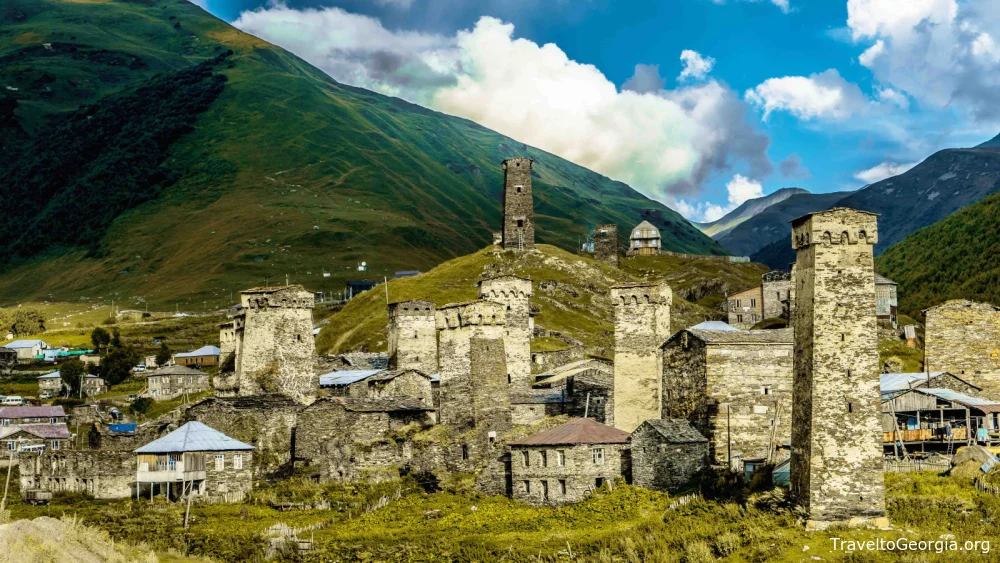
Life in the High Mountains of Georgia
Georgia is a land of extraordinary diversity, not only in landscapes and climate but also in the ways people have adapted to life across its valleys and towering peaks. From lowland plains to the soaring heights of the Greater Caucasus, Georgian communities have developed unique lifestyles, architecture, and traditions suited to their environment. In the alpine regions, villages have been established for centuries, maintaining their original character in terms of building styles, culinary practices, festivals, and cultural rituals. These mountain communities are living testaments to the resilience and ingenuity of the Georgian people, preserving a way of life that has endured for generations despite harsh climates and challenging terrain.
Ushguli – The Legendary High-Altitude Village
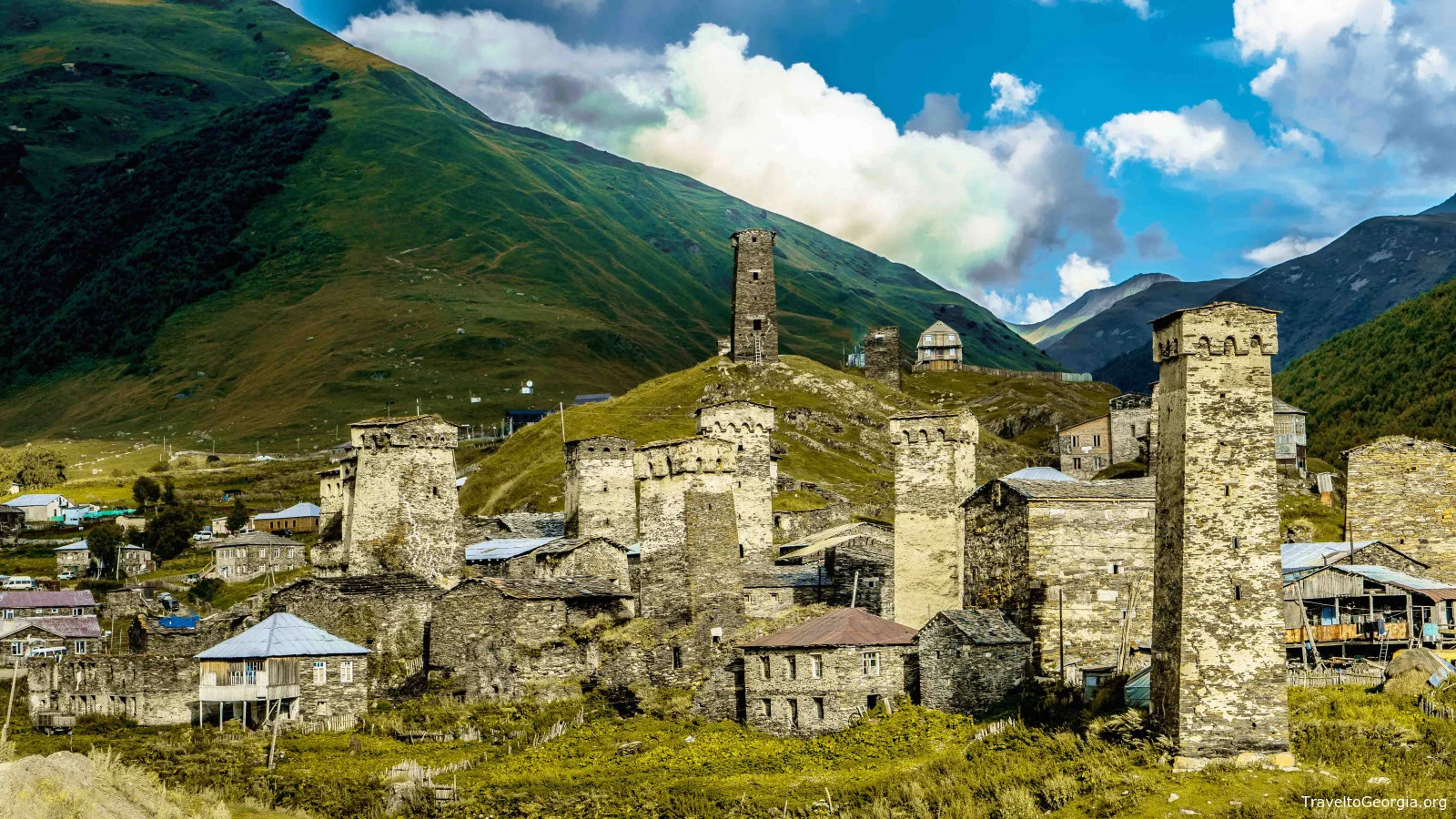
Nestled in the Svaneti region, Ushguli has long been celebrated as one of the highest inhabited settlements in Europe, perched dramatically among the snow-capped peaks. Its most iconic feature is the Svan towers, stone fortifications that date back hundreds of years. These towers, built primarily for defense against invaders, still rise proudly against the mountain skyline, serving as a symbol of Svaneti’s rich history and architectural ingenuity.
Ushguli’s location in the heart of the Greater Caucasus provides breathtaking views, with glaciers, rivers, and alpine meadows surrounding the village. Life here is tightly connected to the rhythm of nature, with residents relying on traditional farming, livestock, and seasonal migration. Despite its remoteness, Ushguli has become a sought-after destination for travelers eager to experience the heritage and resilience of highland Georgian culture.
Bochorna – Europe’s Highest Inhabited Settlement
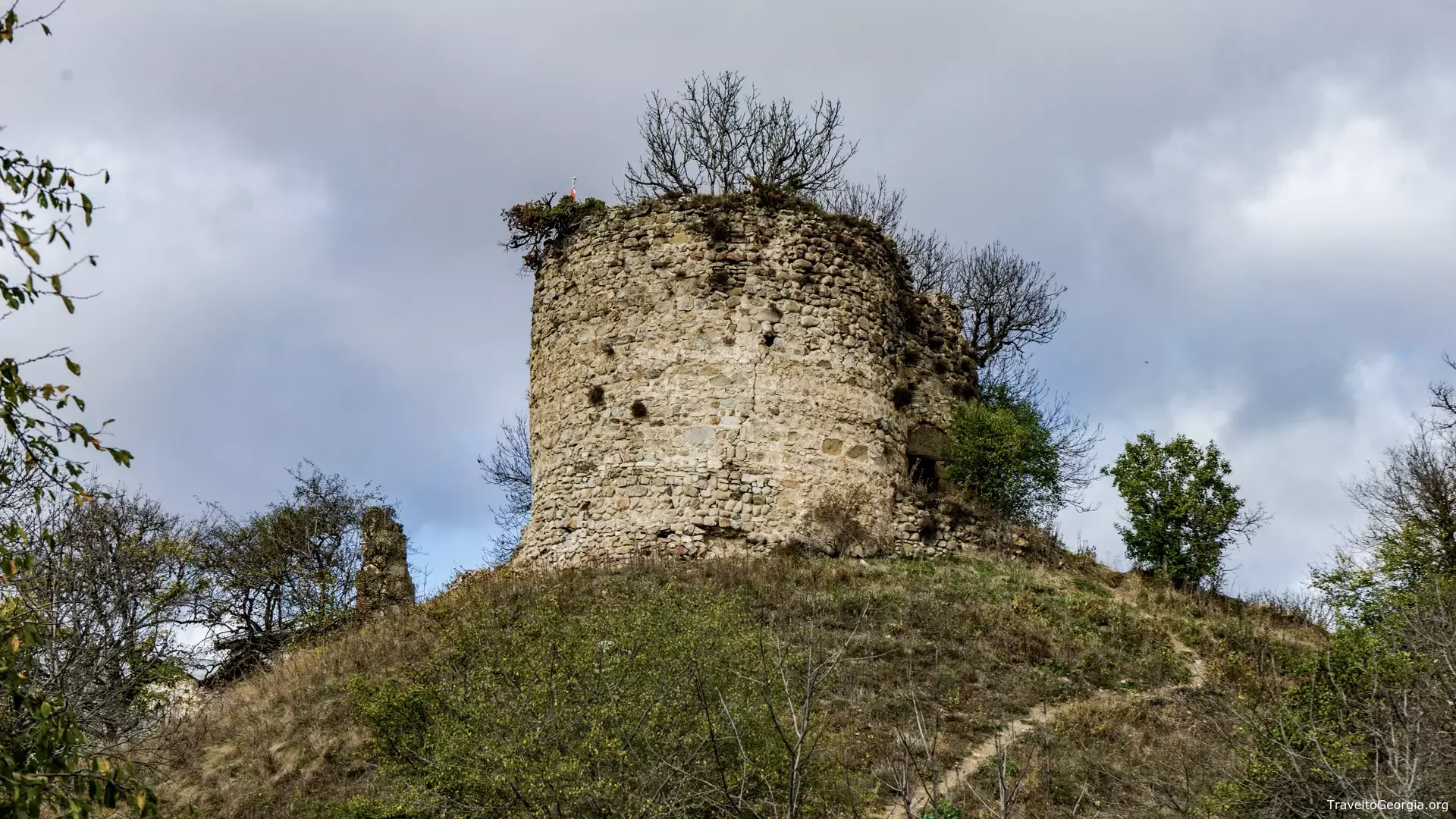
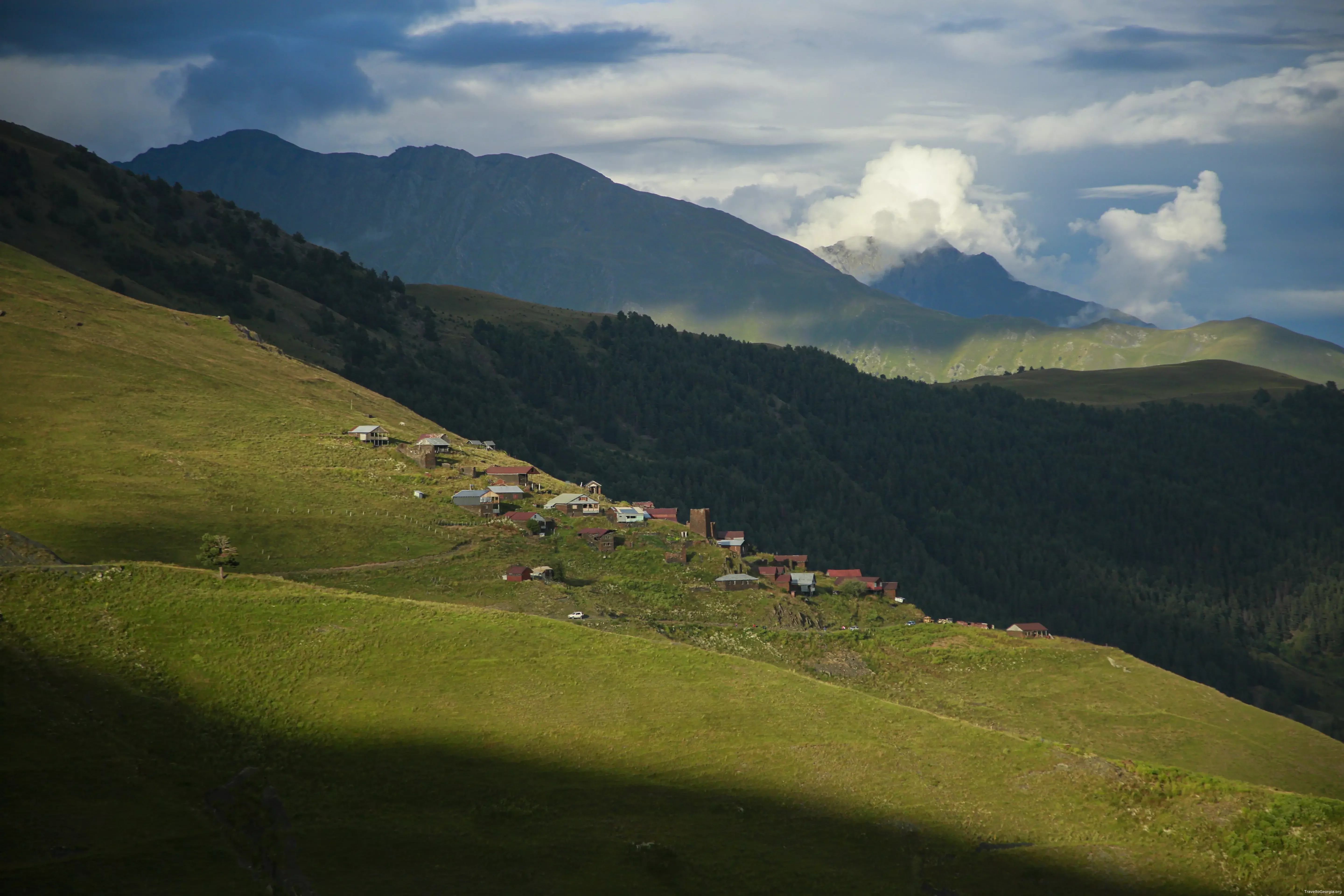
In recent years, Bochorna, an ancient village in the Tusheti region, has claimed the title of Europe’s highest permanently inhabited village. Sitting at 2,345 meters above sea level, Bochorna remained abandoned for decades. Historical documents from 1954 reported 25 households engaged in agriculture and daily mountain life. By 1980, the village had been left empty, designated as an abandoned settlement.
The revival of Bochorna began in 2014, when Irakli Khvedaguridze, then 76 years old, returned to the village and resettled it. Today, he is the village’s sole permanent resident, a remarkable figure who embodies the spirit and resilience of the region. He is also Tusheti’s only doctor, making house calls to residents in nearby villages. In the warmer months, he travels on foot or horseback, while in winter, when snow reaches up to two meters, he skis using handmade skis to reach patients.
A banner proudly marks Bochorna as the highest inhabited point in Europe, drawing attention to this extraordinary village and its enduring human presence in a region where life is not for the faint-hearted.
Architecture, Culture, and Daily Life
Bochorna, like other Tushetian villages, is home to fortress towers, which exemplify the defensive architecture developed to protect communities from invasions. These stone towers, often multi-storied, are positioned strategically and remain remarkably intact despite centuries of exposure to harsh weather. The houses themselves are built from local materials, blending seamlessly with the surrounding landscape. From a distance, the village resembles a snow-covered jewel nestled among rugged peaks and lush alpine meadows.
The lifestyle of mountain dwellers is deeply intertwined with nature. Agriculture, animal husbandry, and dairy production remain key activities, while traditional cuisine, songs, and festivals are preserved and celebrated across the seasons. Every aspect of life, from building techniques to culinary methods, reflects centuries of adaptation to a challenging but stunning environment.
Tusheti – A Must-Visit Mountain Region
Bochorna is located 12 kilometers from Omalo, the administrative center of Tusheti, and 112 kilometers from Akhmeta, the municipal center. The roads are rugged and often impassable in winter, requiring at least four hours of travel, but the journey itself is a spectacular introduction to Georgia’s high-mountain scenery. Tusheti is dotted with 52 villages, most of which are temporarily uninhabited during the harsh winter months, but the region’s historical and cultural significance makes it an essential destination for adventurers and cultural travelers alike.
While Tusheti and Svaneti share the same Greater Caucasus mountain range, they offer distinctly different experiences. Svaneti is famous for its towering glaciers, dense forests, and medieval towers, whereas Tusheti is renowned for its wide alpine meadows, unique tower architecture, and the extraordinary resilience of its small, enduring communities. Both regions, however, offer a glimpse into a way of life that has survived for centuries, untouched by rapid modernization and industrialization.
A Living Connection to History
Visiting Bochorna or Ushguli is more than a sightseeing experience—it is an encounter with living history. The villages of Tusheti and Svaneti reflect centuries of human ingenuity and adaptation, from the construction of defensive towers to the preservation of customs, festivals, and agricultural practices. These high-altitude settlements are not only breathtaking in scenery but also remarkable for the human stories that continue to unfold there, such as that of Irakli Khvedaguridze, whose determination and care for his fellow villagers bring life to Europe’s highest communities.
Whether you are drawn to Georgia for adventure, culture, or history, the high mountains offer an unforgettable journey. From snow-capped peaks to hidden alpine villages, the mountain regions of Georgia are living testaments to resilience, tradition, and the enduring spirit of human life at the edge of Europe.

Comments