The Earliest Civilization of Europe
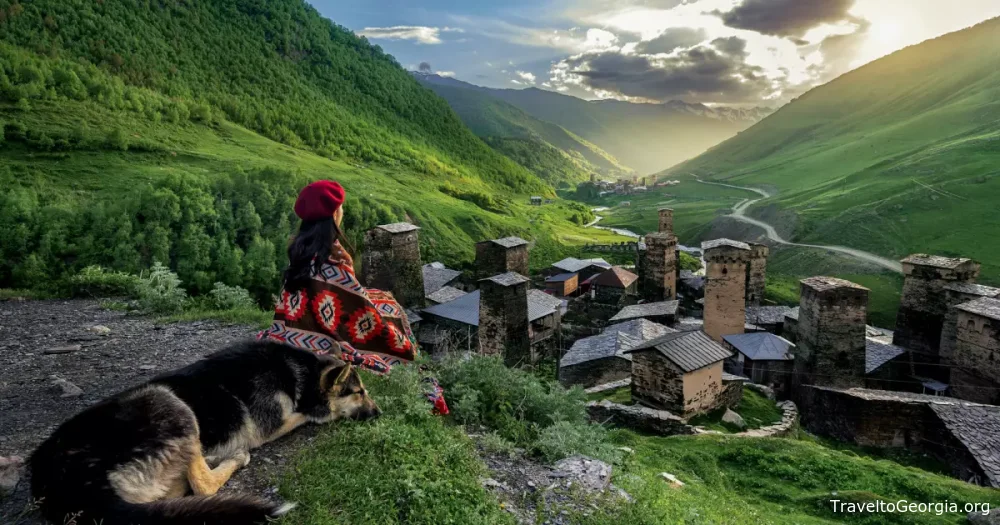
The Person from Dmanisi – Europe’s Oldest Inhabitant
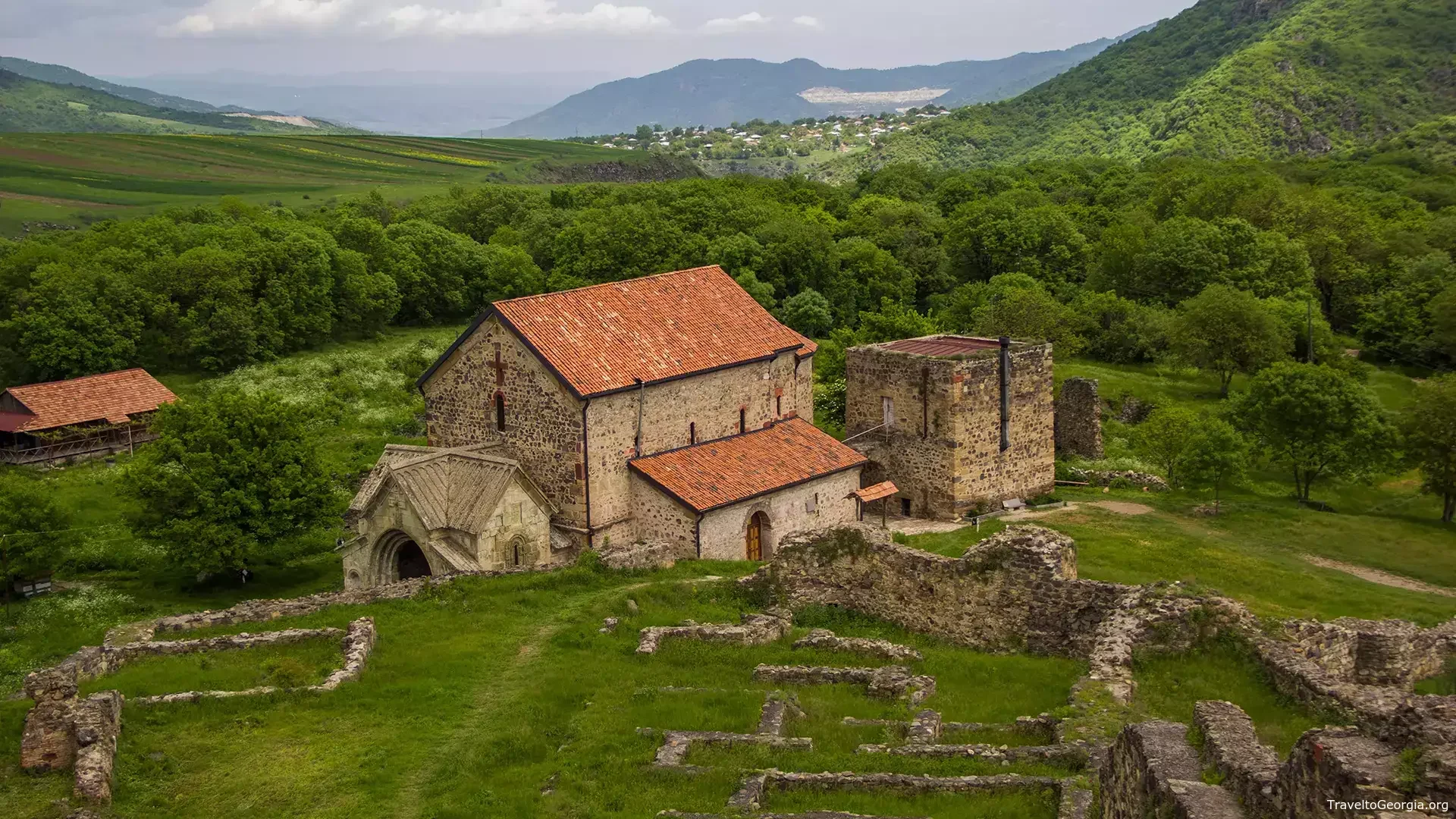
In 1999, Georgia became the focus of the scientific world when archaeologists near Dmanisi, in the southeastern part of the country, uncovered remains of prehistoric Homo erectus—upright human beings.
These discoveries revealed that humans inhabited this area approximately 1.8 million years ago, making the “person from Dmanisi” the oldest known European inhabitant, often referred to as the first European by scientists. At least five individual skeletons have been excavated at Dmanisi, providing the most complete collection of early hominid skulls ever found.
This discovery fundamentally changed the understanding of human migration, showing that hominids left Africa far earlier than previously believed.
An Ancient Center of Beekeeping
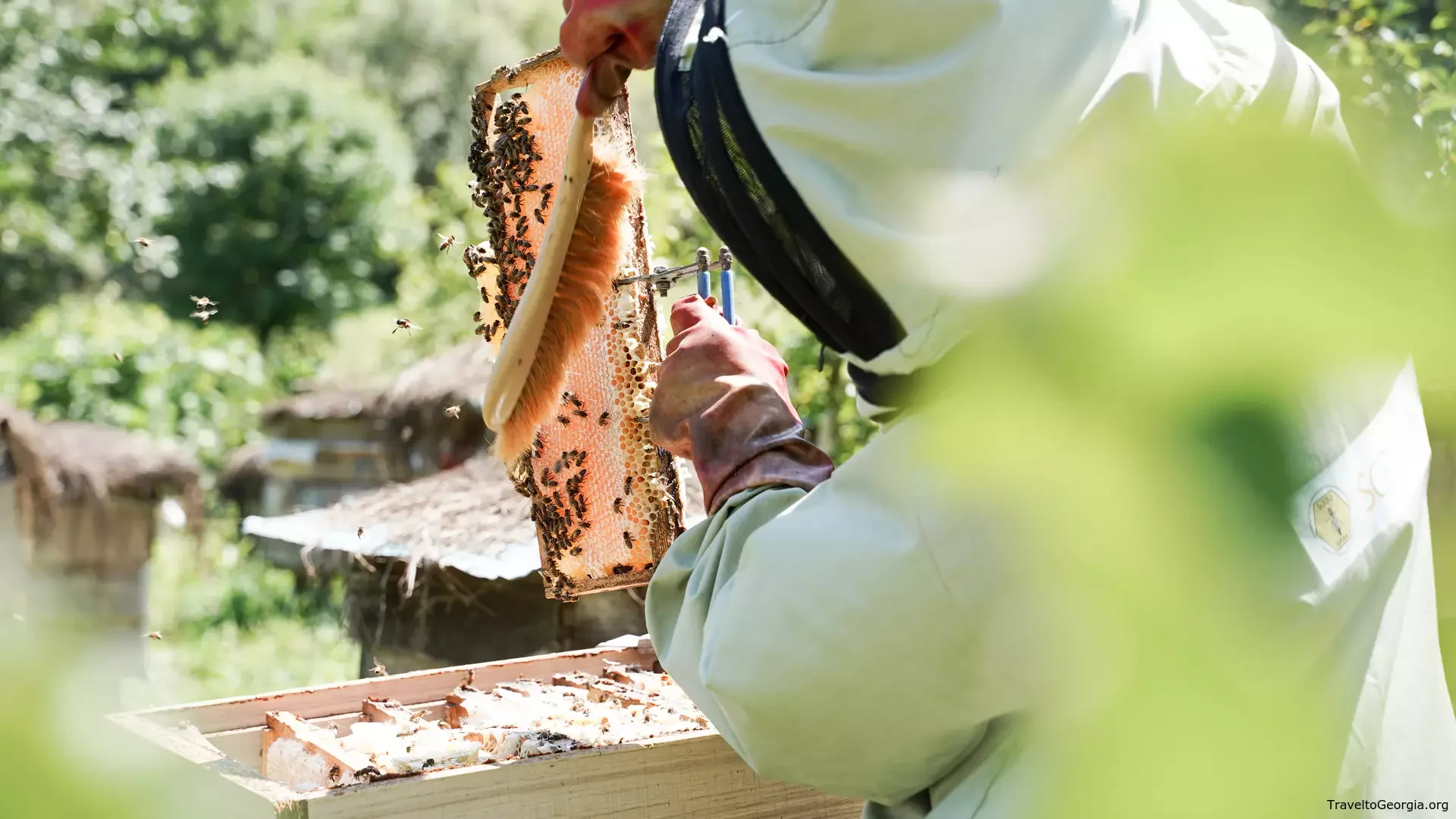
In 2003, archaeologists discovered a 35,000-year-old kurgan in Samtskhe-Javakheti near Sakire. Excavations revealed two ceramic jars containing honey dating back 5,500 years—2,000 years older than honey found in Tutankhamun’s tomb in Egypt.
The Oldest Yarn in the World

In 2009, 34,000-year-old flax yarn and awls were discovered in Dzudzuana Cave near Chiatura in western Georgia. This find provided evidence that prehistoric humans in Georgia were making and wearing clothing.
Georgia – The Birthplace of Wine
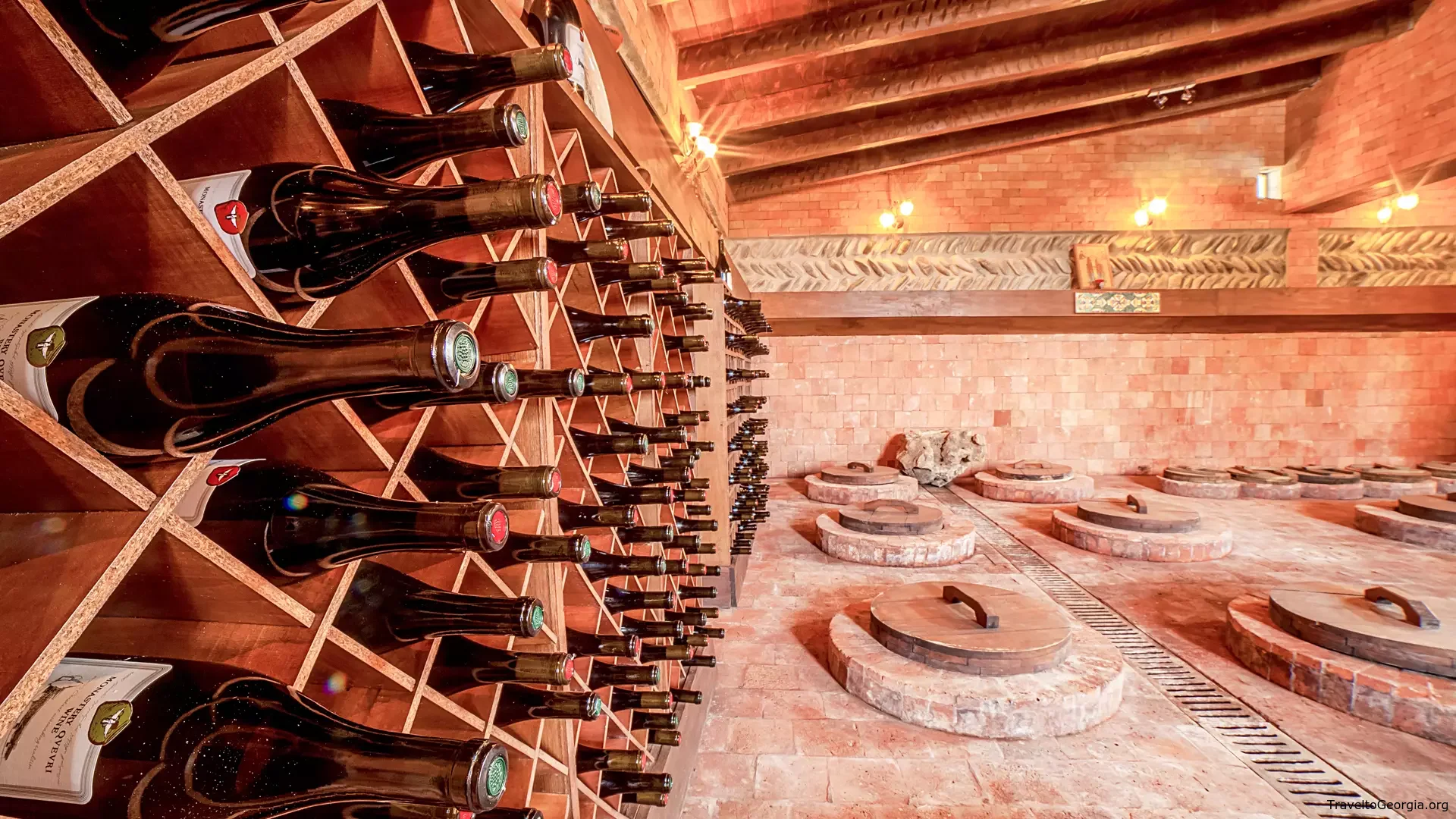
Georgia holds the title of the world’s oldest wine-producing region. Traces of winemaking, dating back 8,000 years, were discovered in Qvevri—large clay vessels still used today. Archaeological evidence shows that Georgia not only produced wine continuously for millennia but also exported it to countries around the Mediterranean.
Early Metallurgy and the Golden Fleece

Georgia has a long history of gold and silver extraction. Ancient mines, dating back 5,400 years, show advanced metallurgical skills.
The legendary Greek tale of the Argonauts took place in the region of Colchis, the first Georgian kingdom (6th–1st centuries BCE), home to King Aeëtes and Medea. Contrary to myth, the “Golden Fleece” described by the Greek geographer Strabo was actually a secret Colchian method for extracting gold from rivers using sheepskin—a technique still in use in Svaneti today.
Copper and bronze metallurgy developed in Georgia in the 4th millennium BCE, leading to major socioeconomic changes as tools and implements enabled early agriculture and craftsmanship.
The Georgian Alphabet – A Unique Achievement
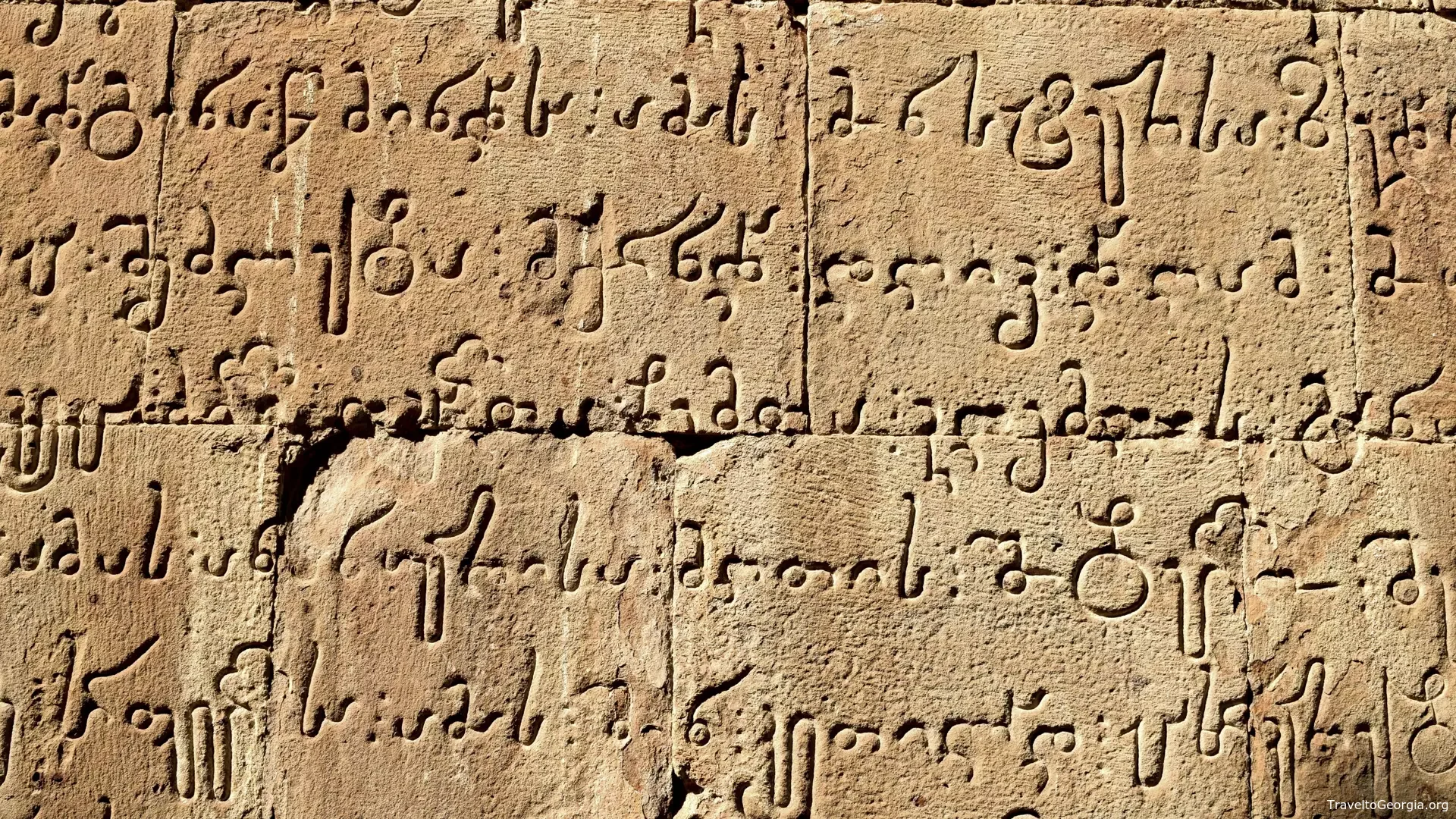
One of Georgia’s greatest accomplishments is its self-sufficient alphabet, one of the oldest complete writing systems in the world.
By the 5th century, Georgians already had a writing system, as evidenced by the Bolnisi Sioni Church inscription (493–494). Pre-Christian inscriptions found at Nekresi (Kakheti region) date from the 4th century BCE to the 3rd century CE.
Preserving Georgia’s Cultural Treasures
All of the artifacts mentioned above—including the Dmanisi hominids, ancient grape pips, gold and silver jewelry, bronze and iron tools, and Nekresi archaeological materials—are now preserved in the Georgian National Museum.
These objects were discovered across Georgia, in regions such as Dmanisi, Marneuli Valley, Ananuri, Martkopi, the Trialeti Kurgans, Vani, Akhalgori, Mtskheta, Zhinvali, Nokalakevi, Sairkhe, and Shilda.
Yet a museum can only hold so much. While traveling through the land of Europe’s oldest civilization, stay alert—Georgia still holds countless remarkable discoveries waiting to be found.



Comments