Delicious Georgian Cuisine
Wine, Wheat, Honey
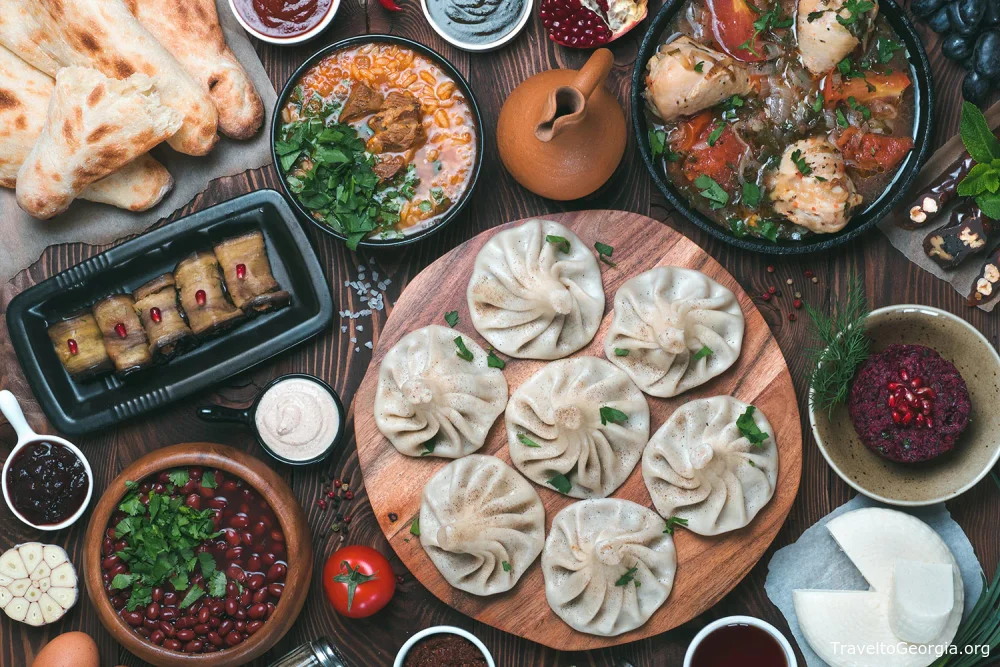
Georgia has long been a land where food, myth, and history intertwine. It was here that people created the legend of Amirani, carved entire cities like Uplistsikhe from stone, and cultivated countless varieties of grapevines. It was here that Shota Rustaveli wrote The Knight in the Panther’s Skin, where master builders raised Svetitskhoveli Cathedral, and where recipes like satsivi and cheeses such as sulguni were born.
Publicist Akaki Bakradze once remarked: “Whoever created sulguni cheese and satsivi has contributed as much to preserving Georgia as the victorious knights of Didgori.” This statement reflects how deeply food is tied to Georgia’s cultural survival.
Khachapuri at the Georgian Supra
Georgia is not just a country of mountains, wine, and traditions—it is also one of the world’s true gastronomic treasures. At the Georgian table (supra), food is never simply food: it embodies customs, rituals, creativity, and even spirituality. Dishes are celebrated with the same passion as music, art, and poetry.
Over centuries, the botanical richness of Georgia has only expanded. While native plants such as grapes, wheat, and herbs have been central since ancient times, new crops like beans, maize, rice, tomatoes, and eggplants arrived through trade and travel. Georgians embraced them, blending them seamlessly into their cuisine, and creating dishes that spread from one region to another, becoming part of the national identity.
Georgia is widely recognized as the birthplace of wine, wheat, and honey. The tradition of winemaking in qvevri (clay vessels buried underground) stretches back more than 8,000 years. In fact, UNESCO recognized Georgian qvevri winemaking as part of the Intangible Cultural Heritage of Humanity in 2013. And beyond wine, Georgian culinary creativity shines in energy-packed sweets like churchkhela, a string of walnuts dipped in thickened grape juice and flour, known today as a natural energy bar with global appeal.
What Kind of Flavor Does Georgia Have?
When spring arrives, Georgia’s kitchens fill with the freshness of greens and wild herbs. Nettles, purslane, savory, ransoms, kale, and other plants are transformed into pkhali—a beloved dish prepared in countless ways. Sometimes these greens are mixed with walnuts and oil, sometimes simply chopped and seasoned with vinegar and salt, or even turned into soups and salads.
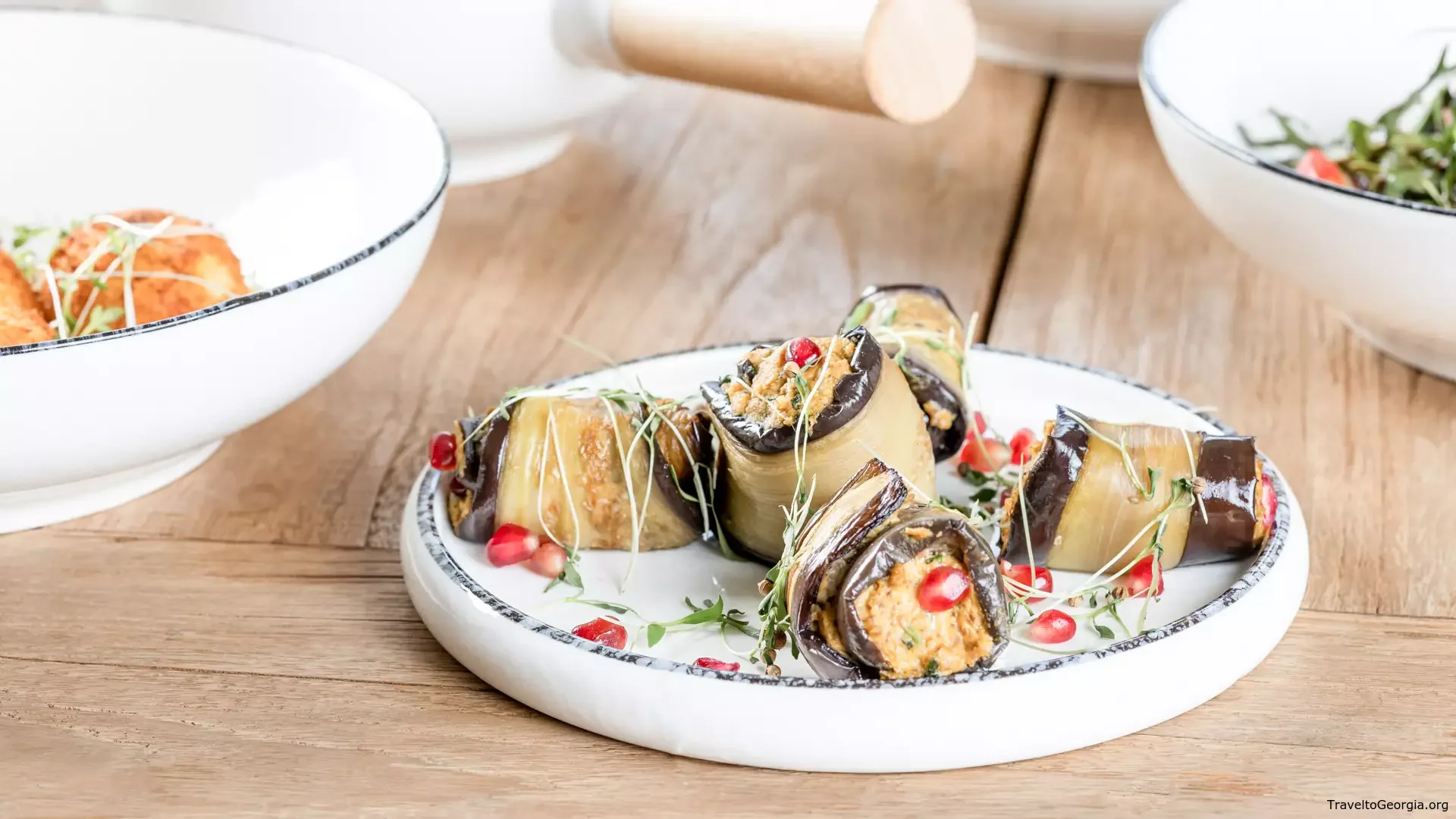
Summer brings a burst of color and flavor. Eggplant with walnuts, a signature dish of the Georgian supra, is served year-round. Families also begin preparing for winter by cooking sauces like tkemali (sour plum), ajika (a spicy paste), and homemade tomato sauces.
The aroma of herbs—pennyroyal, basil, fennel, and especially coriander—fills kitchens and markets. Coriander, the soul of Georgian seasoning, balances both meat and vegetarian dishes.
By autumn, the air is filled with the sweet smell of badagi (boiled grape juice). With dozens of indigenous grape varieties, Georgia celebrates its identity through wine, grape condiments like tatara, and family traditions of making churchkhela to store for winter.
Asian? No, Georgian!
Georgia’s position on the Silk Road made it a culinary crossroads, blending influences from East and West, but always shaping them into something uniquely Georgian.
Some of the most iconic dishes include:
-
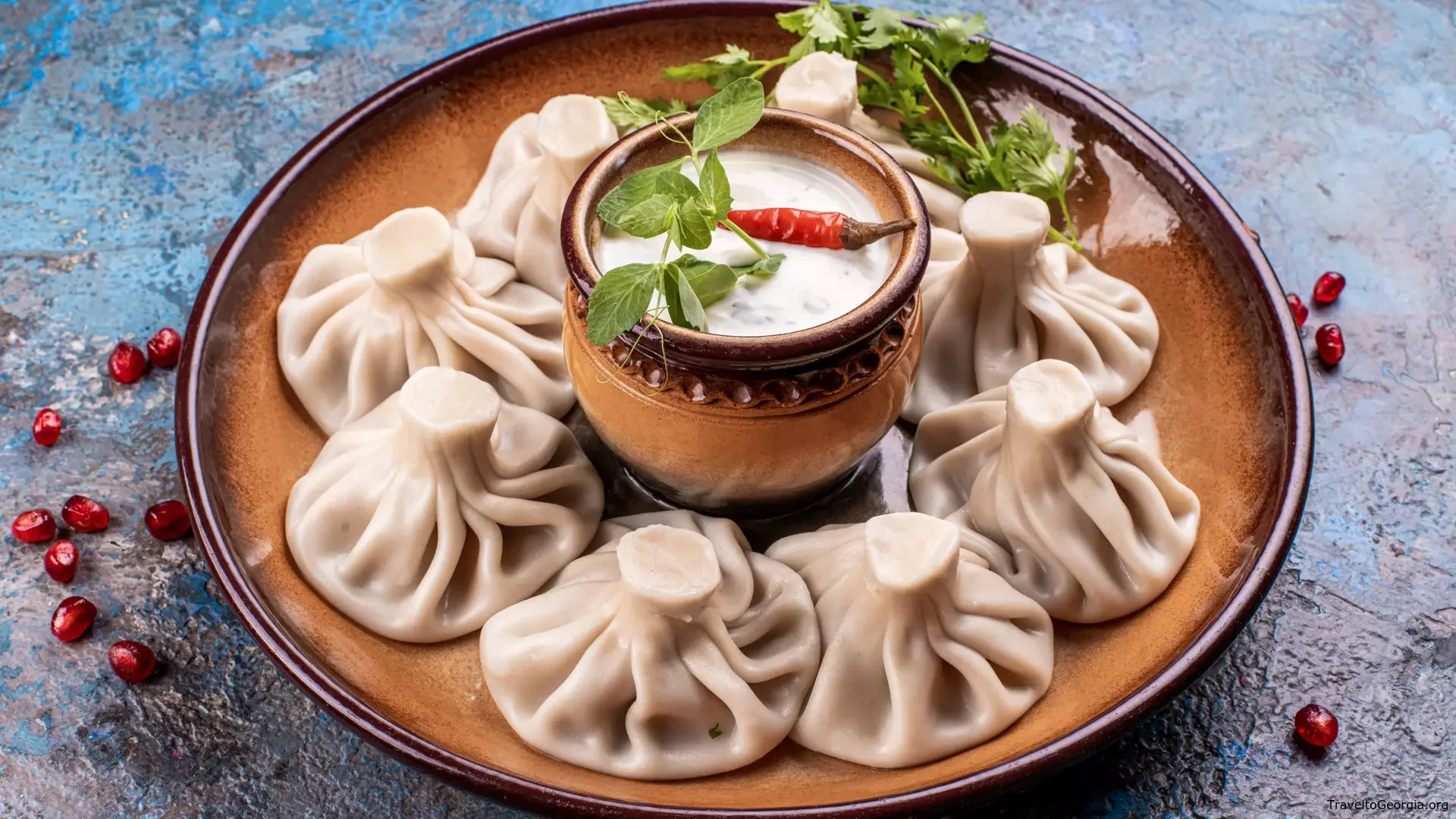
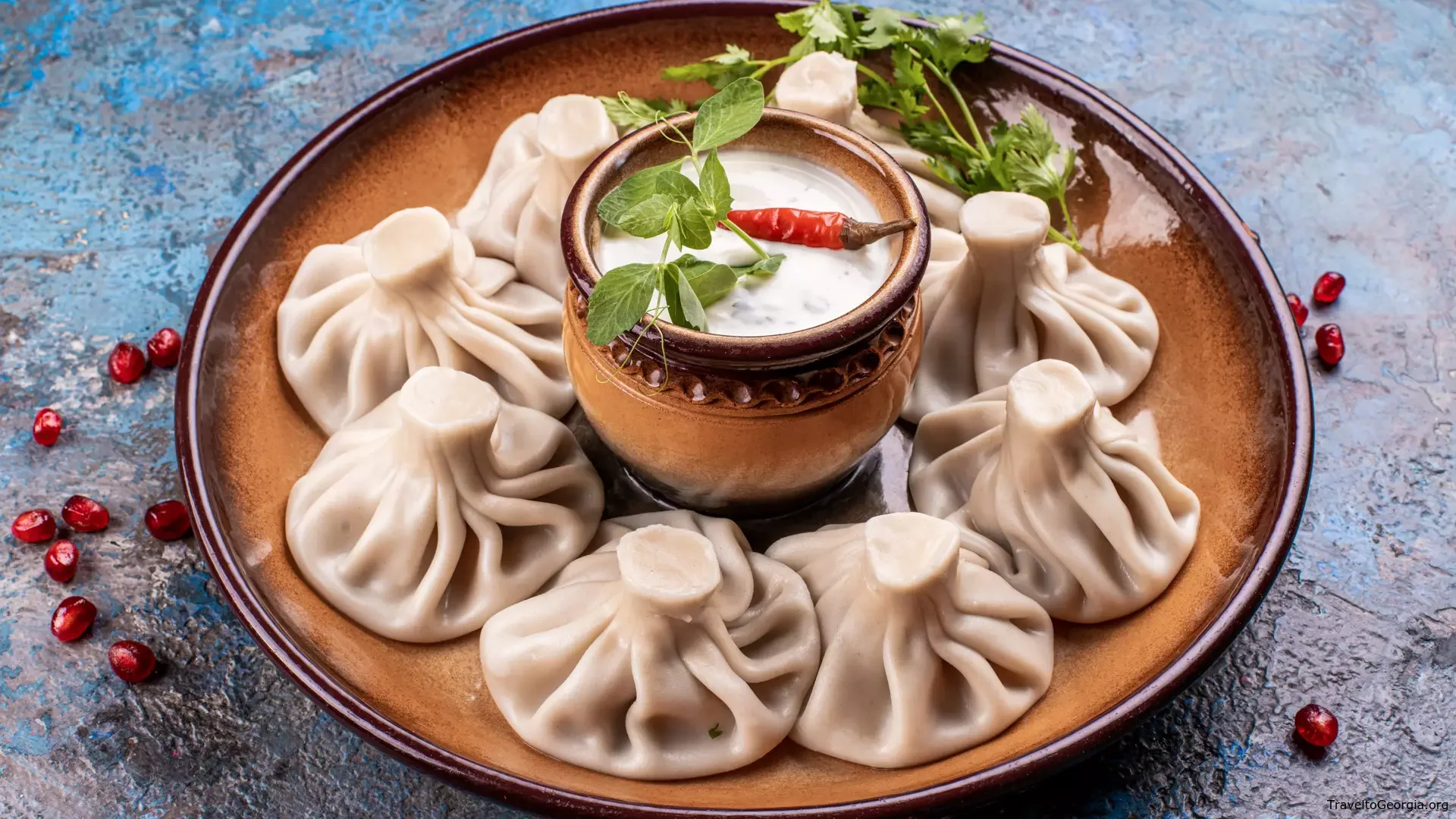
Khinkali – juicy dumplings, eaten with the hands
-
Kababi – skewered and spiced minced meat
-
Satsivi – rich chicken in walnut sauce
-
Shkmeruli – chicken in garlic cream
-
Chakhokhbili – fragrant stewed chicken
-
Chikhirtma – a tangy egg-and-lemon soup
-
Tolma – grape leaves stuffed with meat and herbs
-
Khashi – a restorative tripe soup
-
Ajapsandali – a Tbilisi-born eggplant and vegetable stew
And that’s just the beginning. Each region of Georgia has a culinary identity of its own:
-
Kartli: shechamandi soup made from matsoni or buttermilk
-
Svaneti: kubdari (meat-filled bread), narchvi cheese, tashmijabi (cheese-mashed potatoes)
-
Samegrelo: elarji (cheesy polenta), gebzhalia (cheese rolls in mint sauce)
-
Guria: satsivi and kupati sausages
-
Imereti: chicken in isrim-makvali sauce, a variety of pkhali
-
Kakheti: the famous Kakhetian mtsvadi (grilled meat)
-
Mtskheta-Mtianeti: dambalkhacho aged cheese
-
Meskheti: apokhti (sun-dried meat), mulberry sauce bakmazi, unique khinkali
-
Abkhazia: fiery ajika and apkhazura sausages
-
Samachablo: khabizgina and mkhlovani pies
-
Ajara: borano (fried cheese in butter) and curd-based kuruti
This regional diversity shows how Georgia’s cuisine is both united and diverse, tied to land, climate, and culture.

But Even So, Why Georgia?
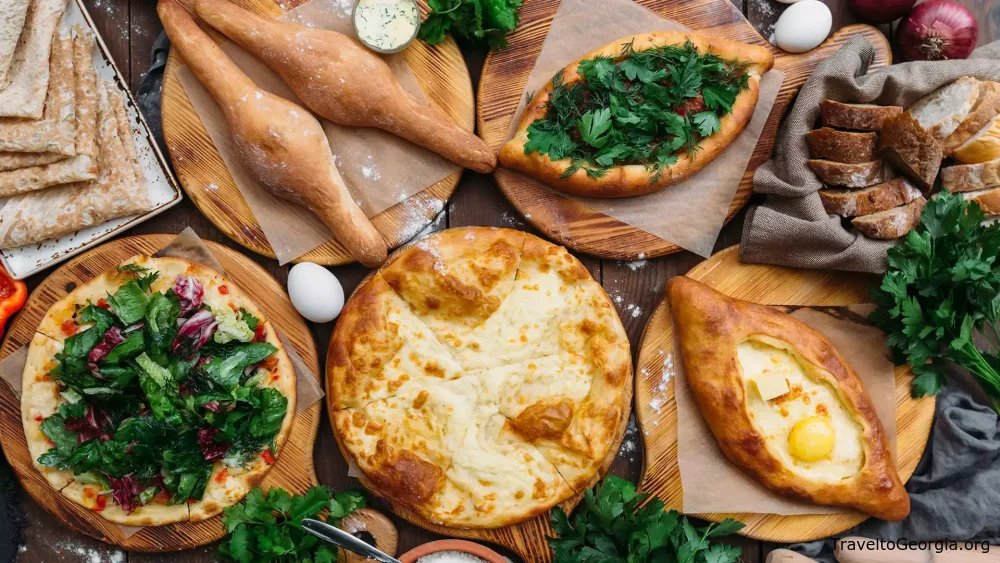
Every Georgian table, no matter the region, has one dish that embodies hospitality and warmth: khachapuri.
This cheese-filled pastry is more than food—it is a symbol of Georgia itself. From the flaky Meskhetian chalma khachapuri to the iconic Ajarian boat-shaped khachapuri, each version tells a story. The Imeretian khachapuri, with its soft dough and tangy cheese, remains the most widespread, while the Ajarian variety, with its sunny egg yolk in the middle, has become famous worldwide.
Khachapuri is not just bread with cheese. It is the heart of Georgian cuisine, a dish that brings people together, reflecting the creativity, warmth, and generosity of the Georgian people themselves.


Comments