History of Georgia
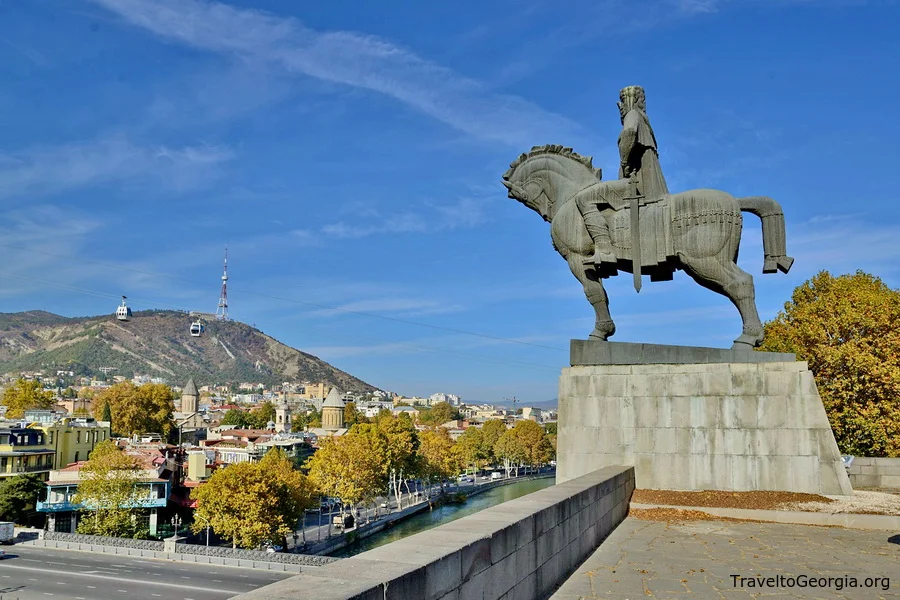
History of Georgia
“If you acquaint yourself with Georgian history, you will certainly believe in God because there simply is no objective reason for why this nation has survived to this day,” wrote English scholar David Lang — and it’s hard to disagree.
Nestled in the Caucasus, at the crossroads of Europe and Asia, Georgia has long been a land of fascination for empires and conquerors. Despite centuries of invasions and hardships, the country has preserved its identity, offering the world a unique cultural and historical legacy: its own writing system, polyphonic singing, intricate dances, wine-making traditions, metallurgy, gold mining, and much more.
Ancient Georgia – The Cradle of Civilization

Georgia’s story stretches back millions of years. In 1991, archaeologists uncovered 1.8 million-year-old hominid skulls in Dmanisi, Kvemo Kartli, proving that this land was home to the first Europeans migrating from Africa.
By the end of the 2nd century BCE, the first political unions emerged, including the Daokhi and Colcha realms. The Kingdom of Iberia developed in eastern Georgia, while Colchis (Egrisi) arose in the west. Over the centuries, a complex web of principalities formed, including Lazeti, Apsilae, Abasgoi, Sinags, Kakheti, Hereti, and the Kingdom of Abkhazia. By the 9th century, the Tao-Klarjeti principality emerged, eventually known as the Kingdom of the Georgians.
The Rise of a United Georgia
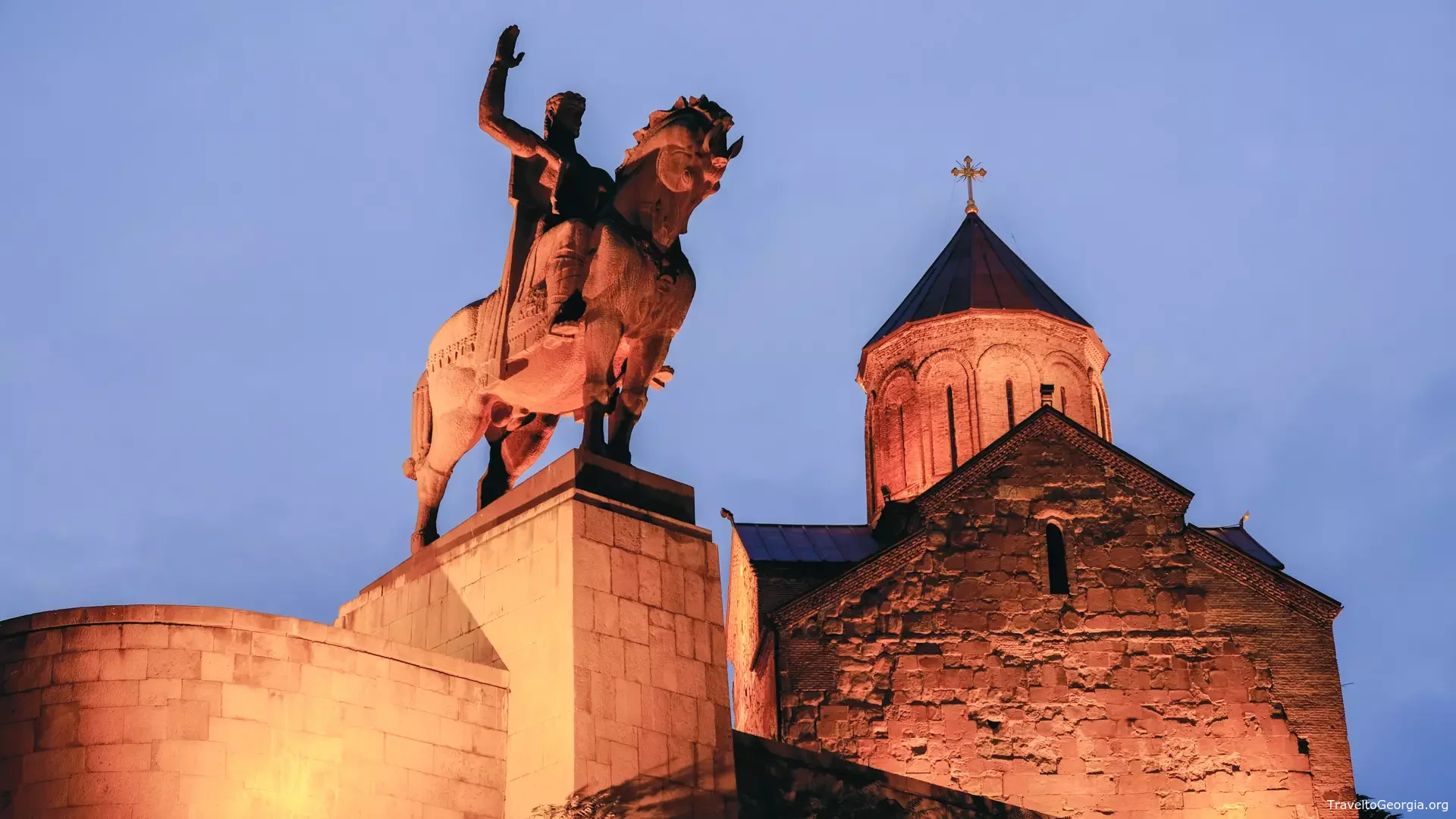
At the turn of the 11th century, Bagrat III united Georgian states and Abkhazia, becoming the first king of a unified Georgia. In the 12th century, King David IV (Davit Aghmashenebeli) expanded the kingdom, incorporating Kakheti-Hereti, Tashir-Dzoraget, and the emirate of Tbilisi. Later, George the Brilliant briefly reunited Georgia in the 14th century, though outside invasions caused divisions once again.
By the late 15th century, Georgia fragmented into Kartli, Kakheti, Imereti, and the Atabegate of Samtskhe, with further subdivisions in Imereti. In 1555, the Peace of Amasya divided the country: Persia controlled Kartli and Kakheti, while the Ottoman Empire ruled western Georgia and Samtskhe.
Georgia Under Foreign Rule
In the 18th century, Kartli and Kakheti reunited under a single kingdom. In 1783, King Erekle II signed the Treaty of Georgievsk with Russia, making the kingdom a protectorate. Unfortunately, Russia annexed Georgia in 1801, absorbing Kartli-Kakheti and later other Georgian kingdoms and principalities.
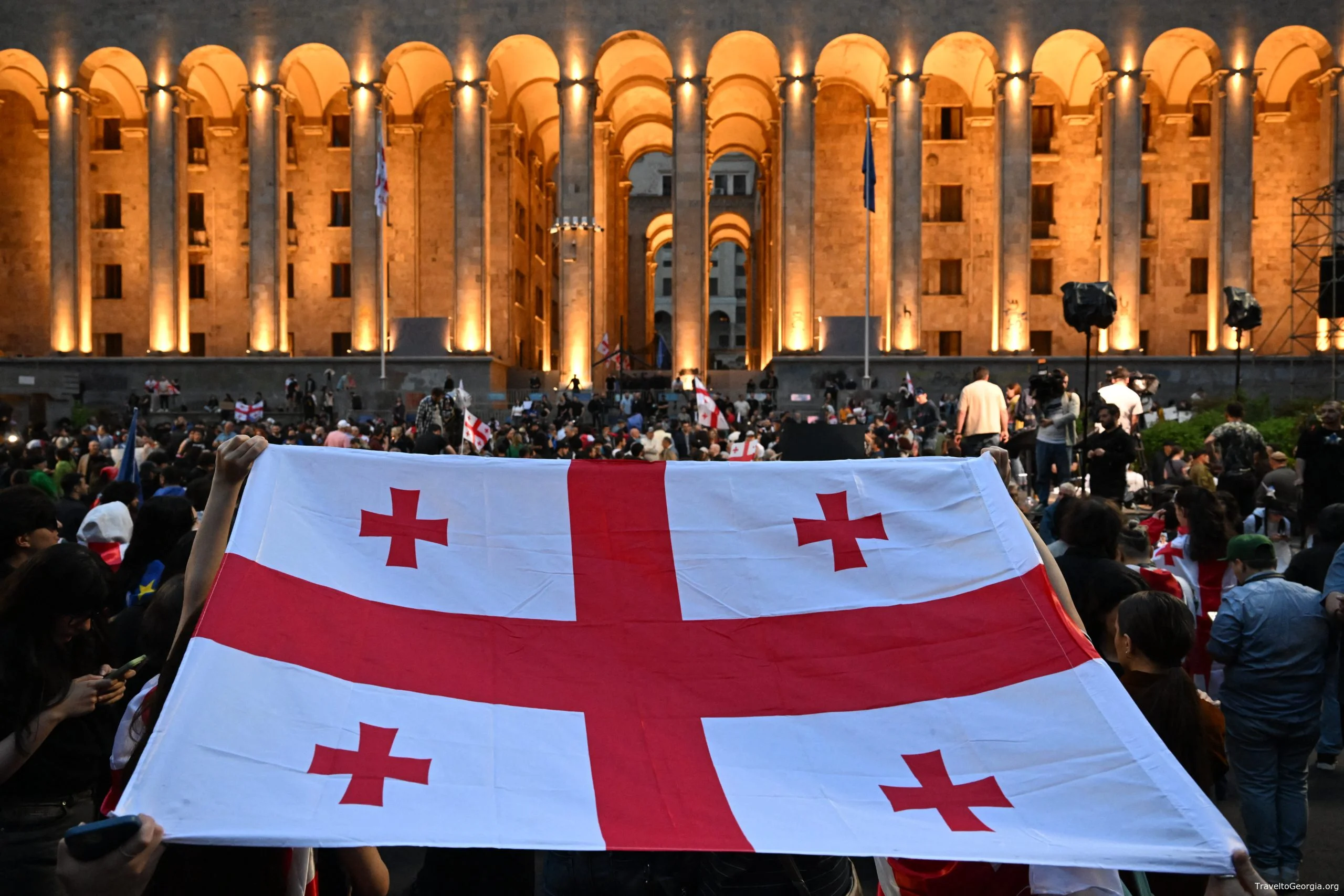
Following the fall of the Russian Empire in 1918, Georgia declared independence and established its first republic, which lasted only three years. In 1921, the Soviet 25th Army occupied the country, creating autonomous republics in Abkhazia, Adjara, and South Ossetia, starting 70 years under Soviet rule. Georgia finally regained independence in 1991.
Triumphs Amid Trials
Throughout its history, Georgia faced conquest by Romans, Persians, Arabs, Seljuk Turks, Mongols, Ottomans, and Russians. Caucasian tribes and neighboring states frequently invaded, and the once expansive Georgian territory—from Nicopsia to Derbent—was often seized. Yet, the Georgian spirit endured.
The country’s victories and cultural achievements are extraordinary. Georgia produced advanced metallurgy, mined gold, and developed its own writing system with three distinct scripts. Literary masterpieces like The Knight in the Panther’s Skin have been translated into over 50 languages.
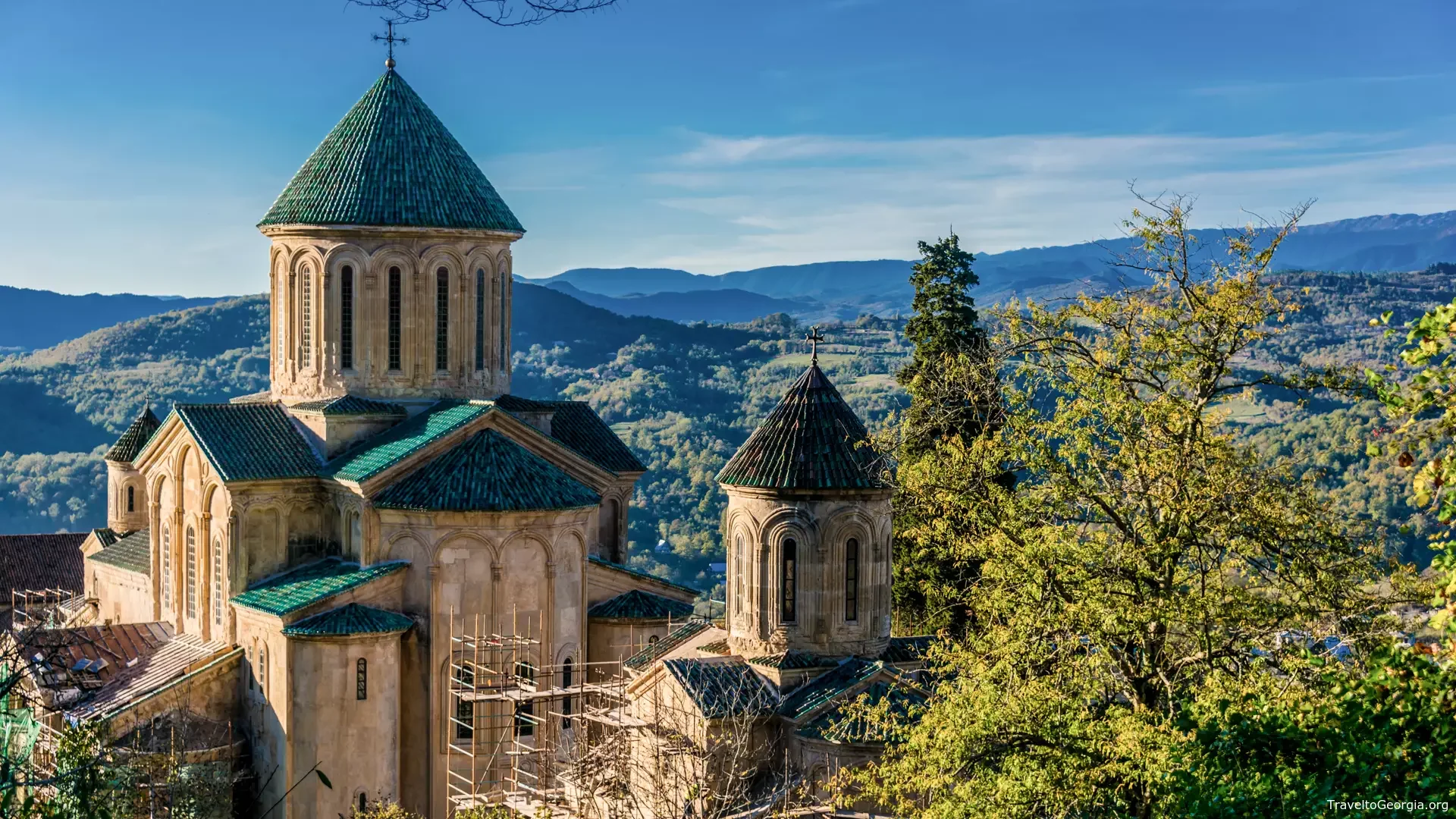
Georgia also created renowned academies in Gelati and Ikalto, and the rhetorical schools of Colchis were celebrated across the region. Iconic cities like Vardzia and Uplistsikhe, carved into cliffs, stand as living monuments of ingenuity and faith.
A Cultural and Natural Treasure
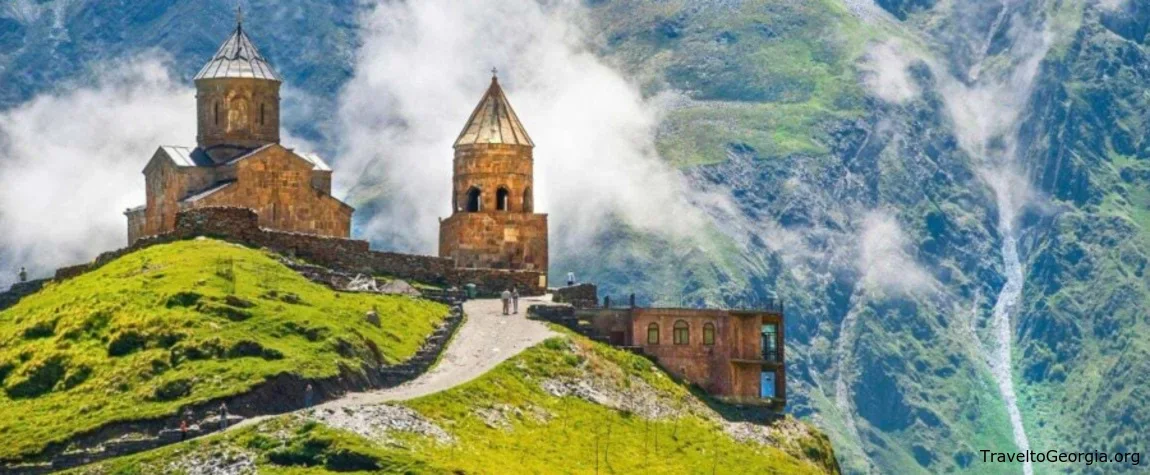
Georgian polyphonic songs have even reached space, and its fiery dances have captivated global audiences. Despite centuries of hardship, Georgia’s people have maintained tolerance and hospitality, preserving Orthodox and Gregorian churches, mosques, and synagogues side by side.
Georgia is also the birthplace of wine and wheat, and its people pioneered yarn spinning and dyeing. Today, the country continues to inspire the world with its culture, cuisine, music, and spirit.


Comments