Georgia's UNESCO Heritage

UNESCO Heritage in Georgia: Treasures of History, Culture, and Nature
Georgia, though small in size, holds an extraordinary place on the global map of cultural and natural heritage. With over a million years of human habitation, this ancient land has been a cradle of civilizations, a birthplace of traditions, and a preserver of treasures that today stand proudly on the UNESCO World Heritage List. From the world’s first Europeans to the unique Georgian alphabet, monumental cathedrals, and centuries-old winemaking traditions, Georgia is a country where every corner whispers history.
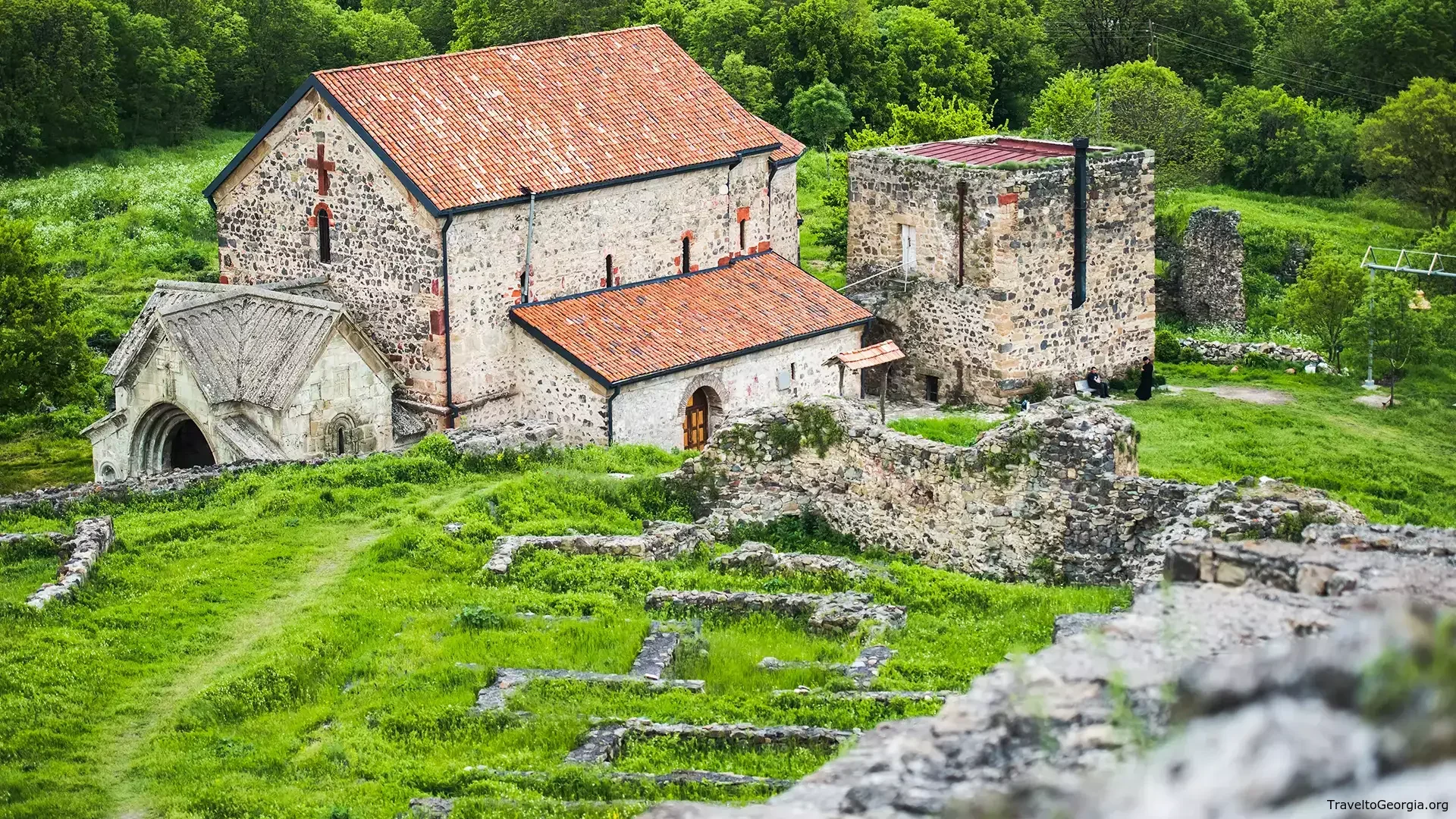
The First Europeans: Zezva and Mzia in Dmanisi
While many know Georgia for its wine, mountains, and warm hospitality, its significance to human history goes much deeper. In 1991, archaeologists in Dmanisi uncovered a skull dated to around 1.8 million years ago. This astonishing discovery reshaped the history of human migration, as it provided evidence that early humans had left Africa and settled in Europe much earlier than previously believed.
The species found here, called Homo Georgicus (“the human being from Georgia”), represents the first Europeans. Five skulls have been unearthed at the site, and scientists have reconstructed the faces of two of them, affectionately named Zezva and Mzia. Their discovery disproved the long-standing theory about the timeline of Eurasian colonization, pushing human history back by hundreds of thousands of years.
Today, you can meet Zezva and Mzia at the Dmanisi Museum-Reserve of the Georgian National Museum, where history comes alive, connecting visitors directly to the earliest known chapter of European humanity.
The Georgian Writing System: A Living Cultural Treasure
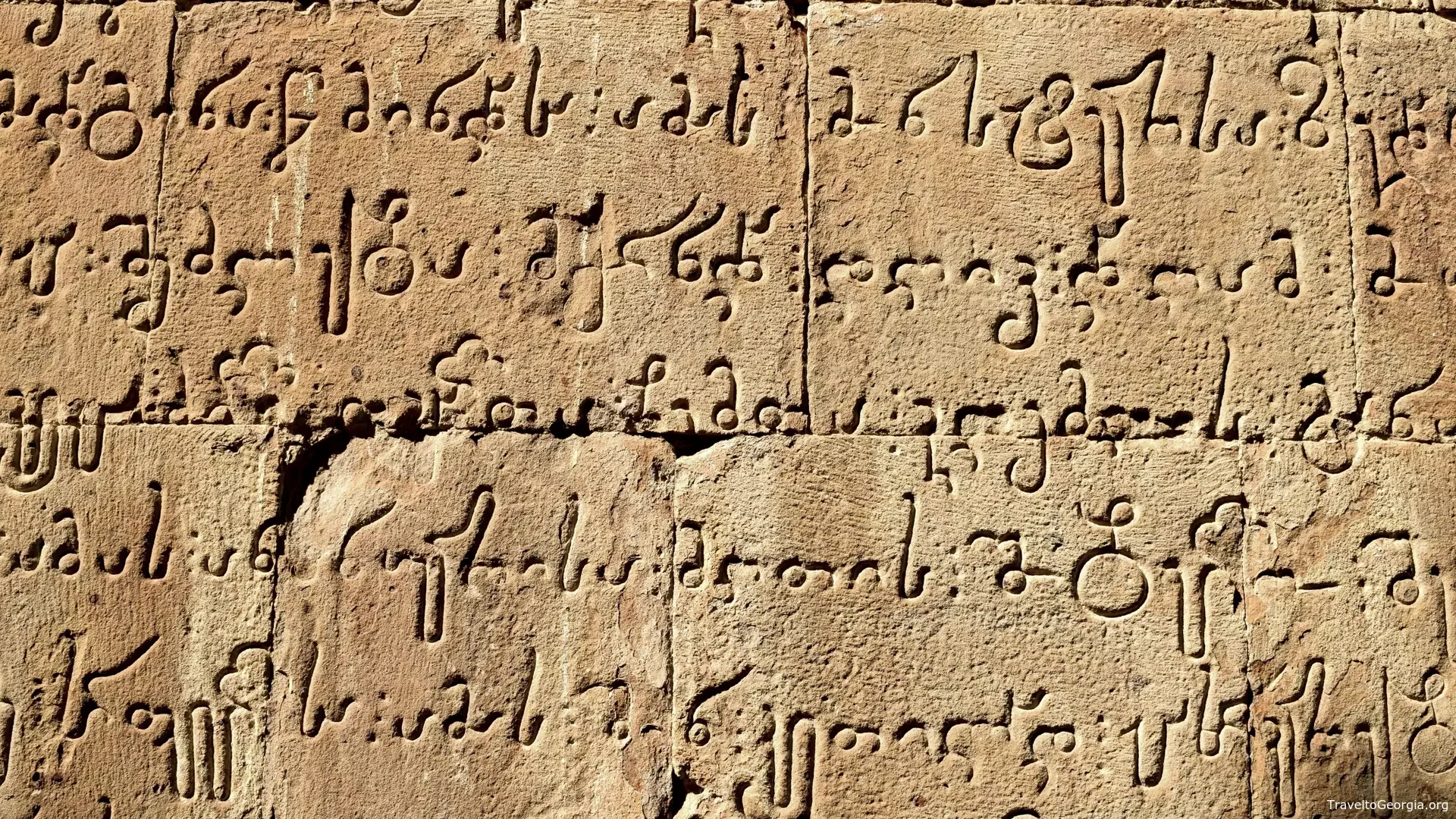
Language and writing are at the heart of cultural identity, and Georgia is one of the rare countries that has its own unique alphabet. Scientists may never know what language the first Europeans in Georgia spoke, but written evidence shows that the Georgian alphabet was already in use by the 3rd century BCE.
One of the most important discoveries was an inscription found in the ruins of Nekresi, which may date back to the pre-Christian period—making it one of the oldest examples of Georgian writing.
What makes the Georgian script truly remarkable is its diversity: it includes three historical forms—Asomtavruli, Nuskhuri, and Mkhedruli. All three are still preserved and celebrated as part of the “Living Culture of Three Writing Systems of the Georgian Alphabet,” officially inscribed on UNESCO’s Intangible Cultural Heritage List.
Each form of the alphabet reflects a different stage in Georgian history, yet together they form a living cultural symbol that continues to unite the nation.
Georgian Monuments of Global Significance
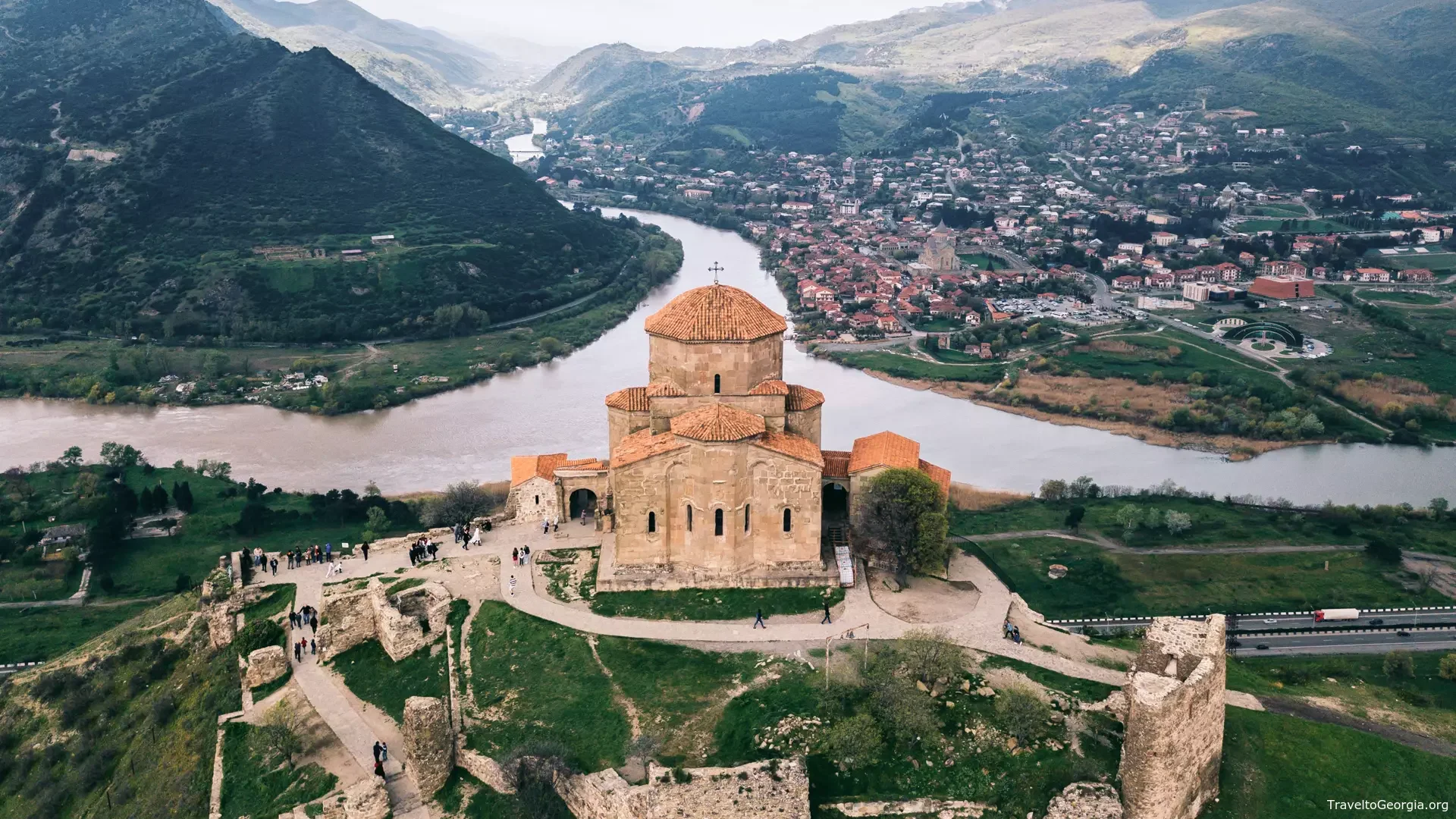
Georgia’s landscapes are not only breathtaking but also dotted with monuments of profound cultural and architectural significance. So far, five Georgian sites have been inscribed on the UNESCO World Cultural Heritage List:
-
The Historical Monuments of Mtskheta – including the 11th-century Svetitskhoveli Cathedral, the 6th-century Jvari Monastery, and the 11th-century Samtavro Monastery. These monuments represent the spiritual heart of Georgia, where Christianity was first proclaimed the state religion in the 4th century.
-
The Gelati Monastery – a masterpiece of medieval architecture from the 12th–13th centuries, located in the Imereti region. Its mosaics and frescoes showcase the brilliance of the Georgian Golden Age.
-
Upper Svaneti – specifically the villages of Ushguli (Lamjurishi, Murqmeli, Zhibiani, Chazhashi, and Chvibiani), where the unique Svan defensive towers rise above the mountain landscape. This region preserves both traditional architecture and a way of life largely unchanged for centuries.
In addition, the Colchic Rainforests and Wetlands along the Black Sea coast have recently been added to UNESCO’s World Natural Heritage List. These lush ecosystems, stretching across more than 80 kilometers, provide an unforgettable adventure for nature lovers and highlight Georgia’s ecological diversity.
The Ancient Art of Qvevri Wine
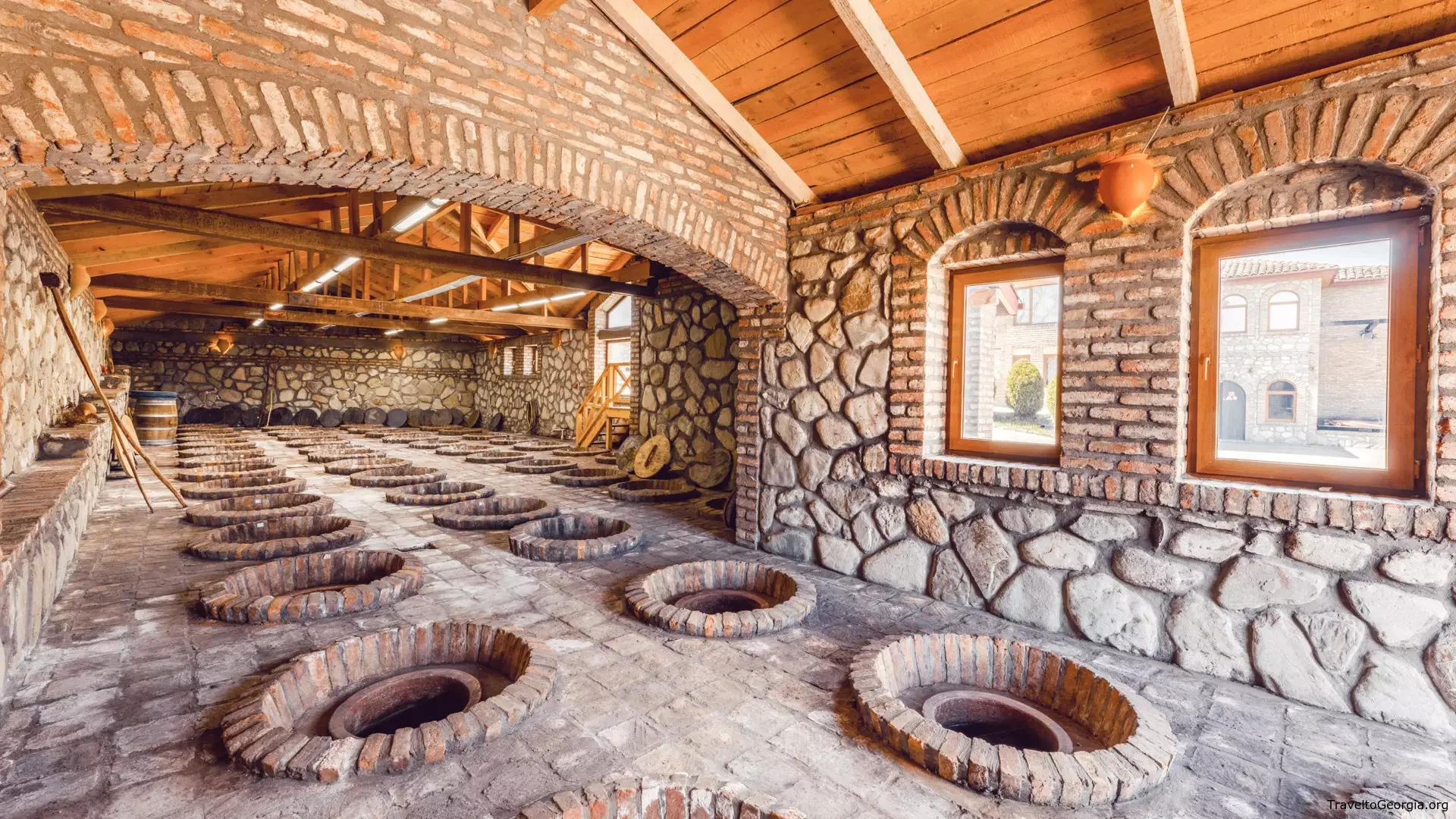
Georgia is recognized worldwide as the cradle of wine, with winemaking traditions dating back over 8,000 years. What makes Georgian wine unique is the use of the Qvevri—large clay vessels buried underground, used to ferment and store the wine.
The Traditional Qvevri Winemaking Method has been inscribed on UNESCO’s Intangible Cultural Heritage List, preserving a practice that is both ancient and alive. Visiting a Georgian wine cellar and witnessing the ritual opening of a Qvevri is a spiritual experience in itself. Paired with shoti bread, guda cheese, and the harmony of a traditional polyphonic song, it captures the very soul of Georgian hospitality.
Georgian Polyphony: The Music of the Soul
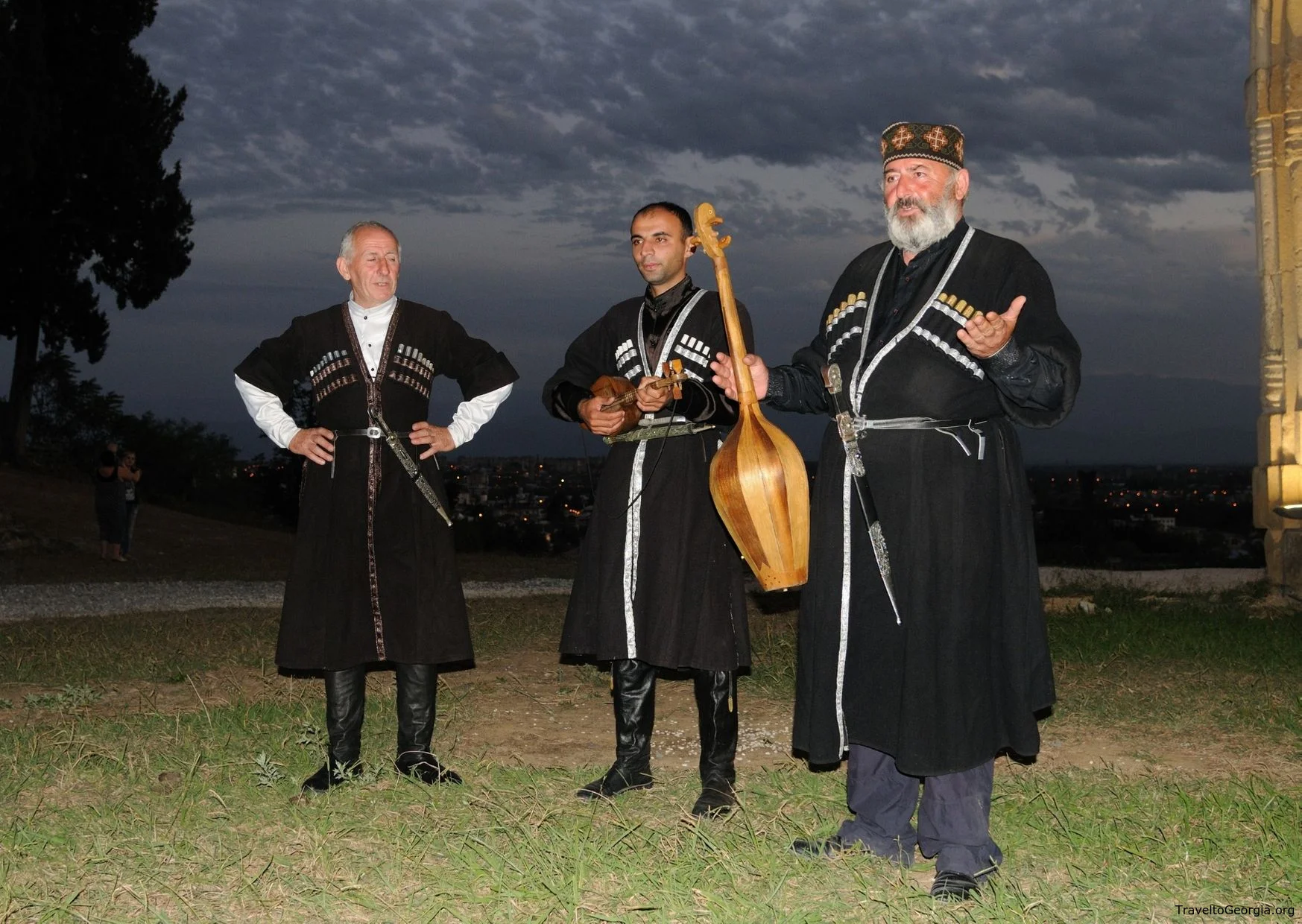
In addition to architecture, writing, and wine, Georgia’s polyphonic singing has been recognized by UNESCO as a masterpiece of the oral tradition and intangible heritage of humanity. With its complex harmonies and deep emotional resonance, Georgian polyphony is unlike any other musical tradition in the world. It is not just music—it is an expression of unity, history, and identity.
A Country of World Treasures
What makes Georgia truly special is that in one small country, you can encounter a wealth of global treasures—human origins, a unique alphabet, sacred monasteries, mountain towers, ancient forests, wine traditions, and soul-stirring music. Each of these elements alone would make Georgia remarkable, but together they form a cultural and historical mosaic that continues to inspire the world.
Visiting Georgia means stepping into a living museum of humanity, where every stone, every song, and every sip of wine connects you to the timeless story of civilization.


Comments