Jonjoli: Discover Georgia’s Rare Endemic Pickled Delicacy
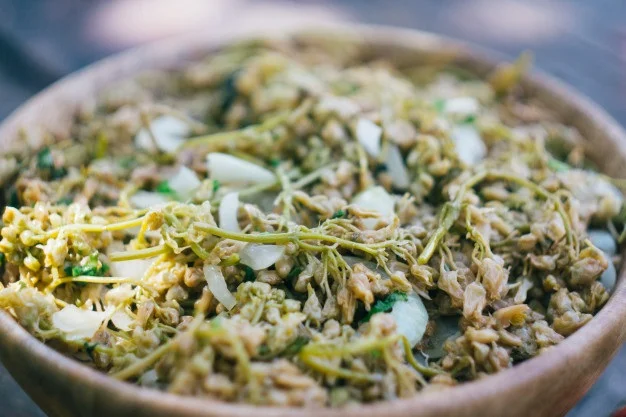
Georgia is more than just the cradle of wine; it is a biodiversity hotspot where the relationship between humans and plants dates back over 6,000 years. Among the many wonders of Georgian agrarian life, Jonjoli (Staphylea colchica) stands out as a true botanical and culinary gem.
To the uninitiated, it might look like a simple sprout, but to a Georgian, it is a delicacy that defines the traditional feast (Supra).
What is Jonjoli?
Jonjoli is a low-growing shrub endemic to the Caucasus. Often referred to as the "Colchis Bladdernut," it is a protected species included in the Red Book. While it grows mostly in the humid forests of Western Georgia (Colchis), it is also found in the southern and eastern regions.
In the month of May, as the bushes begin to bloom, locals head to the forests, riverbanks, and ravines to harvest the unopened flower buds. A single bush can yield between 5 to 10 kilograms of flowers, which are then meticulously fermented into a pickle that leaves foreigners in awe.
A Natural Medicine Cabinet
Beyond its unique taste, Jonjoli has been used for centuries for its healing properties. Modern science and traditional practices (including influences from Chinese medicine) have highlighted several benefits:
-
Respiratory Health: A decoction of the leaves is known to act as an effective cough suppressant and cold remedy.
-
Natural Insulin: Scientists have discovered that Jonjoli contains natural insulin, making it an excellent dietary addition for those managing diabetes.
-
Detox & Recovery: Rich in vitamins and active compounds, it stimulates the body’s regenerative functions, aids in wound healing, and helps flush out toxins.
-
Digestive Aid: As a fermented product, it supports gut health and restores the digestive system.
How to Prepare the Perfect Jonjoli
The traditional method is simple but requires precision. The buds are cleaned of tough stems, layered with salt (exactly 25 grams of salt per 1 kg of Jonjoli), and pressed tightly into jars.
Pro-Tip from Georgian Housewives: To keep the Jonjoli a beautiful golden color, many modern cooks blanch the buds in boiling saltwater first. Once cooled, they are packed into jars with a mix of brine and vinegar (or citric acid). For extra aroma, some add mint, cherry, or quince leaves, and even corn silks to enhance the color.
How to Serve It Like a Local
Jonjoli is rarely eaten straight from the jar. To prepare it for the table:
-
Rinse: Wash the pickled buds in cold running water to remove excess salt.
-
Chop: Lightly chop the sprouts.
-
Season: Toss with thinly sliced onions, fresh cilantro (coriander), a splash of vinegar, and—most importantly—unrefined Kakhetian sunflower oil.
Regional Twists:
-
In Imereti (West Georgia), it is often served as a "Pkhali," mixed with ground walnuts, garlic, and fresh herbs like dill.
-
In Modern Georgian Cuisine, high-end chefs are now experimenting by dressing Jonjoli with soy sauce or concentrated pomegranate juice for a contemporary flair.
🍯 Part 1: How to Pickle Jonjoli (The Fermentation)
To make the best pickle, you need the flower buds of the Staphylea colchica (Bladdernut) bush.
Ingredients & Tools
-
Fresh Jonjoli buds: (Ideally unopened, pinkish-white buds harvested in May).
-
Salt: Exactly 25g of non-iodized rock salt per 1kg of Jonjoli.
-
Optional Aromatics: Cherry leaves, quince leaves, or a sprig of mint.
-
Vessel: A glass jar or a small wooden barrel.
Step-by-Step Instructions
-
Clean and Prep: Sort through the fresh buds. Remove any thick, woody stems or damaged pieces. Wash them thoroughly in cold water and drain well.
-
The Wilt (Optional): Traditionalists spread the cleaned buds on a cloth for 24 hours in a cool, shaded place to let them "wilt" slightly. This makes them more flexible for packing.
-
The Layering:
-
Place a layer of Jonjoli in your jar.
-
Sprinkle a portion of the salt over the layer.
-
Use a wooden masher (or your fist) to press down firmly. The goal is to pack them so tightly that there are no air pockets.
-
Repeat until the jar is full.
-
-
The Press: Place a weight (like a clean stone or a smaller lid) on top of the Jonjoli to keep it submerged in its own juices.
-
Fermentation: Close the jar. Store it in a cool, dark place (like a cellar or refrigerator).
-
It will be ready in about 2 weeks.
-
Check periodically: If the liquid level drops, top it up with a 2.5% saltwater brine to prevent the top layer from darkening.
-
🥗 Part 2: How to Prepare Jonjoli for the Table
You never eat Jonjoli straight out of the fermentation jar—it is too salty and raw. You must "dress" it.
Ingredients
-
Pickled Jonjoli: 1 bowl
-
Onion: 1 small (finely sliced into rings or half-moons)
-
Fresh Cilantro (Coriander): A handful, chopped
-
Kakhetian Sunflower Oil: 2–3 tablespoons (This is the "secret ingredient"—it must be unrefined, cold-pressed oil with a strong nutty aroma).
-
Vinegar: A splash of white wine vinegar (to taste).
Instructions
-
Rinse: Take the Jonjoli out of the jar and rinse it under cold running water. This removes the excess salt from the fermentation.
-
Squeeze: Gently squeeze the Jonjoli with your hands to remove the excess water.
-
Mix: Place the Jonjoli in a bowl. Add the sliced onions and chopped cilantro.
-
Dress: Drizzle the fragrant Kakhetian oil and vinegar over the mix. Toss gently.
-
Serve: It is best served as a side dish alongside Lobio (bean stew) and Mchadi (cornbread).


Comments