Georgia for Digital Nomads in 2026: A Comprehensive Guide to Working Remotely in the Caucasus
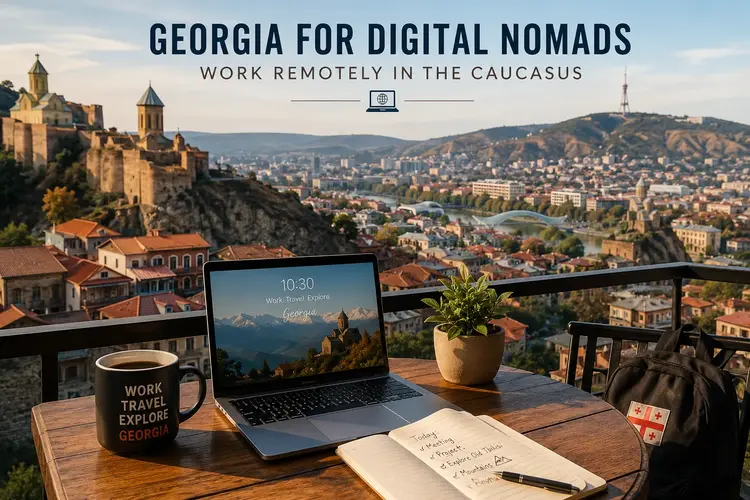
Georgia – a small country wedged between Europe and Asia – has become a magnet for digital nomads. With low living costs, breathtaking scenery and an unusually liberal visa regime, thousands of remote workers now base themselves in Tbilisi, Batumi and other Georgian cities. This 2026 guide explores why Georgia is so attractive to digital nomads, what the visa rules are, how to set yourself up for success, and how to enjoy everything the country has to offer.
Liberal visa policies and the “Remotely from Georgia” program
One of the biggest draws of Georgia is how easy it is to stay long‑term. Citizens of 98 countries can stay in Georgia visa‑free for up to one year. In addition, citizens of around 50 other countries who hold a valid visa or residence permit for certain countries may also enter visa‑free. This means that many digital nomads can simply arrive with a passport or ID card and remain in Georgia for months without any complicated paperwork.
During the pandemic, Georgia introduced a state program called “Remotely from Georgia.” This initiative invited highly paid foreign citizens to work remotely from Georgia and allowed participants to stay for at least 180 days. When the scheme launched in 2020, applicants were required to show a minimum monthly income of US$2,000 and health insurance, and to plan a stay of six months or more. Although much of the pandemic‑specific program has lapsed, it highlighted Georgia’s commitment to attracting remote workers and signalled that the government welcomes long‑term visitors. Always check the Ministry of Foreign Affairs website for the latest rules – a handy “visa wizard” allows you to enter your citizenship and planned activities to see whether you need a visa.
Low cost of living and favourable taxes
Georgia offers one of the lowest costs of living in Europe. According to 2021 data, the country ranked seventh in the world for low living costs, including utilities, groceries and transportation. Many nomads find that Tbilisi offers options for every budget. Budget travellers can live on as little as US$30–40 per day, while mid‑range lifestyles cost about US$50–90 per day. Even a comfortable one‑bedroom apartment in the capital can be rented for US$300–700 per month, and co‑working membership fees range from US$50–100 per month.
Taxation is another appeal. Remote workers employed by foreign companies are usually subject to a flat 20 % income tax, but those who register as individual entrepreneurs pay as little as 1 %. Georgia has double‑taxation agreements with 57 countries, so many nomads can avoid paying taxes twice. Georgia also ranks seventh globally for ease of doing business and second for ease of starting a business, so establishing a local company or freelance licence is straightforward.
Modern infrastructure and co‑working spaces
High‑speed internet is widely available in Georgia, and fibre connections are standard in cities. While connectivity can be limited in mountain regions, the network is reliable in most towns. Tbilisi alone hosts dozens of co‑working spaces. Terminal, with branches across the city and in Batumi, offers conference rooms, meeting rooms and comfortable desks. Impact Hub Tbilisi, located inside the Fabrika complex, operates 24 hours and provides dedicated desks and communal areas. The Episode Hotel combines co‑working areas with a hotel, making it convenient for short‑term visitors, while Tech Park in the Okrokana district (with branches in Zugdidi and Batumi) provides high‑tech facilities for startups and freelancers. For those who prefer cafés, almost every neighbourhood has laptop‑friendly coffee shops.
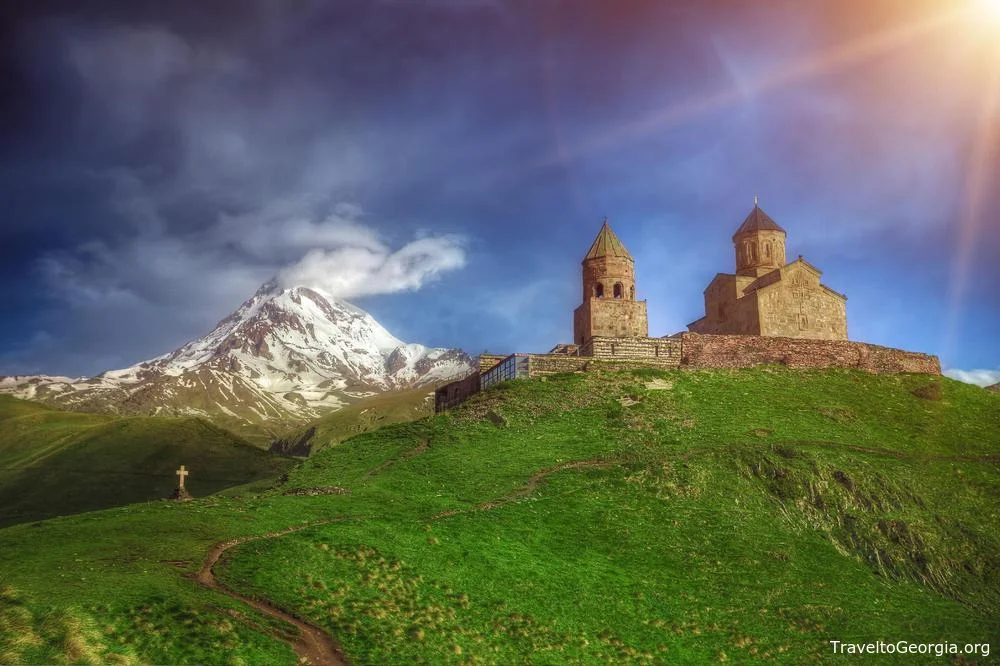
Outside the capital, Batumi has become another digital‑nomad hub thanks to its subtropical climate and proximity to the Black Sea. Coworking spaces there include extensions of Terminal and small independent hubs. Kutaisi, Georgia’s third‑largest city, offers slower living and cheaper rents, while mountain towns like Mestia or Kazbegi provide spectacular nature for those who don’t mind patchy internet.
Lifestyle: culture, nature and nightlife
Georgia’s charm goes far beyond its logistics. The country blends European and Asian influences, resulting in a culture known for hospitality, soulful polyphonic music and 8,000‑year‑old wine traditions. Remote workers often rave about the safety and friendly atmosphere; Georgia ranks ahead of its neighbours in the World Economic Forum’s Travel & Tourism Development Index and belongs to the “medium” group in the Global Peace Index.
The variety of work environments keeps daily life interesting. Nomads can spend mornings answering emails in a trendy Tbilisi café, afternoons hiking up Mount Mtatsminda or strolling through the Old Town, and weekends exploring vineyards in Kakheti or the beaches of Adjara. Public and intercity transport is inexpensive: bus and metro rides in Tbilisi cost about 20–40 cents and taxi rides using apps like Bolt usually cost US$2–5. Overnight marshrutkas (minibuses) reach mountain villages for US$5–15, and trains between major cities are just US$10–25.
Georgia also offers a growing nightlife scene. Tbilisi has gained fame as the “New Berlin,” with clubs like Bassiani, Khidi and Mtkvarze attracting international DJs. Those seeking relaxation can visit the historic sulphur baths in the Abanotubani district; private rooms cost around 70 GEL (about US$25). For culture lovers, the national museum and numerous galleries showcase Georgia’s ancient history and contemporary art.
Tips for thriving as a digital nomad in Georgia
- Check visa requirements before you travel. Most Western nationals can stay visa‑free for a year, but regulations change, so use the Ministry of Foreign Affairs visa‑wizard tool. If planning a stay beyond 183 days, you may become a tax resident and need to register.
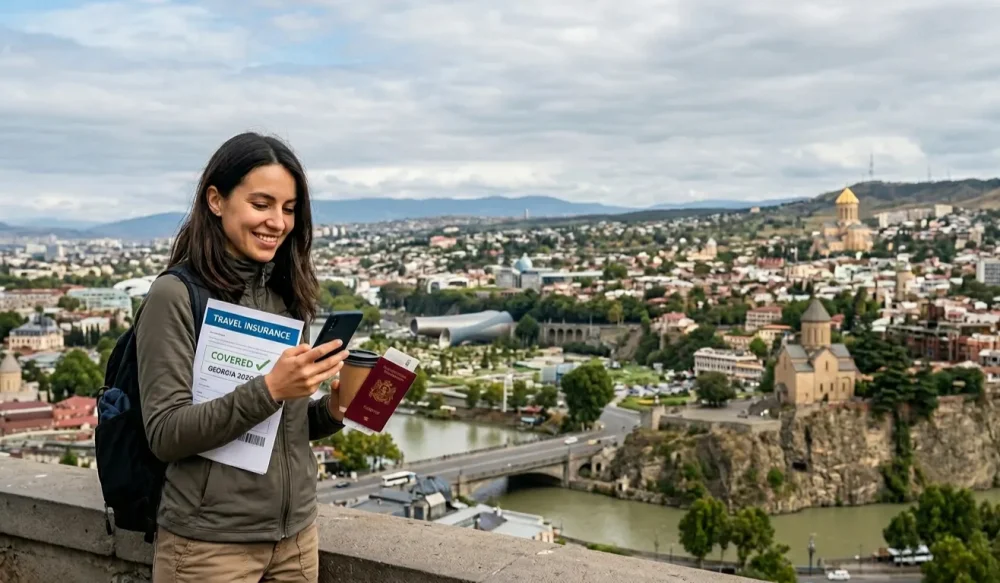
- Secure health insurance. Although Georgia’s healthcare is improving, a good international plan provides peace of mind. The “Remotely from Georgia” programme originally required valid health insurance.
- Register as an individual entrepreneur if you plan to invoice clients while living in Georgia. This status can reduce your income tax rate from 20 % to 1 %.
- Join community groups on social media to stay informed. Tbilisi has active digital‑nomad Facebook groups where locals share housing leads, tax advice and event information.
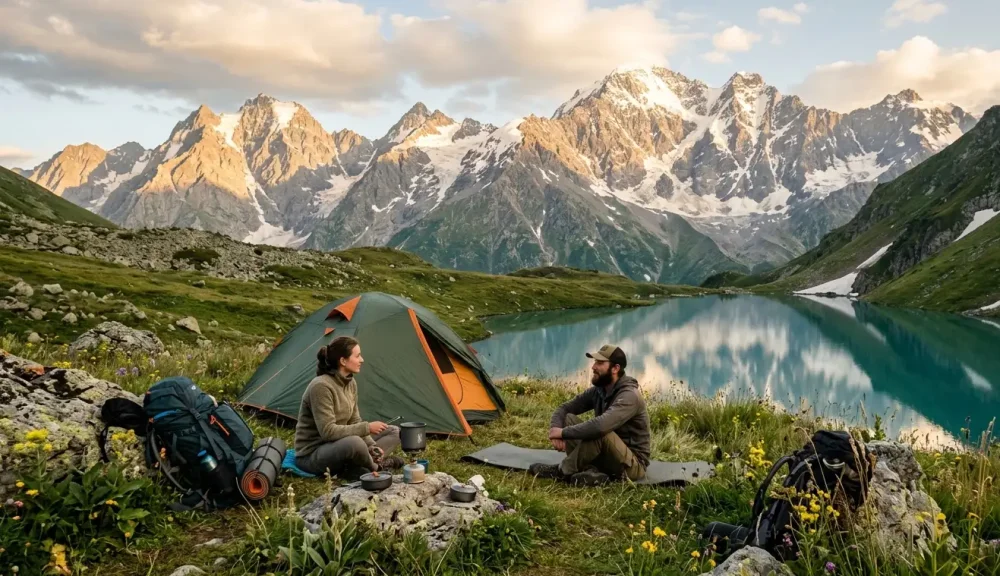
- Explore beyond Tbilisi. The Black Sea city of Batumi offers subtropical vibes; Kutaisi is ideal for travellers wanting a calmer pace; mountain regions like Svaneti and Kazbegi provide stunning scenery but require planning due to limited internet.
Conclusion
Georgia’s combination of visa‑free entry, affordable living, robust infrastructure and rich culture has propelled it to the top of digital‑nomad wish lists. Whether you’re seeking an urban lifestyle with lively nightlife, a coastal retreat by the Black Sea, or mountain solitude in the Caucasus, Georgia offers it all. With a friendly tax regime and modern co‑working spaces like Terminal and Impact Hub Tbilisi, remote workers can focus on their projects while immersing themselves in wine regions, ancient monasteries and warm Georgian hospitality. As the digital‑nomad movement continues to grow in 2026 and beyond, Georgia looks set to remain one of the world’s most welcoming – and rewarding – places to live and work remotely.
Comments