Dmanisi Archaeological Site: From Early Humans to a Medieval Town
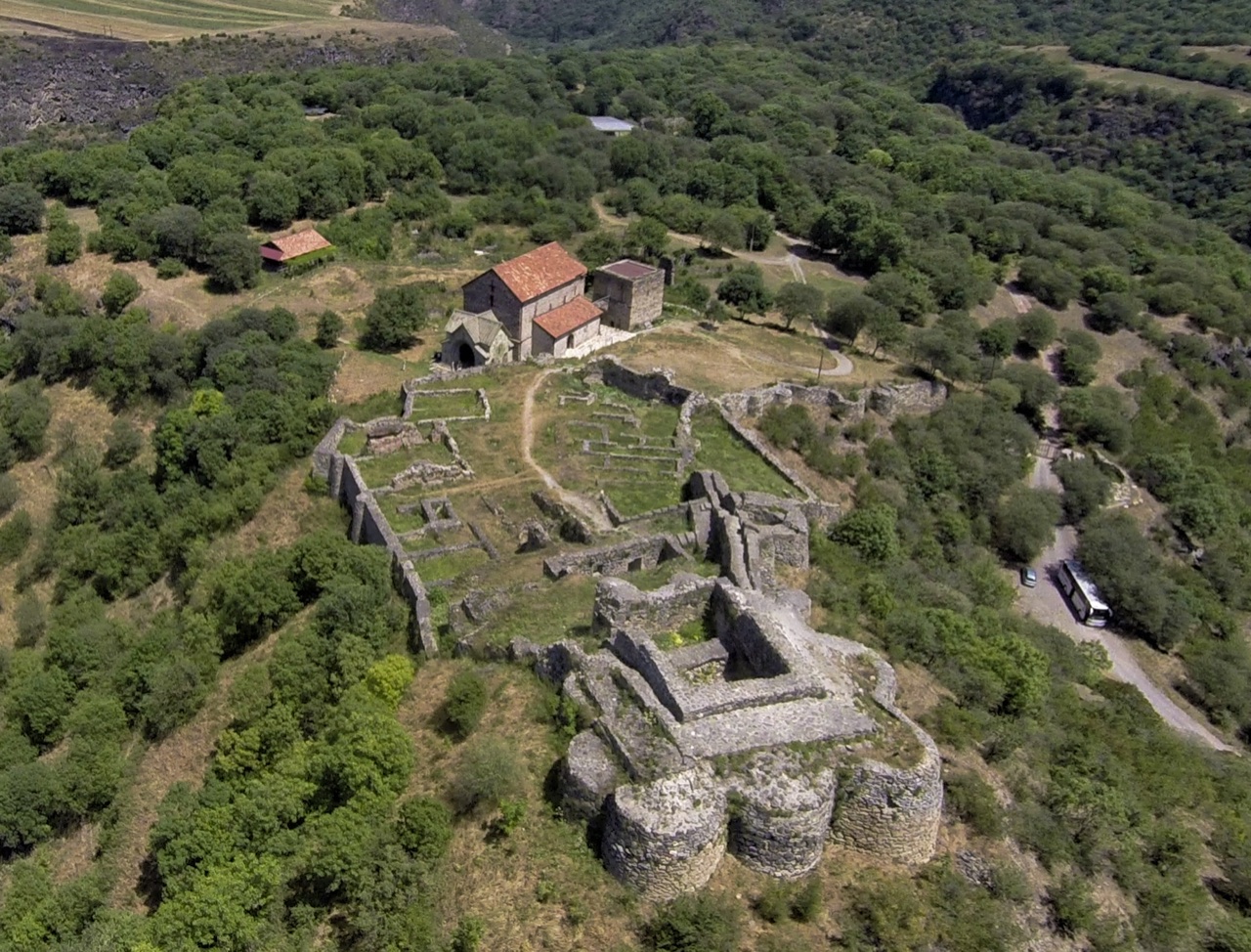
Cover photo by Larry V. Dumlao · CC BY-SA 4.0.

Visit the Dmanisi Museum-Reserve in Kvemo Kartli to see where early human fossils were discovered and walk through the remains of a medieval town.
Two Visits in One Landscape
The stone walls and church are the easiest features to see at Dmanisi, but the site is also famous for a much older discovery. Early human remains, animal fossils and stone tools found here date back roughly 1.8 million years. The two stories share the same ground. Giving each its own part of the visit makes the difference in scale easier to grasp.
Start with the Archaeology
If the field museum is open, begin there. Look for explanations of where the fossils and tools were found in the deposits. The positions of the objects help researchers put the discoveries in context. Travellers who want to see original material on display can pair the site with a separate visit to the Georgian National Museum in Tbilisi and check the current exhibition before going.
Walk the Medieval Town
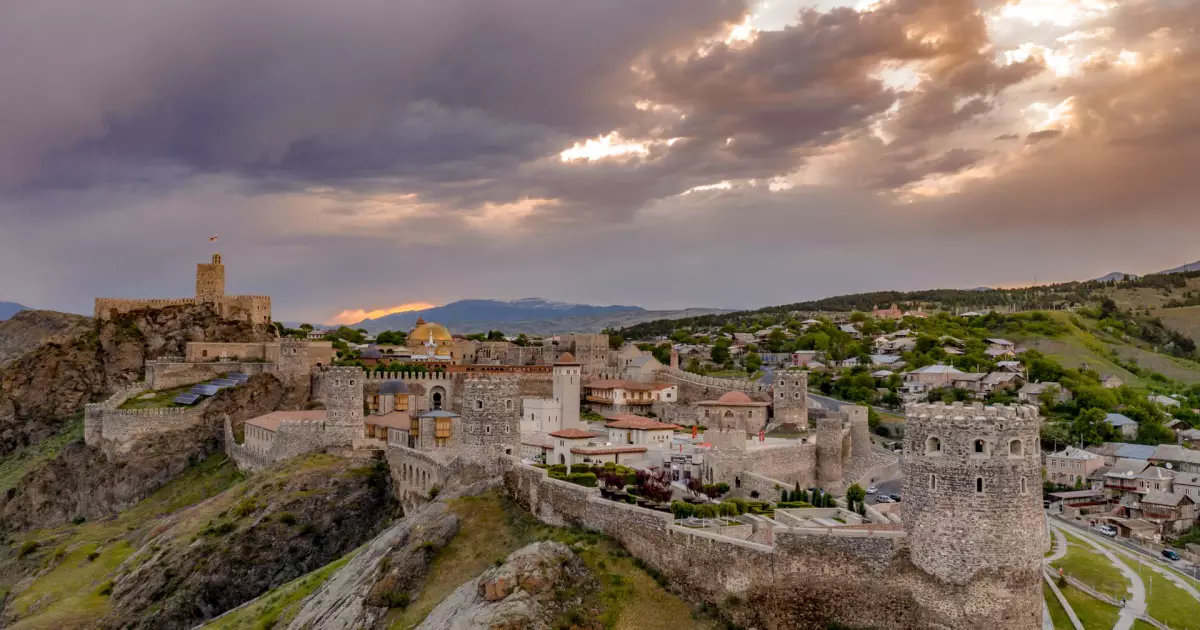
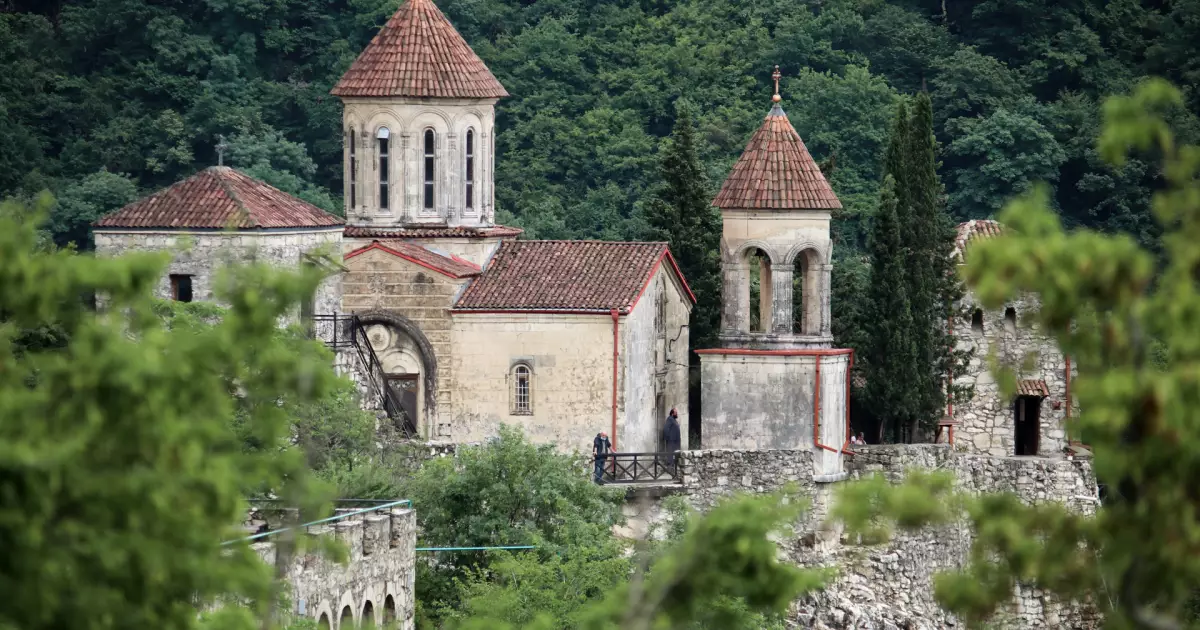
Allow a second stretch of time for the visible town remains. The church, walls and traces of buildings help explain what the site became long after the prehistoric period. Look at how the settlement uses the promontory above the valleys. The terrain connects the sections you see from the path and gives a sense of why people could defend and inhabit this spot.
Set the Map Pin Before Leaving
For a trip from Tbilisi, search for the museum-reserve near Patara Dmanisi. The modern town name on its own can send you elsewhere. If travelling with a driver, agree in advance on time at the reserve and where to meet for the return. Ask about the sections currently open if you especially want to see the archaeological area.
Give Both Parts Enough Time
Leave a generous part of the day for the drive and a walk at the site. Bring water, shoes for uneven ground and a layer for the exposed setting. For a family visit, try one question in each section. What can a fossil tell you about the place it came from? What does a wall tell you about the people who built it? Each gives children a different thing to look for.
Location Map
Dmanisi Museum-Reserve is marked on the map below.
Comments